 by Ecrin Labs
A kitchen-witch or herbal-apothecary look works best when it feels useful first and decorative second. The goal is not to fill every shelf with mysterious bottles; it is to organize everyday tea, spices, dried culinary herbs and small kitchen tools in a way that feels warm, collected and intentional. Amber glass, wooden shelves, handwritten labels and dried botanicals naturally create that old-world atmosphere without making the room difficult to use.
The easiest way to build the look is to choose one small zone rather than redesigning the entire kitchen. A single shelf beside the kettle, a tea corner, a narrow spice rack or a tray of labeled jars is enough to establish the mood. Once the functional pieces are in place, texture does most of the styling: clear glass shows the ingredients, brown bottles add depth, dried leaves soften hard surfaces and warm wood keeps the display from feeling clinical.
Below are 17 separate ideas, numbered one by one so you can save the exact direction you like. Keep anything edible clearly labeled and food-safe, and treat unknown plants, decorative botanicals and essential oils as display items unless you know they are appropriate for culinary use.
1. Build a compact amber-bottle tray
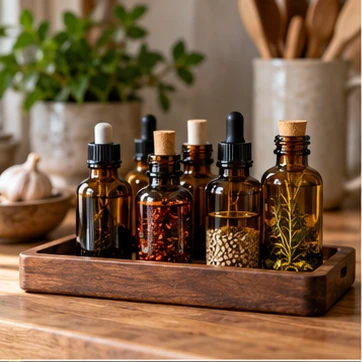
Start with three or four amber bottles on a shallow tray beside a tea or spice area. Brown glass adds depth immediately and makes even a small grouping feel intentional. Keep the tray compact enough to move when you need the counter, and use the bottles only for clearly identified contents so the styling never makes the kitchen harder to use.
2. Add a modest bundle of dried herbs beside the bottles
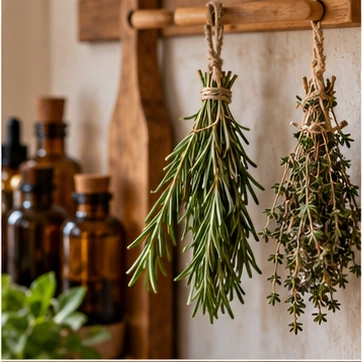
Pair the bottles with one small bundle of dried culinary herbs or decorative botanicals. The point is texture, not volume: a few stems are enough to soften the hard glass and make the grouping feel collected. Keep decorative plants separate from ingredients you intend to eat so the display stays visually interesting and practically safe.
3. Store frequently used herbs in clear glass jars
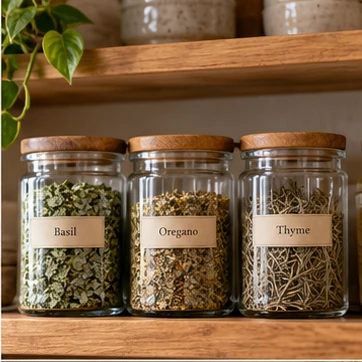
Clear jars are ideal for everyday ingredients because you can see what is inside at a glance. Use matching containers where possible, then let the different colors of bay leaves, tea blends, cinnamon and dried herbs create the variation. A single row on a wooden shelf feels organized while still giving the kitchen a warm, pantry-like character.
4. Mix jar heights instead of making every container identical
A shelf can look too rigid when every jar is exactly the same height. Keep the lids and general style consistent, but mix short, medium and tall containers so the arrangement has rhythm. Put taller jars toward the back or ends and keep the smallest containers where their labels remain easy to read.
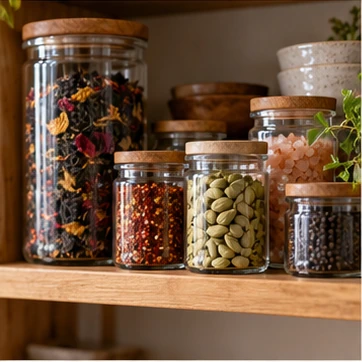
5. Label everyday spices with one consistent style
Labels are what turn attractive jars into a practical system. Choose one label style and use it across the row so the shelf stays easy to scan. Ingredient names should be clear and readable; decorative typography can be subtle. If two spices look similar, a good label matters more than any aesthetic detail.
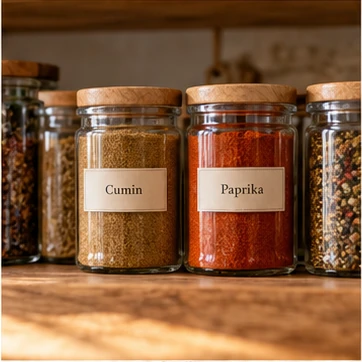
6. Create a second labeled row just for teas and culinary herbs
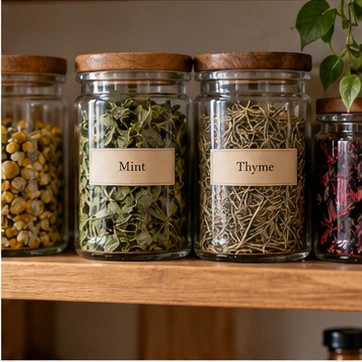
Separate tea and dried culinary herbs from everyday cooking spices instead of mixing everything together. A dedicated row makes the shelf easier to use and gives the setup a more intentional apothecary feel. Keep labels plain enough that someone else in the kitchen can understand the system immediately.
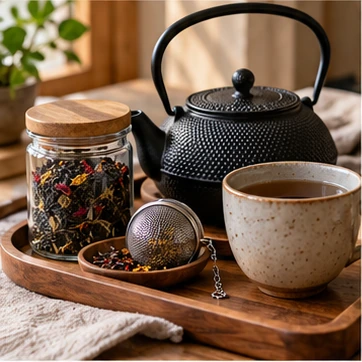
7. Build a loose-leaf tea corner beside the kettle
Tea naturally suits this aesthetic because loose leaves and dried ingredients are already visually interesting. Group only what you actually use: a few glass jars, a cup or teapot and a small spoon. Keeping the station close to the kettle turns the styling into a real daily routine instead of a decorative setup that never gets touched.
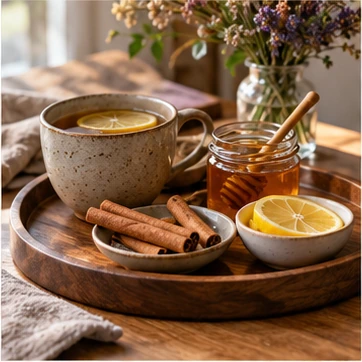
8. Add honey, cinnamon or lemon as practical tea companions
Once the basic tea station is working, add one or two useful companions such as honey, cinnamon or fresh lemon. Avoid filling the area with props. A small number of ingredients keeps the counter easy to clean and gives the station a warm ritual-like feeling without becoming cluttered.
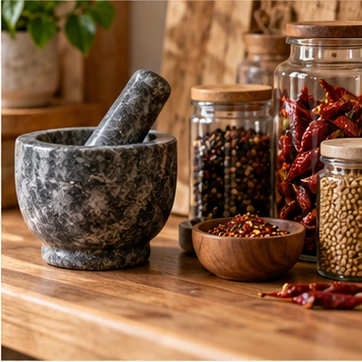
9. Keep a mortar and pestle within easy reach
A mortar and pestle is one of the rare objects that fits the old-world mood and still earns its place in a modern kitchen. Use it for culinary herbs, pepper, seeds or spice blends, then keep it near the ingredients you grind most often. Stone, ceramic and wood all work; choose the material that best fits the shelf around it.
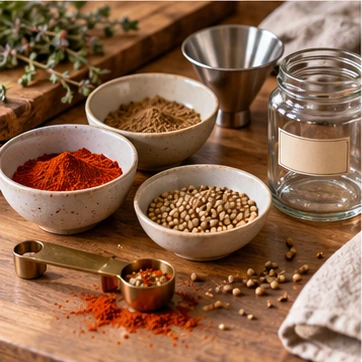
10. Make a small culinary spice-blend station
Use one corner for the ingredients you regularly combine into homemade seasoning blends. A few jars of pepper, seeds and dried culinary herbs are enough. Keep food-safe ingredients clearly separated from purely decorative petals or botanicals, and store finished blends in a labeled container so you know exactly what is inside.
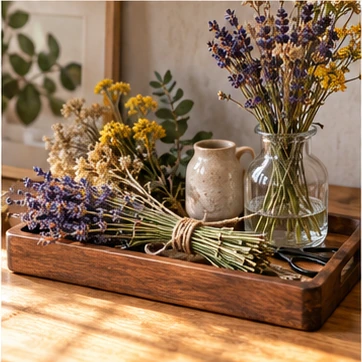
11. Contain dried botanicals on one dedicated tray
Loose dried flowers look atmospheric in photographs but are easier to manage when they live on one tray. The tray gives the display a boundary, catches small pieces and lets you move everything quickly when you need worktop space. This is especially useful in a working kitchen where cleaning matters as much as appearance.
12. Keep decorative botanicals separate from edible ingredients
Not every beautiful dried plant belongs in food. Give decorative botanicals their own jar, tray or shelf and keep culinary ingredients in clearly labeled food-safe containers. The visual separation helps preserve the apothecary style while reducing the chance that someone mistakes a decorative item for something intended for cooking or tea.
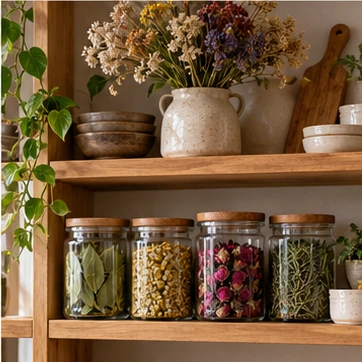
13. Turn one shelf into the old-world focal point
Instead of spreading jars across the whole room, let one concentrated shelf carry most of the visual weight. A dense row of bottles, jars and herbs can create the mood immediately while the rest of the kitchen stays simple. This makes the room easier to live with and prevents the aesthetic from becoming clutter.
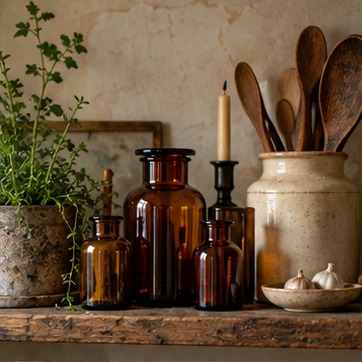
14. Warm the display with wood and soft lighting
Wood shelves and warm light make clear glass, amber bottles and dried ingredients feel richer. You do not need dramatic lighting; even a nearby warm lamp or under-shelf light can soften the display. Keep flames and heat sources safely away from dried botanicals, paper labels and other combustible materials.
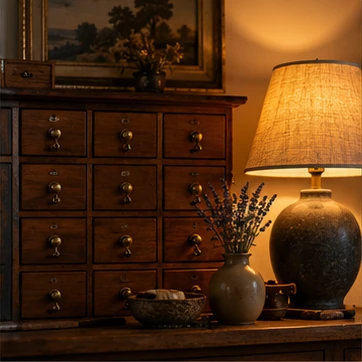
15. Build a labeled pantry row for ingredients you use every week
Choose the spices, teas and dried culinary herbs you reach for most and give them the easiest-to-access shelf. Using food-safe jars with clear labels turns the display into a real pantry system. Add a refill date when useful, especially for ingredients you buy in bulk or tend to forget.
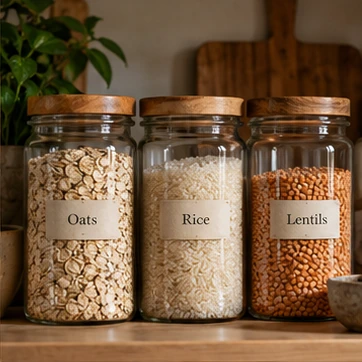
16. Separate tea, culinary herbs and spices into simple zones
A small pantry looks calmer when each category has a home. Put tea together, cooking spices together and dried culinary herbs together rather than arranging only by color. The result still looks curated, but the organization makes sense when you are actually cooking or making a drink.
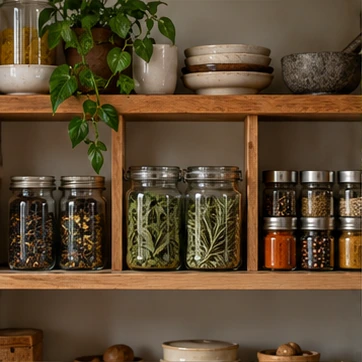
17. Leave breathing room for refills and everyday use
Do not fill every inch of the shelf. Leave one visible gap for a new jar, a refill or the container you are actively using. That negative space keeps the arrangement from looking like a prop shelf and makes it easier to maintain over time. The goal is a magical-looking kitchen that still behaves like a real kitchen.
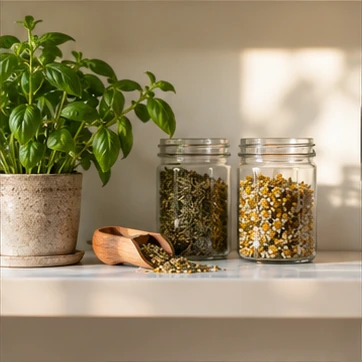
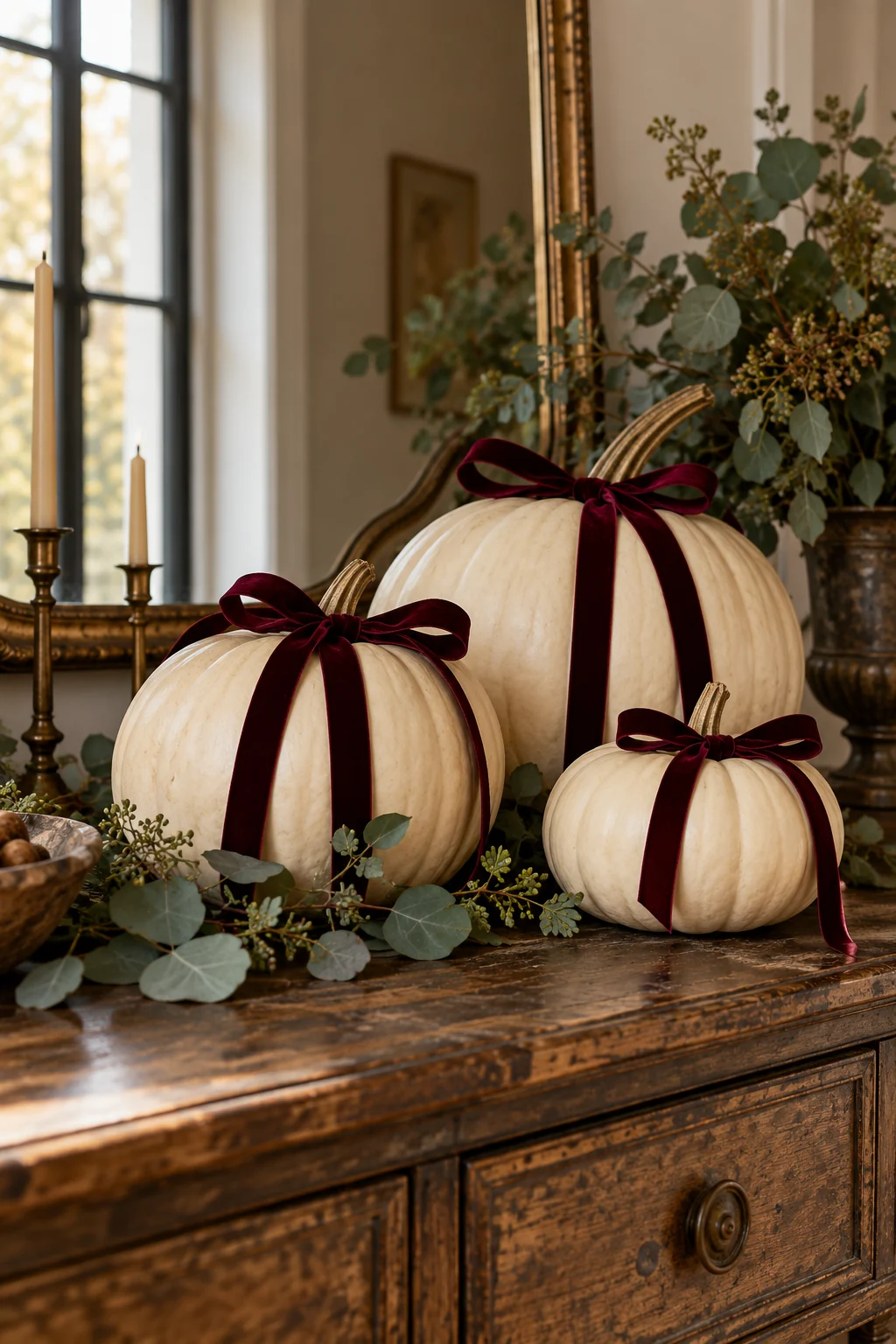 12 No-Carve Pumpkin Decorating Ideas for a Softer Fall Display
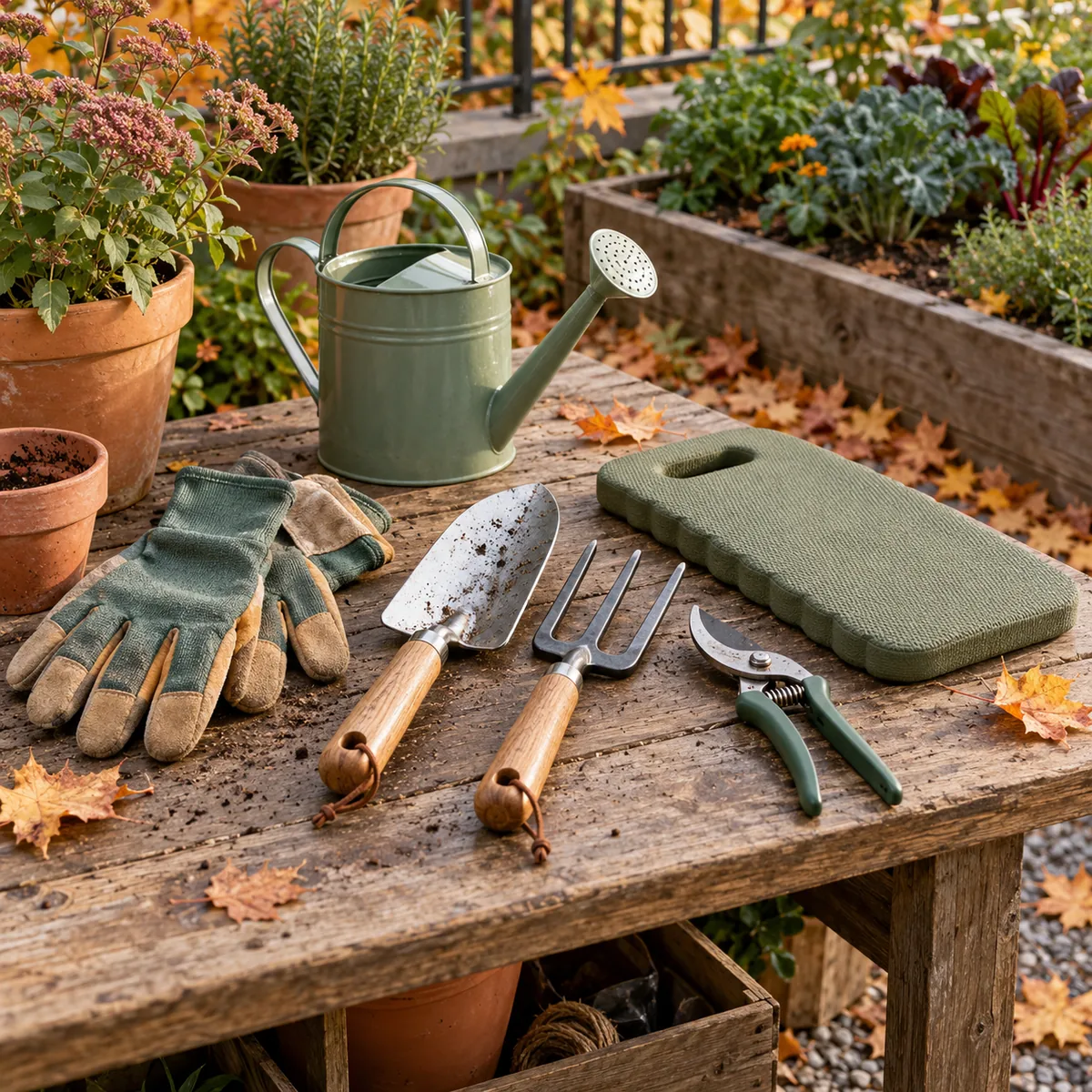 Essential Garden Tools for a Small Fall Garden: A Practical Starter Kit
 12 Minimal Habit Tracker Ideas for a Bullet Journal