 by Ecrin Labs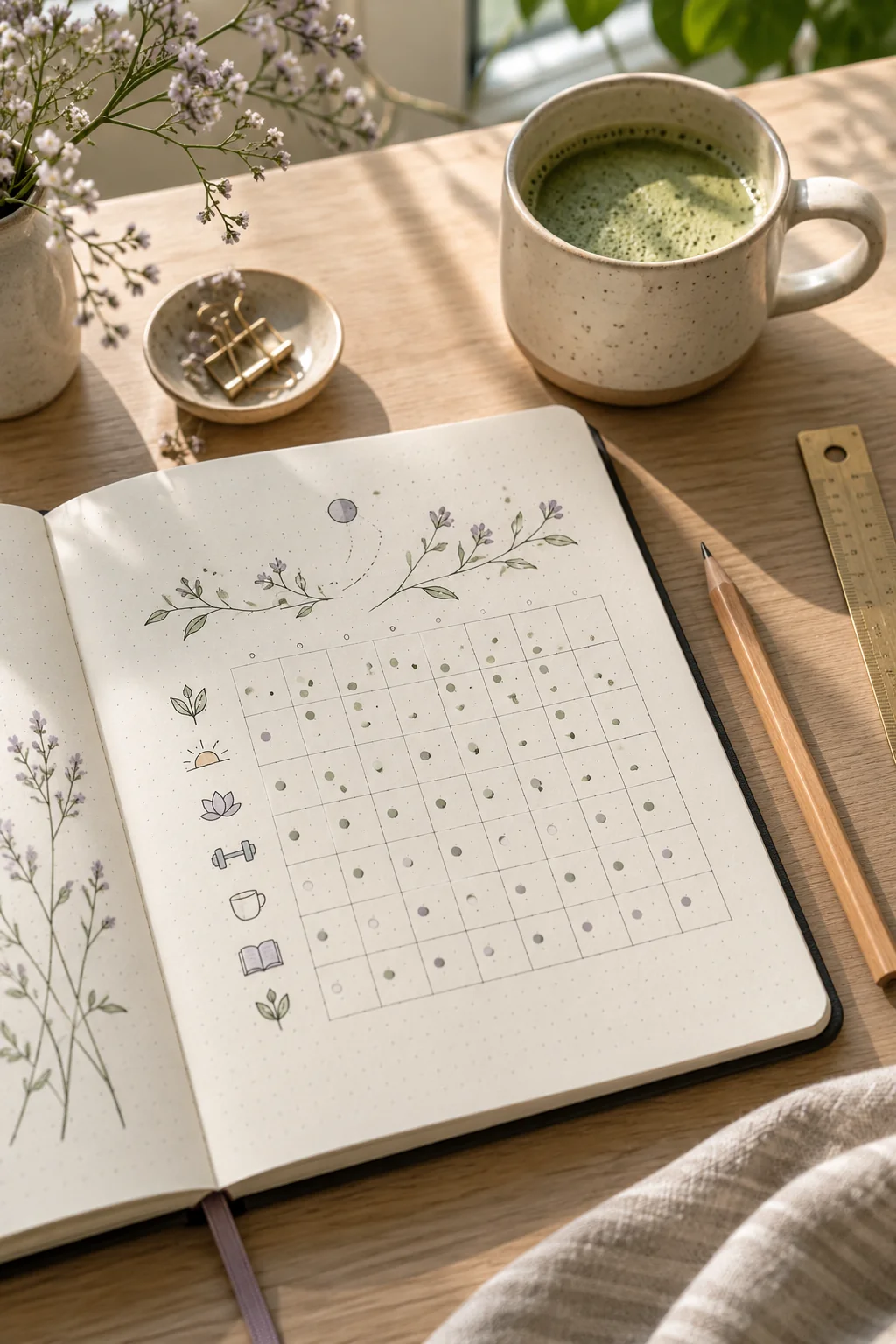
A useful habit tracker is quick to mark and easy to understand when you return to it. You do not need a perfect streak, elaborate lettering or an entire page for each routine. Start with one small action that you want to notice, then choose a layout that gives it just enough room.
These twelve layouts work in a dotted notebook, on plain paper or in a binder. They are organization ideas, not a promise that tracking alone will change a habit.
Set up a page you can actually use
Pick a single observable action, such as reading a few pages or putting away your craft tools. Write a short definition beside the tracker so a mark means the same thing every day. A vague label such as productive is difficult to review fairly.
Use a pencil, ruler and one pen. Count the days before drawing a monthly grid, and leave a small notes area. Choose a dot for completed, a dash for skipped by choice and a blank for unknown; include that key on the page.
Twelve layouts, from the smallest to the most visual
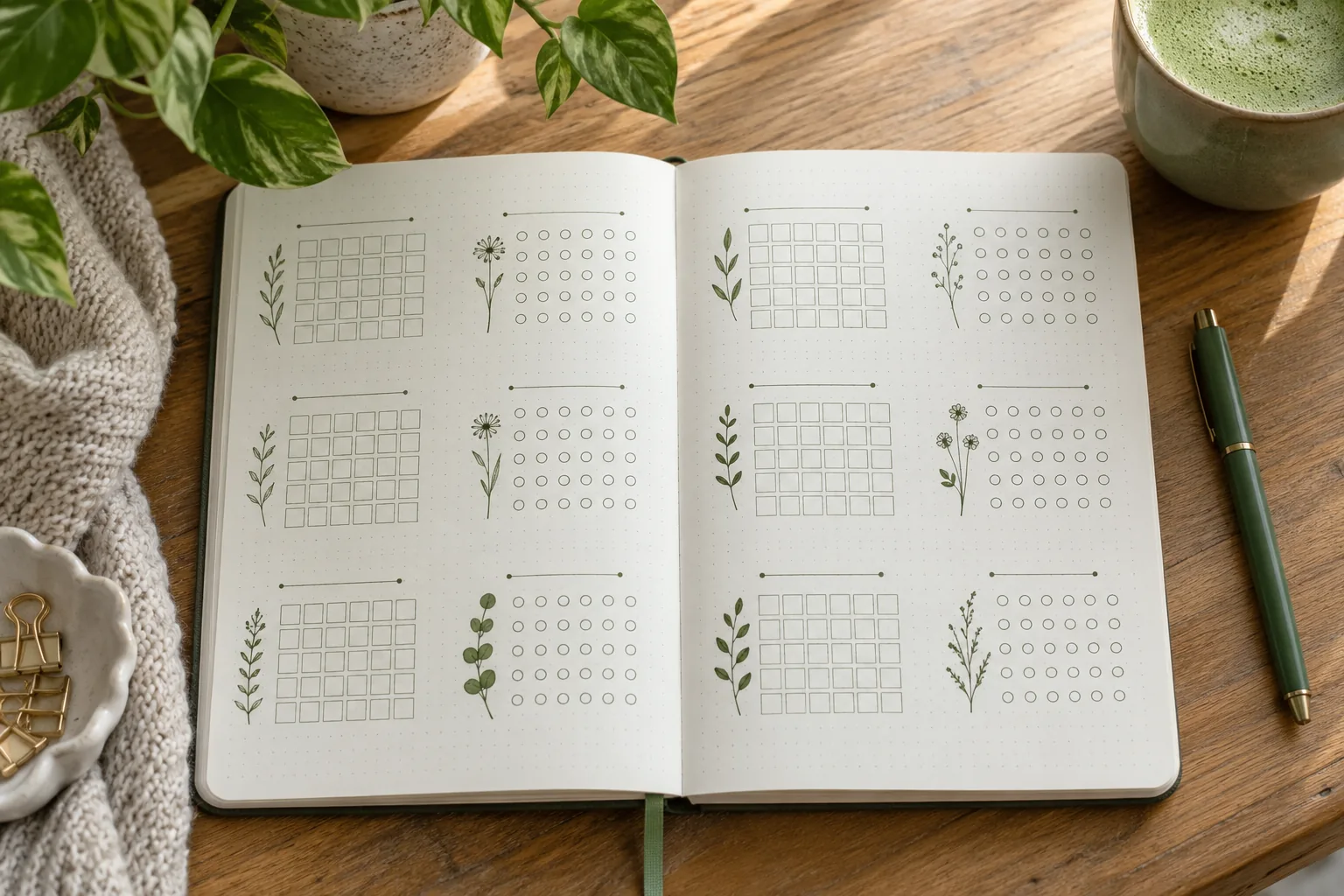
1. Seven-box strip: draw one box for each day of the week. Place it beside your weekly plan so the check-in takes only a moment.
2. One-line monthly row: run the dates across the page and use tiny dots underneath. It suits one action with very little writing.
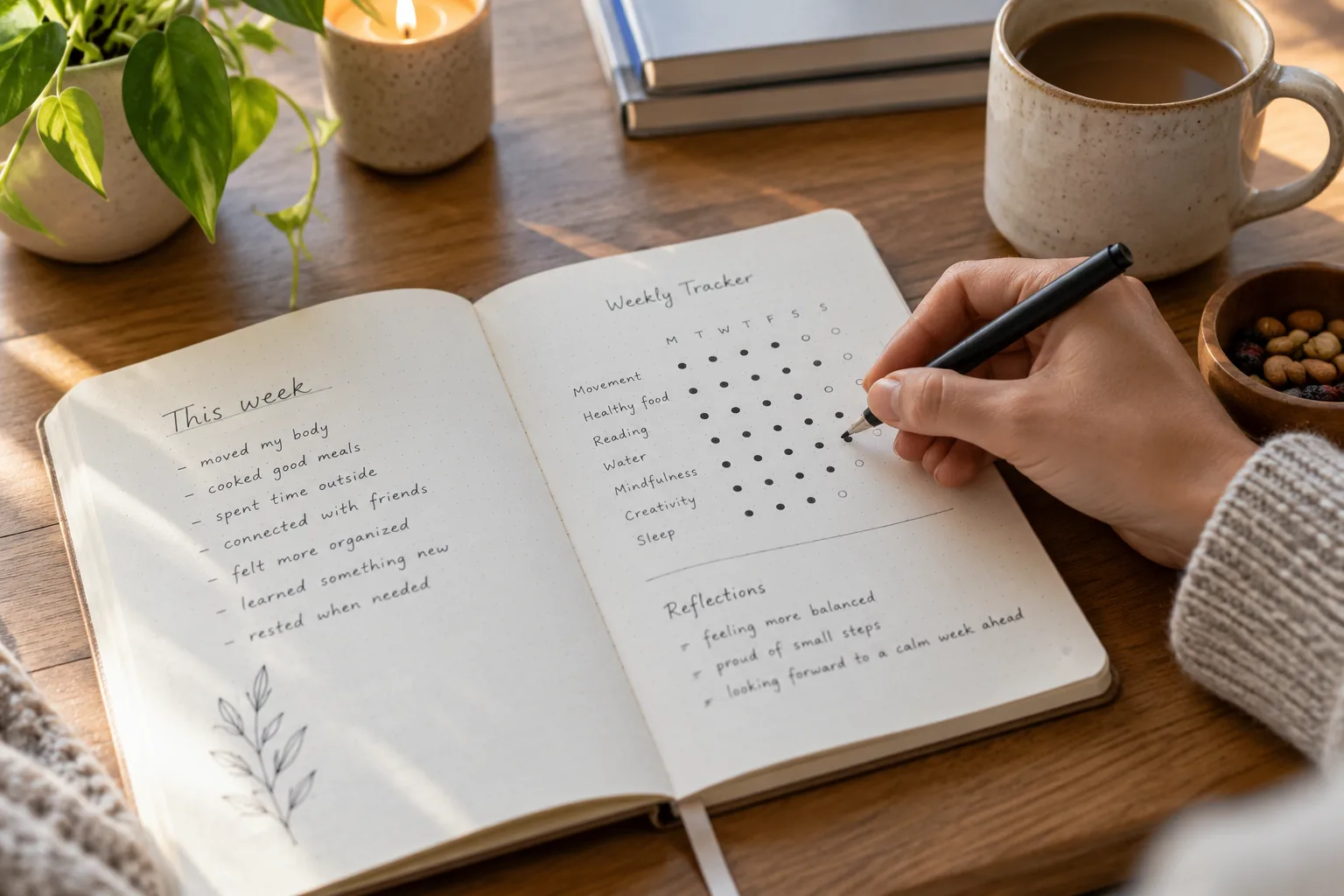
3. Stacked weekly strips: draw four or five weekly rows. Leave a margin for a sentence about what made each week easier.
4. Mini calendar: make a calendar with the correct starting weekday. Shade a cell lightly rather than covering the printed date.
5. Two-habit grid: give two related actions separate rows. For example, sketching and clearing your desk should still receive independent marks.
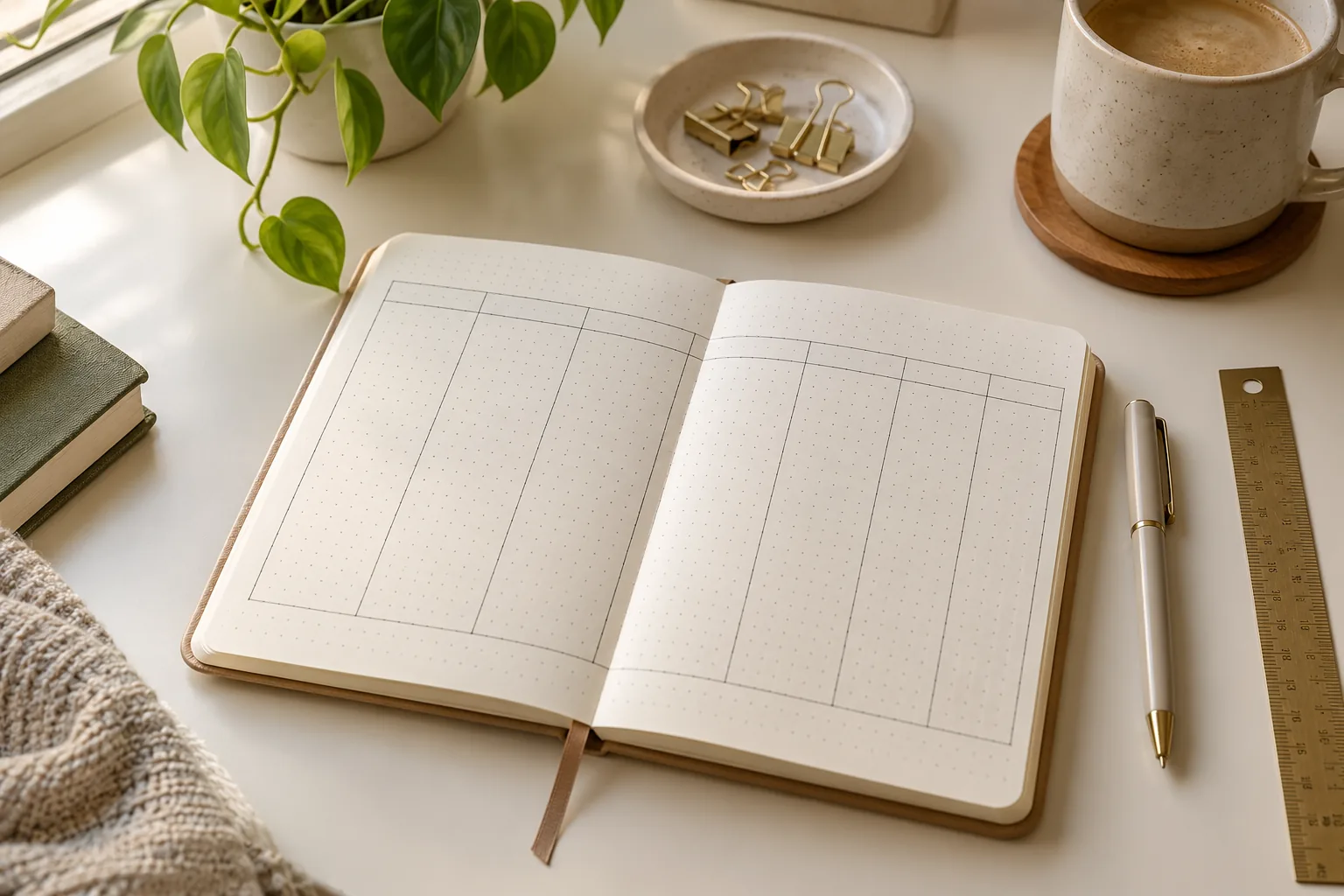
6. Three-column checklist: use columns for date, action and a short note. It makes occasional routines easier to track than a daily streak.
7. Dot path: draw a winding path of numbered circles. Color one circle per check-in, keeping all circles the same size.
8. Weekly tally: use one running count with a stated weekly goal. This suits flexible actions that do not have to happen every day.
9. Reading minutes row: enter a small number rather than a checkmark. Compare it with your own available time, not someone else’s routine.
10. Project-session tracker: mark each time you work on one craft. Add the session’s next step below the row.
11. Gentle restart box: include a space for the next small attempt after a break. It avoids treating a missed day as a ruined page.
12. Monthly reflection pair: place the tracker beside two prompts: what helped, and what should be simpler next month.
Keep the review short
At the end of the week, look for context rather than only counting marks. A routine may be harder on a long workday or easier when the materials are already visible. Write one adjustment, such as leaving the book beside a chair, and try that before adding another habit.
If you stop using the page, reduce the number of tracked actions or switch to a weekly tally. Carry unfinished goals into a fresh layout only when they still matter. The notebook is a tool, not a scorecard.
Frequently Asked Questions
How many habits should I start with?
One or two clearly defined actions keep the first page quick to use.
Do I need a dotted notebook?
No. A ruler and plain paper work for strips, checklists and grids.
What do I do with a missed day?
Use your key consistently and resume at the next date; avoid inventing a mark to repair a streak.
 9 Handmade Ceramic Serving Platter Ideas
 10 Paper Blind Bag Ideas to Make at Home
 15 Reading Journal Layout Ideas for a Personal Book Log