 by Ecrin Labs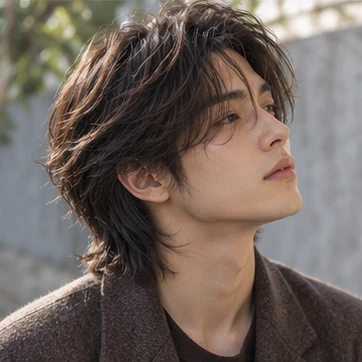
A soft wolf cut keeps the layered shape that makes a wolf cut recognizable, but removes some of the extreme contrast. Instead of a very short crown and a dramatically long back, the transitions are blended, the sides keep more weight and the fringe can fall naturally. The result is easier to wear at work, school or everyday settings while still giving straight, wavy or curly hair more movement.
The haircut works best when the shape is adapted to the hair you already have. Thick hair may need internal weight removed so the crown does not puff out, while fine hair usually benefits from fewer, longer layers. Wavy and curly hair can rely on natural texture; straighter hair often looks better with a light styling cream, sea-salt spray or matte paste rather than a heavy wet-look product.
Below are 23 separate versions, followed by practical barber and styling notes. Save the shapes that match your hair texture and show more than one reference image at your appointment, because the words “wolf cut” can mean very different lengths and levels of layering to different barbers.
1. Start with a soft wavy wolf cut
Keep medium length through the top and back, then use long blended layers so natural waves create the shape. This is the easiest version if your hair already bends or waves on its own because the haircut does most of the styling work. Avoid taking the crown too short; a softer crown keeps the silhouette modern instead of spiky.
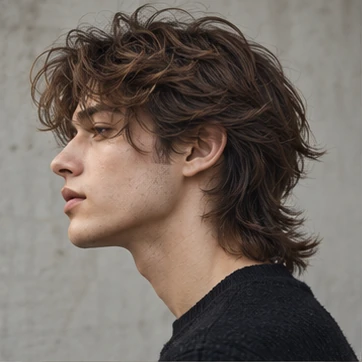
2. Add a curtain fringe instead of a heavy bang
A curtain fringe makes the front feel lighter and gives you more styling options than a solid straight fringe. Ask for face-framing pieces that can split near the middle and blend into the side layers. This works especially well when you want the wolf-cut shape without covering the forehead all day.
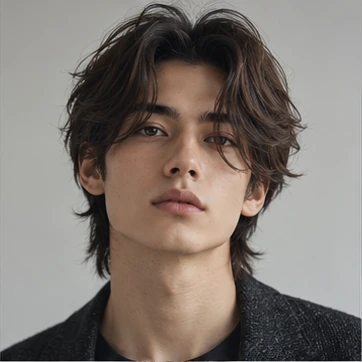
3. Keep the wolf cut short around the ears
For a cleaner version, keep the sides short enough to sit around the ear while leaving more texture on top and a little extra length at the back. The cut still has a layered wolf shape, but it reads closer to a textured crop when viewed from the front. This is easier to maintain if you do not want hair touching the neck.
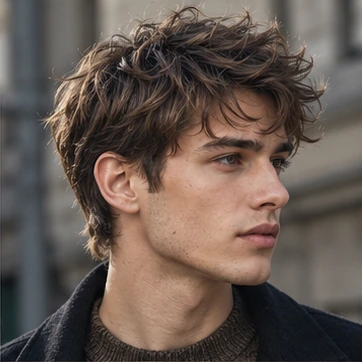
4. Choose a low-volume wolf cut
If your hair gets bulky quickly, ask for movement without a tall crown. Keep the shortest layers longer and remove weight internally instead of stacking short layers on top. The result lies closer to the head and feels more polished while still keeping the broken-up texture through the ends.
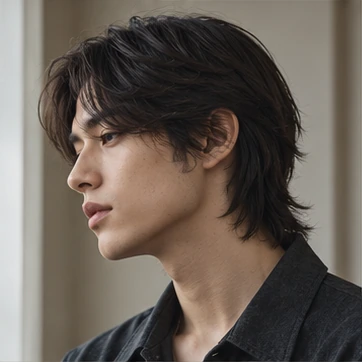
5. Use a textured fringe for a messier front
A textured fringe works when you want the cut to feel casual and slightly undone. The front can be point-cut or lightly razored so it separates into smaller pieces instead of forming one thick line. Style with your fingers and a small amount of matte product rather than combing every strand into place.
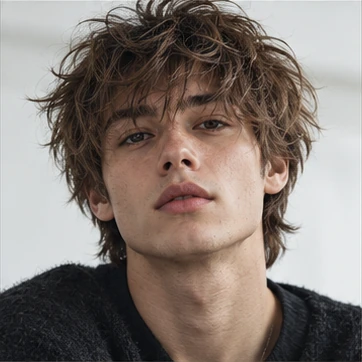
6. Try a center-part wolf cut
A defined center part shifts attention away from the mullet influence and toward face-framing layers. Keep the front long enough to sweep away from the face and let the back remain only slightly longer than the sides. This version looks especially balanced when the hair has a soft bend rather than a sharp curl.
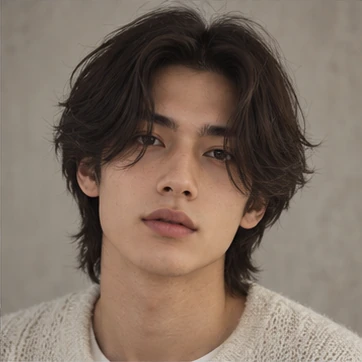
7. Use an off-center part for a less symmetrical shape
If a strict center part feels too deliberate, shift it slightly to one side. The uneven fall gives the layers more movement and can make fine or flat hair look less controlled. Keep the fringe long enough that it can change sides without exposing a hard part line.
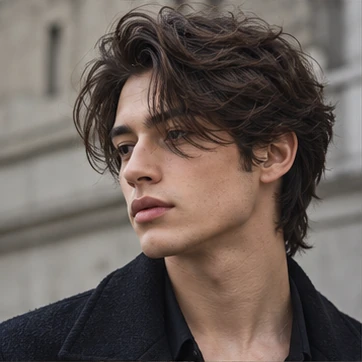
8. Keep only a subtle mullet length in the back
A soft wolf cut does not need a dramatic tail. Leave the back one step longer than the sides, then blend the difference with layers so the profile looks intentional from every angle. This is a good choice if you like the wolf-cut silhouette but do not want a retro mullet effect.
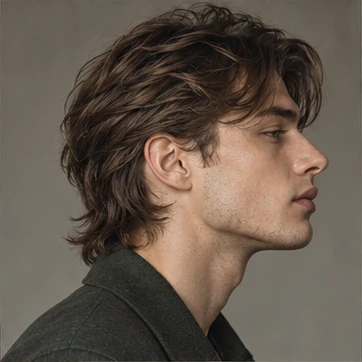
9. Let the back grow longer for a stronger wolf shape
If you want more contrast, keep the neckline longer while the sides and crown stay more layered. The key is making the transition gradual enough that the back looks connected to the haircut rather than attached to it. This version photographs well from the side and back because the shape is more obvious.
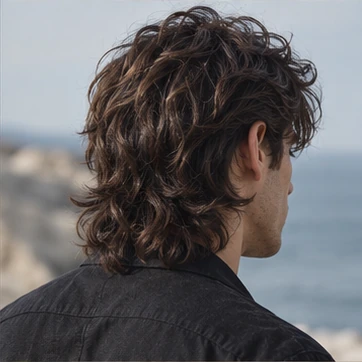
10. Taper the sideburn area but keep the layers above it
A light taper around the sideburns can clean up the outline without turning the haircut into a fade. Keep the hair above the taper long enough to connect with the crown and fringe. This gives you a sharper edge around the face while preserving the softer layered body of the cut.
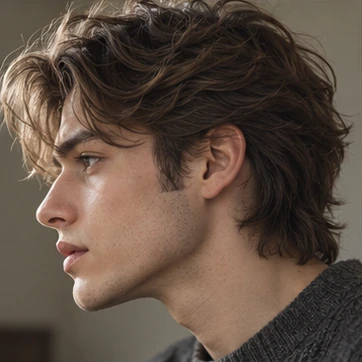
11. Keep fuller sides for a true soft shape
Not every wolf cut needs tight sides. Leaving more weight over the temples and ears makes the haircut feel less aggressive and can balance a longer face. Ask for scissors rather than clippers through most of the sides if you want the silhouette to stay soft and connected.
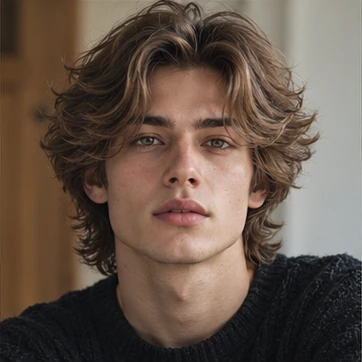
12. Use natural curls as the main texture
Curly hair can create the layered wolf shape with very little product. Keep enough length in each layer for the curl pattern to form fully, especially around the crown. Cutting curls too short at the top can make the shape much rounder than expected, so conservative layering is usually easier to control.
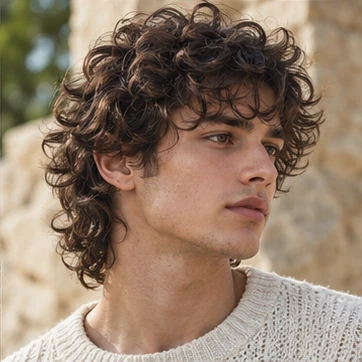
13. Let loose waves fall over the forehead
Instead of opening the fringe, let longer waves fall forward and separate naturally. This creates a moodier version of the soft wolf cut and works well with medium-density hair. Keep the ends light enough to move, but avoid thinning the fringe so much that it looks stringy.
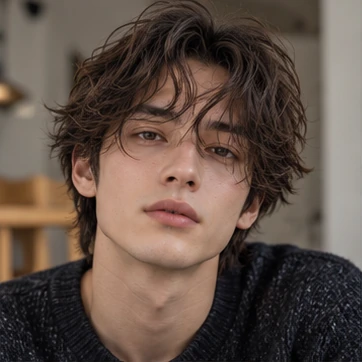
14. Add razored ends to straighter hair
Straight hair can make wolf-cut layers look very geometric if every end is blunt. Light razor work or point cutting can break up the perimeter and create softer movement. The goal is texture at the ends, not excessive thinning through the middle of the hair.
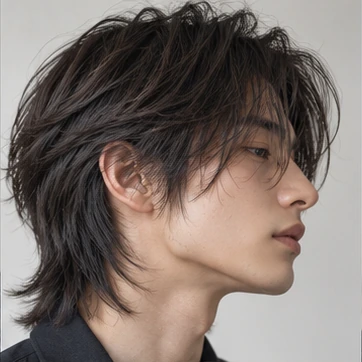
15. Debulk thick hair through the interior
Thick hair often needs weight removed inside the haircut rather than more short layers on the surface. Ask your barber or stylist to preserve the visible length while reducing bulk where the hair stacks up. This keeps the cut from becoming triangular or overly wide at the sides.
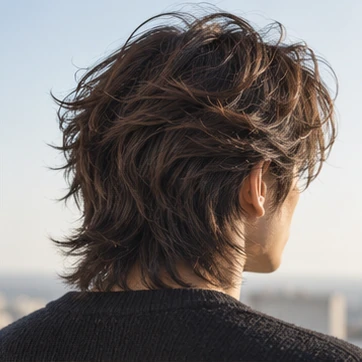
16. Keep longer layers if your hair is fine
Fine hair can lose density when a wolf cut is over-layered. Use fewer, longer layers and keep the perimeter stronger so the ends still look full. A small amount of crown lift is enough; the haircut should create movement without making the scalp more visible.
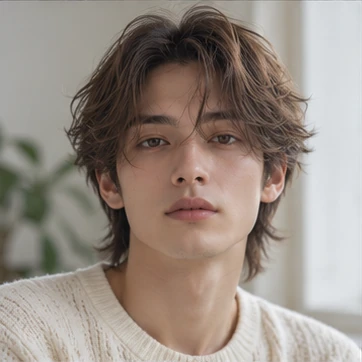
17. Grow the fringe to eyebrow length
An eyebrow-length fringe gives you enough hair to wear it forward, split it or sweep it to one side. It also connects naturally into cheekbone-length side layers. This is one of the most flexible lengths if you are not sure whether you want a curtain fringe or a messier textured front.
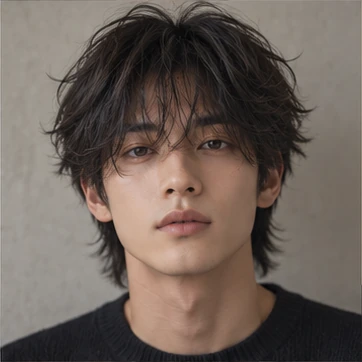
18. Pair the cut with light facial hair
A short beard or stubble can balance a soft layered haircut without competing with it. Keep the beard outline clean if the hair itself is intentionally messy; that contrast makes the overall grooming look deliberate. If both hair and beard are very unstructured, the result can feel heavier than the haircut alone.
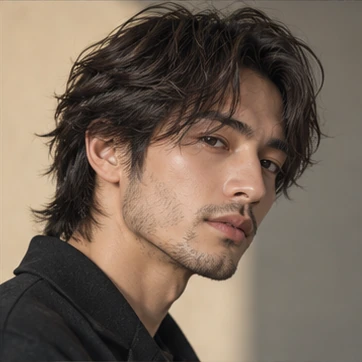
19. Keep the finish natural instead of shiny
Soft wolf cuts usually look better when individual strands can separate and move. Use a lightweight cream, leave-in conditioner or matte paste instead of a high-shine gel. Start with less product than you think you need and add only where the hair needs control.
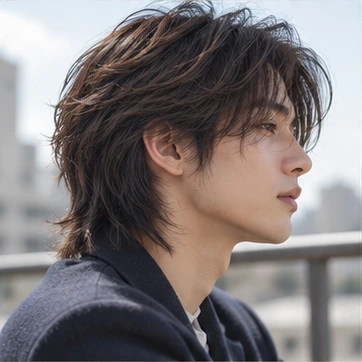
20. Use matte paste only on the ends
If you want more definition, warm a tiny amount of matte paste between your hands and pinch it into selected ends around the fringe, crown and back. Avoid coating the roots. The idea is to emphasize a few pieces, not freeze the entire haircut into place.
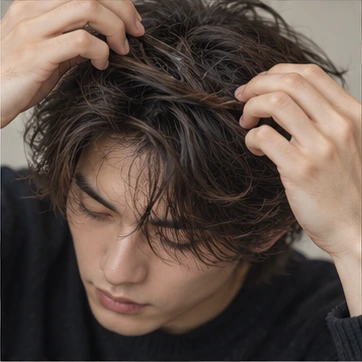
21. Blow-dry the crown with low lift
You do not need dramatic volume to show the wolf shape. Blow-dry the crown upward for a few seconds, then direct it back down with your fingers so the roots have a little memory without standing tall. Finish the fringe in the direction you actually plan to wear it.
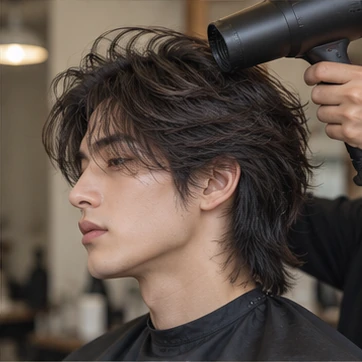
22. Choose a grow-out-friendly version
If you do not want frequent trims, start with blended layers and avoid extremely short sections at the crown. As the haircut grows, the difference between layers will become smaller rather than awkward. A soft wolf cut can transition into ordinary medium-length layered hair with only minor cleanups around the ears and neckline.
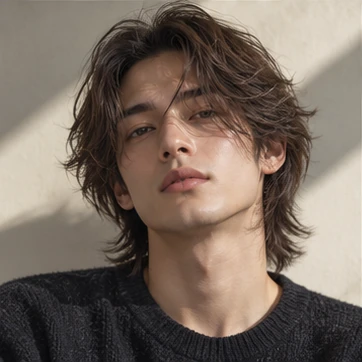
23. Show your barber the exact softness you want
Instead of asking only for a “wolf cut,” explain the parts you want to keep soft: medium crown length, connected sides, a fringe you can move, and only moderate extra length in the back. Then show reference photos from the front and side. The biggest difference between a soft wolf cut and a dramatic one is usually how short the crown is and how disconnected the back becomes.
If you are unsure, ask for a conservative first version. You can always remove more weight or shorten the crown at a later appointment, but rebuilding length takes time.
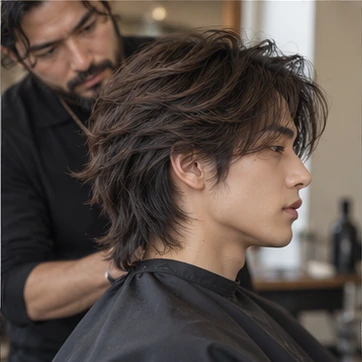
Choose the structure before the styling product
A soft wolf cut relies on a layered silhouette and retained length through the back. If you prefer a longer top above distinctly shorter sides, compare the two-block guide below before booking. If the reference depends on waves you do not naturally have, discuss whether temporary styling or a professional texture consultation is appropriate; the cut alone will not create that texture.
Bring front, side and back references and explain how much time you will spend styling. Ask the stylist to check the crown and fringe in their natural fall. For daily finishing, use the clay, wax and pomade comparison below to choose the amount of sheen and movement you want rather than assuming every layered haircut needs the same product.
Frequently Asked Questions
What is a soft wolf cut for men?
A soft wolf cut is a blended version of the wolf haircut with layered texture, some extra length toward the back and fewer extreme differences between the crown, sides and neckline.
What should I ask my barber for if I want a soft wolf cut?
Ask for medium-length blended layers, movement at the crown, a movable fringe and only moderate extra length in the back. Show front and side reference photos and say that you do not want the crown cut too short or the back heavily disconnected.
Does a wolf cut work on straight hair?
Yes. Straight hair can show the layered shape clearly, but it often benefits from point-cut or lightly razored ends and a small amount of matte styling product so the layers do not look too blunt.
How often does a soft wolf cut need trimming?
The exact schedule depends on hair growth and how sharp you want the outline to stay. A blended version generally grows out more smoothly than a highly disconnected wolf cut, so many people can simply tidy the fringe, ears and neckline between larger reshaping appointments.
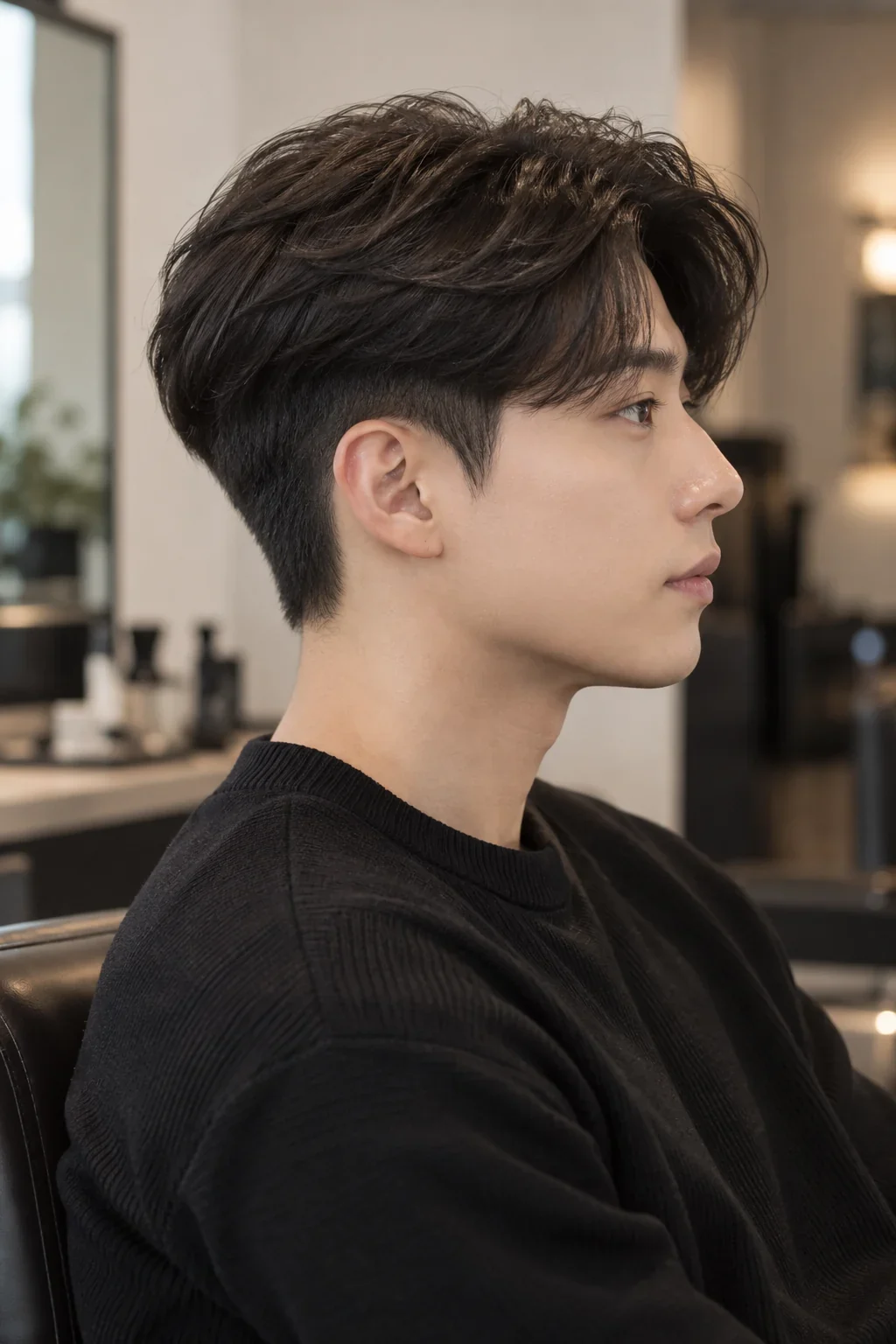 Korean Two-Block Haircut: Straight and Wavy Hair Guide
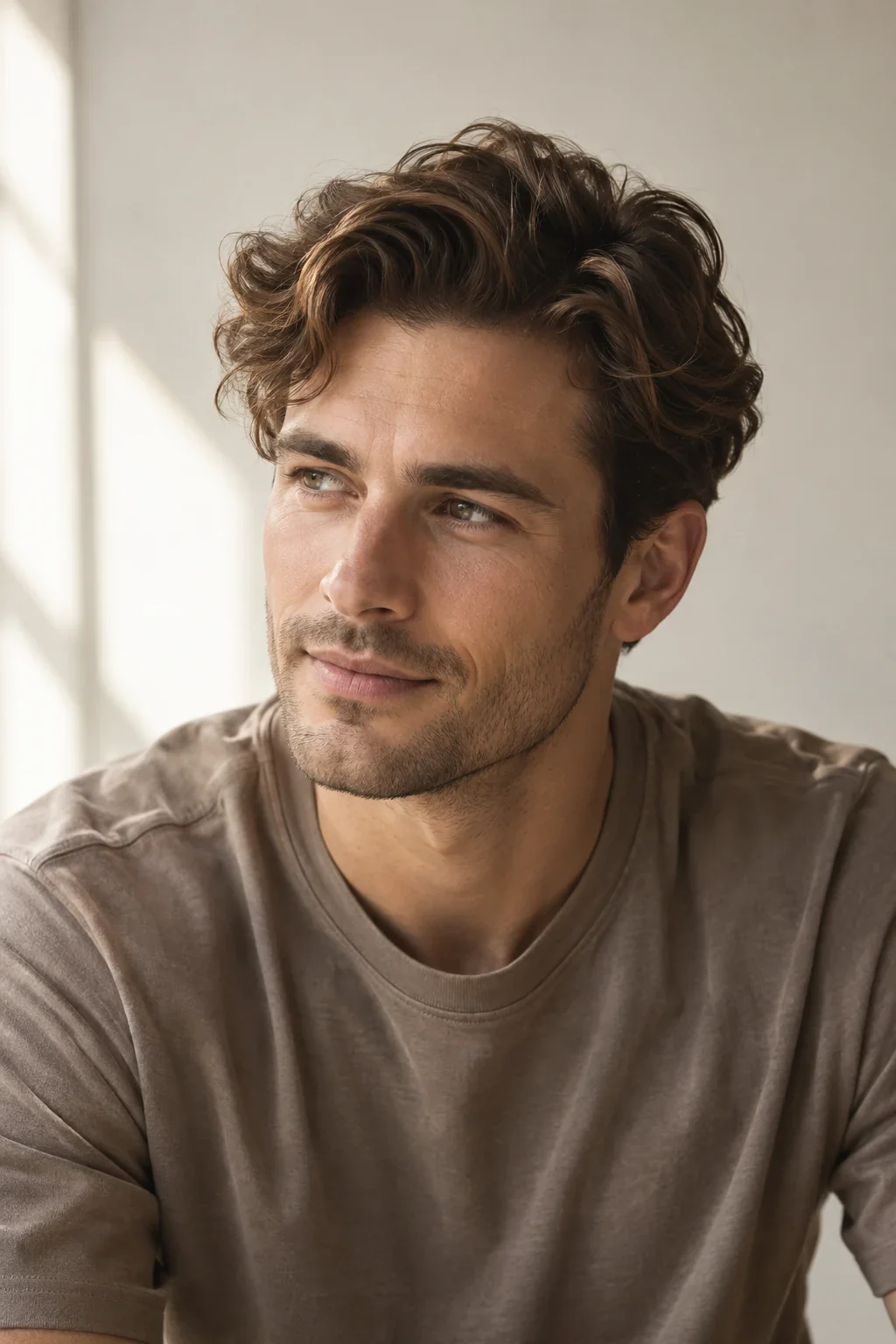 Loose Wavy Perm for Men: A Consultation and Styling Guide
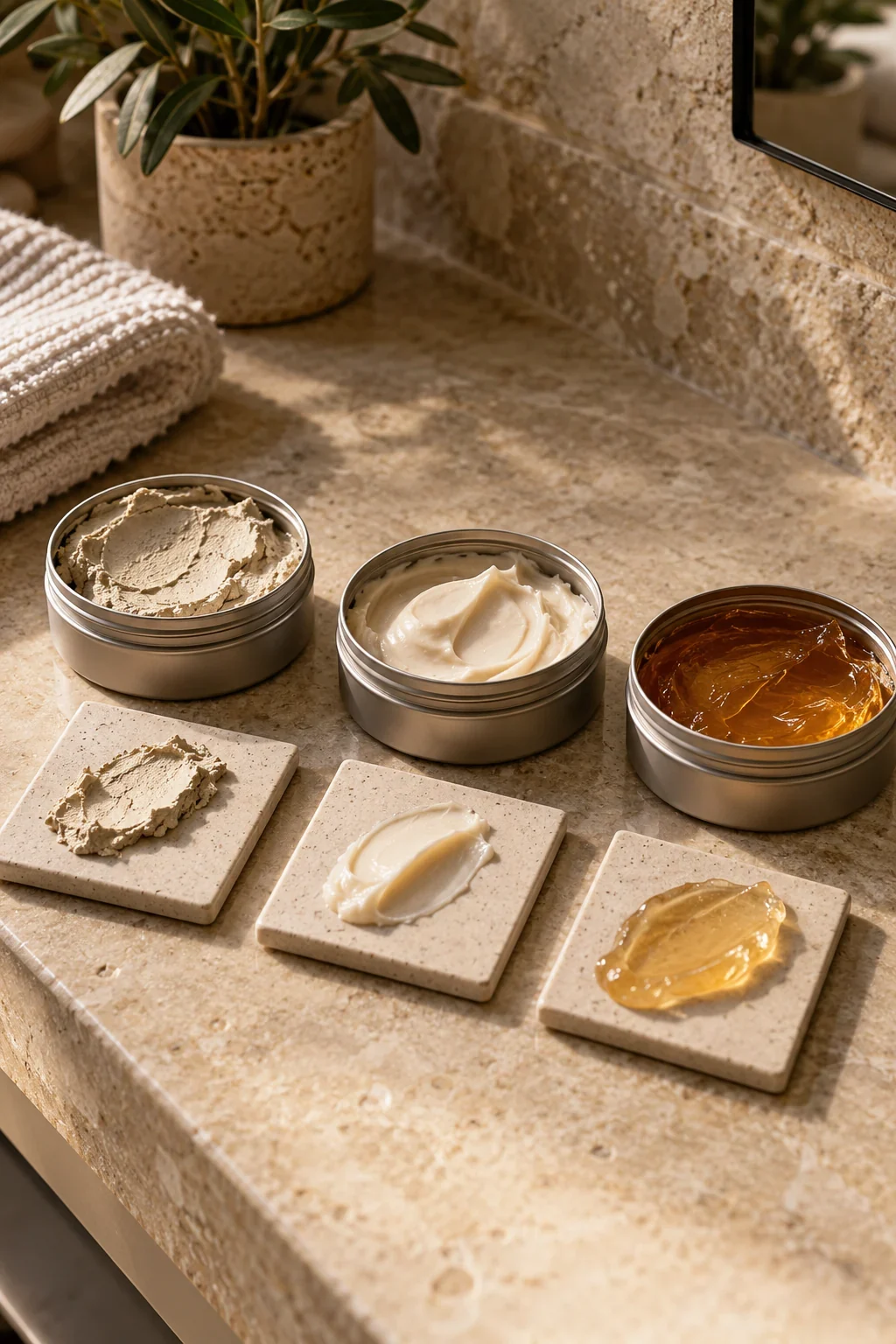 Clay vs Wax vs Pomade: Choose Your Hair Styling Finish