 by Ecrin Labs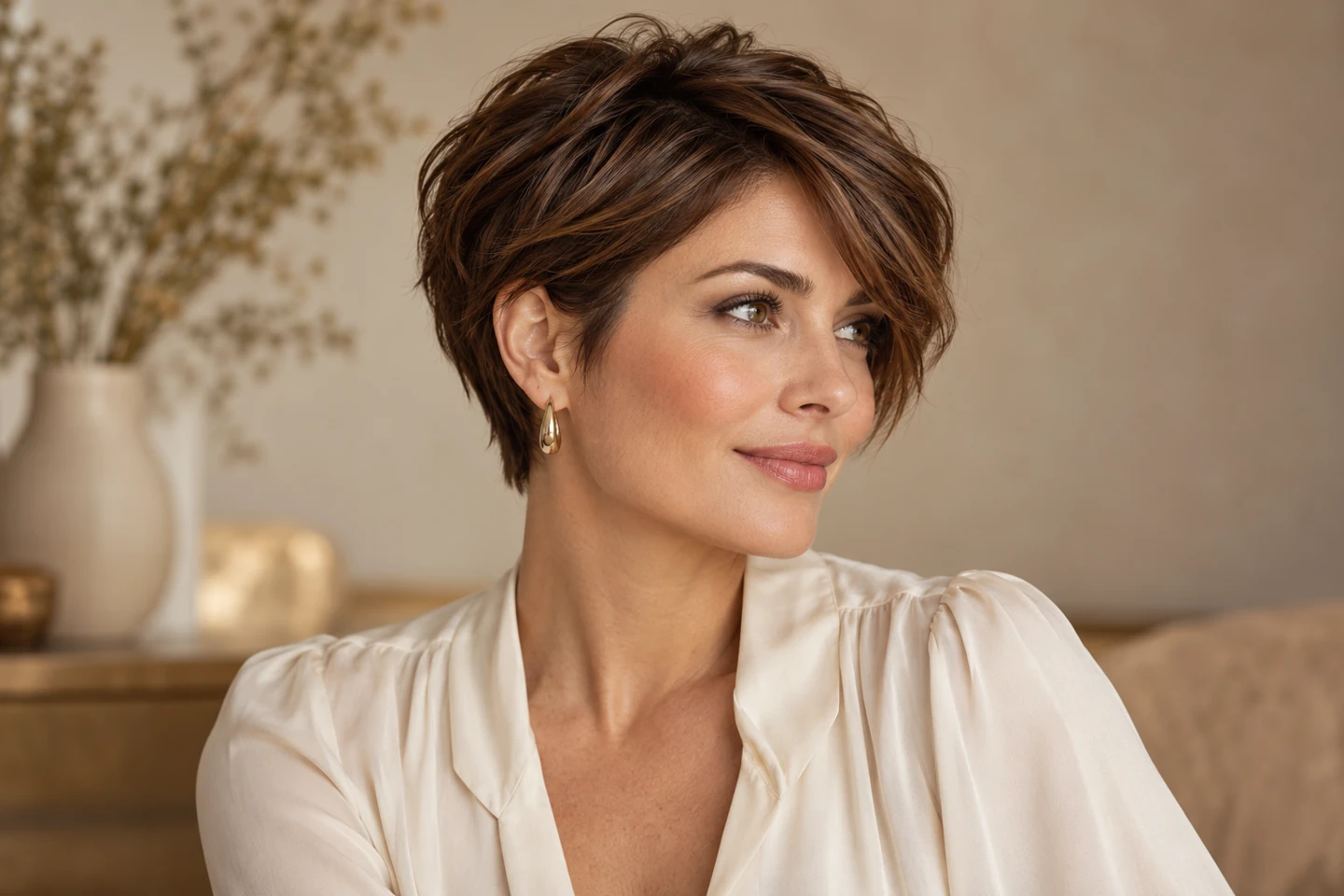
A pixie haircut is a family of shapes rather than one fixed length. The balance between the fringe, crown, ears and nape changes how the cut feels: soft and airy, closely sculpted, or long enough to tuck behind an ear. A useful reference shows the silhouette you want and leaves room for your stylist to adapt it to your actual hair.
The examples below are original AI-generated styling illustrations, not salon before-and-after photographs. Use them to explain preferences rather than to expect an identical result. At your consultation, discuss your growth patterns, how much styling you enjoy and whether you want the ears or nape exposed. These details matter more than a face-shape rule.
1. Soft side-swept pixie
A longer fringe swept across the forehead gives a short cut a gentle direction without hiding its shape. Ask for a blended transition from the fringe into the sides so the front does not look disconnected when you brush it back. This is especially useful when you want a short nape but still enjoy movement around the face.
Check which way your hair naturally falls before choosing the part. A strong cowlick can make a reference look very different on you. Try a small amount of lightweight styling product through the ends, then adjust the fringe with your fingers instead of pressing it flat.
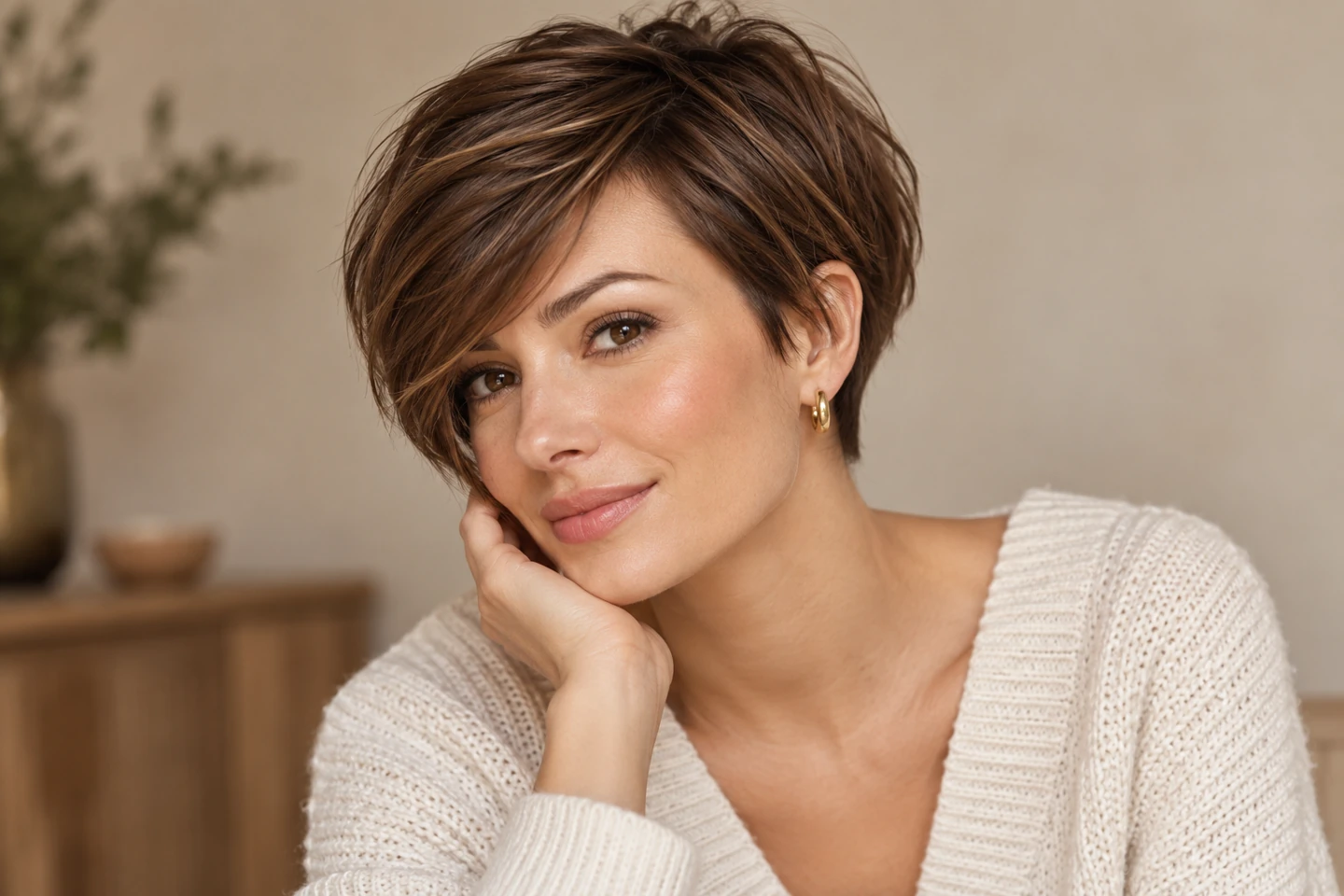
2. Airy pixie for fine hair
Fine hair can look delicate and intentional in a pixie when the outline stays clear. Ask how much length should remain at the crown before committing to heavy texturizing. Removing too much weight can make the ends appear wispy rather than fuller, particularly around a fringe that already separates easily.
A slightly lifted top and neat sides create contrast without requiring a large amount of hair. Keep product application light and away from the roots at first. Bring a picture of your hair on a normal day so the stylist can see the density and movement you are working with.

3. Rounded pixie for thick hair
A rounded crown can turn thick hair into a controlled, softly sculpted shape. The aim is to manage internal weight while preserving an attractive outer silhouette. Ask the stylist to explain where the hair needs room to move and where it tends to expand; thinning every area equally may not give the result you want.
View the cut from the side as well as the front. A shape that feels balanced around the cheekbones can look bulky at the back if the nape is left too heavy. At home, work a modest amount of styling cream through the ends rather than coating the entire head.
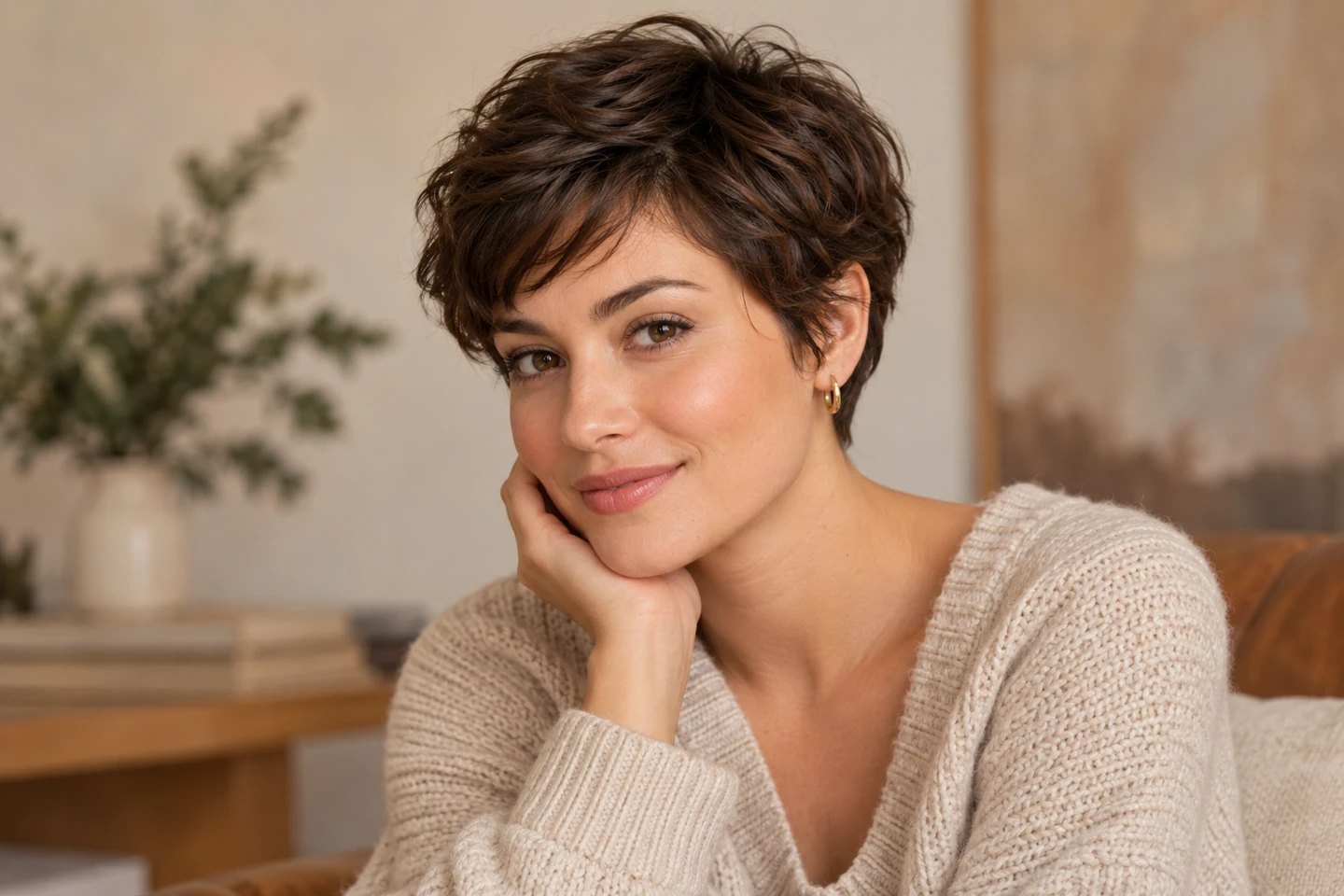
4. Wavy pixie with a loose fringe
Natural waves can supply the movement that makes a short haircut feel relaxed. A loose fringe with enough length to bend often looks softer than one cut extremely short. Discuss the shape when dry, because a wave can spring upward after cutting and change where the fringe lands.
Try arranging the front while it is damp, then leave it alone as it dries. Repeated brushing can stretch some waves while making others look fluffy. The goal is not to force every strand into the same curl; it is to keep the overall outline calm while allowing visible texture.
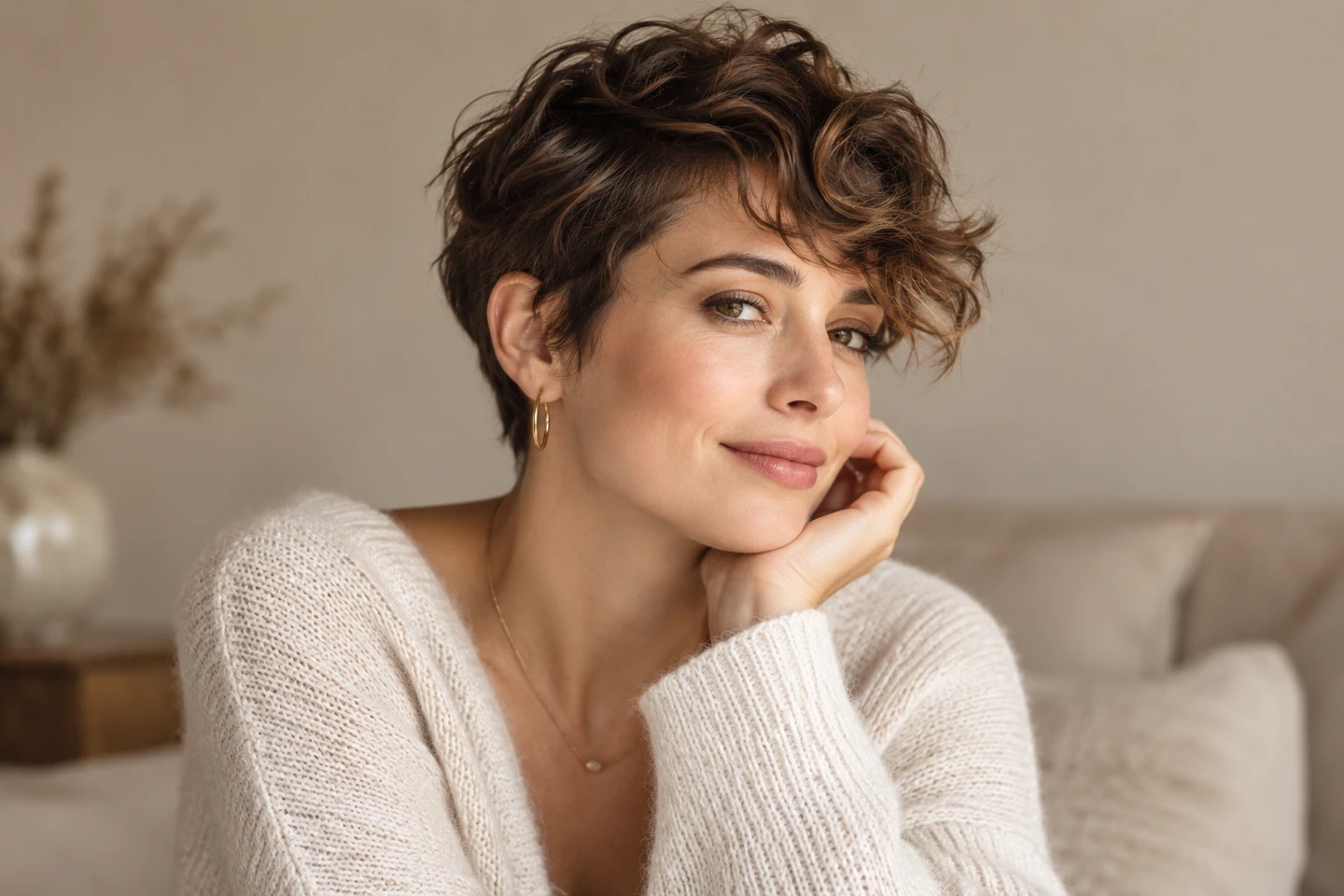
5. Curly pixie with a tapered outline
A curly pixie can keep volume on top while bringing the sides and nape into a tidy outline. The amount of taper depends on how much scalp exposure you like, not simply on the word pixie. Ask a stylist familiar with your curl pattern how shrinkage will affect the final length.
Save references with a similar curl size and density. A large loose curl and a compact coil need different lengths to produce the same apparent shape. Use the example to discuss volume placement and avoid assuming that a very short fringe will settle in the same way as longer curls.
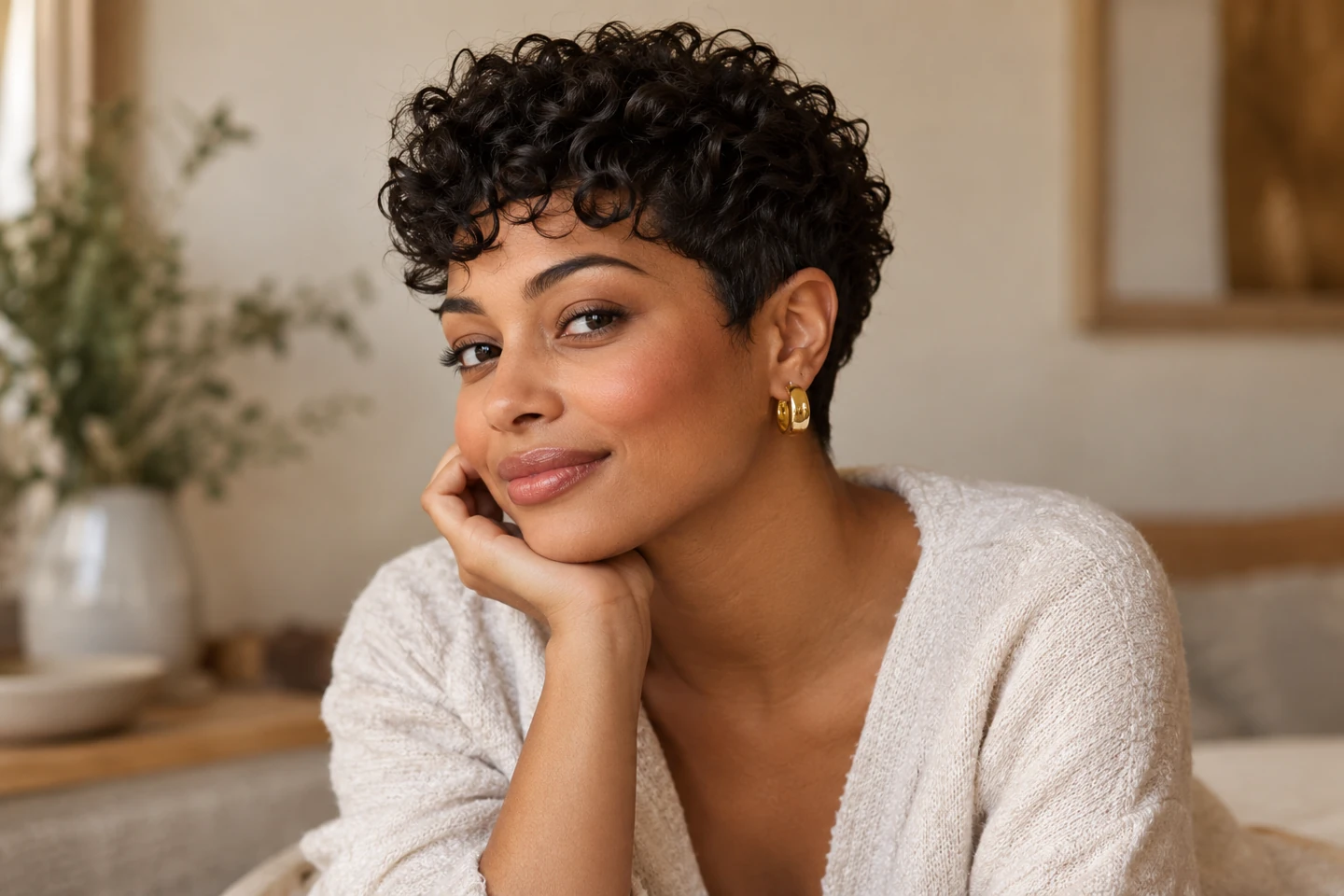
6. Coily pixie with a sculpted crown
A sculpted crown gives tightly coiled hair a deliberate shape without making smoothness the goal. Decide whether you prefer a rounded top, a gentle forward direction or a slightly asymmetrical profile. Keep enough length for the texture you want to show rather than treating the whole cut as one uniform crop.
Discuss your normal wash and styling routine at the consultation. A reference created with a particular styling method may require more time than you want to spend. The best version fits both the outline you enjoy and the way you prefer to wear your natural texture.
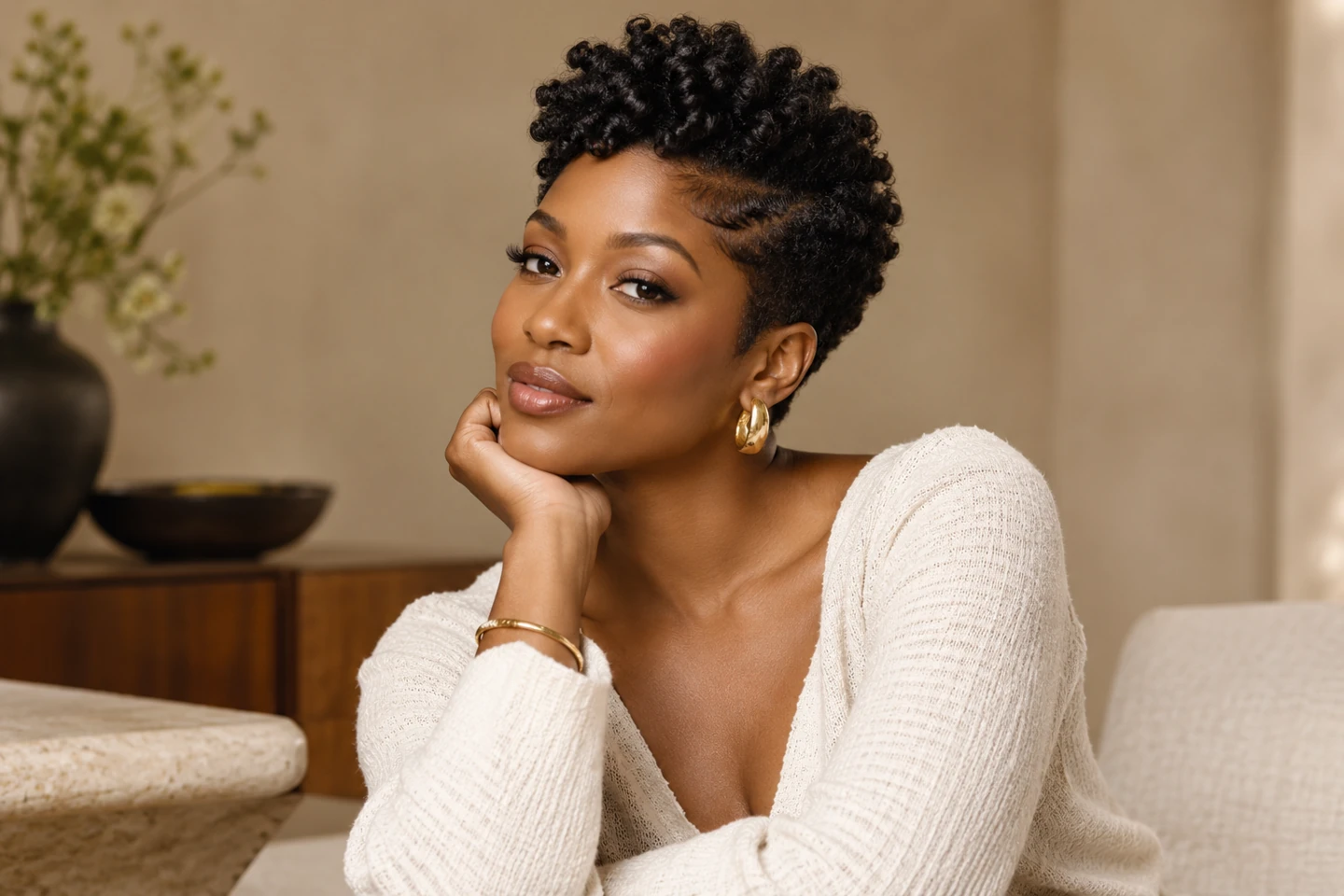
7. Long-front pixie
Keeping extra length at the front lets a pixie shift between a side sweep, soft quiff and loosely tucked look. A shorter back provides the contrast that keeps the haircut compact. Ask where the longest point should sit when your hair falls naturally, especially if you wear glasses.
The front should feel intentional when left unstyled. If the shape only works after careful straightening, it may not suit a low-effort routine. Try the fringe forward, to the side and away from the face before the appointment ends so you understand the everyday options.
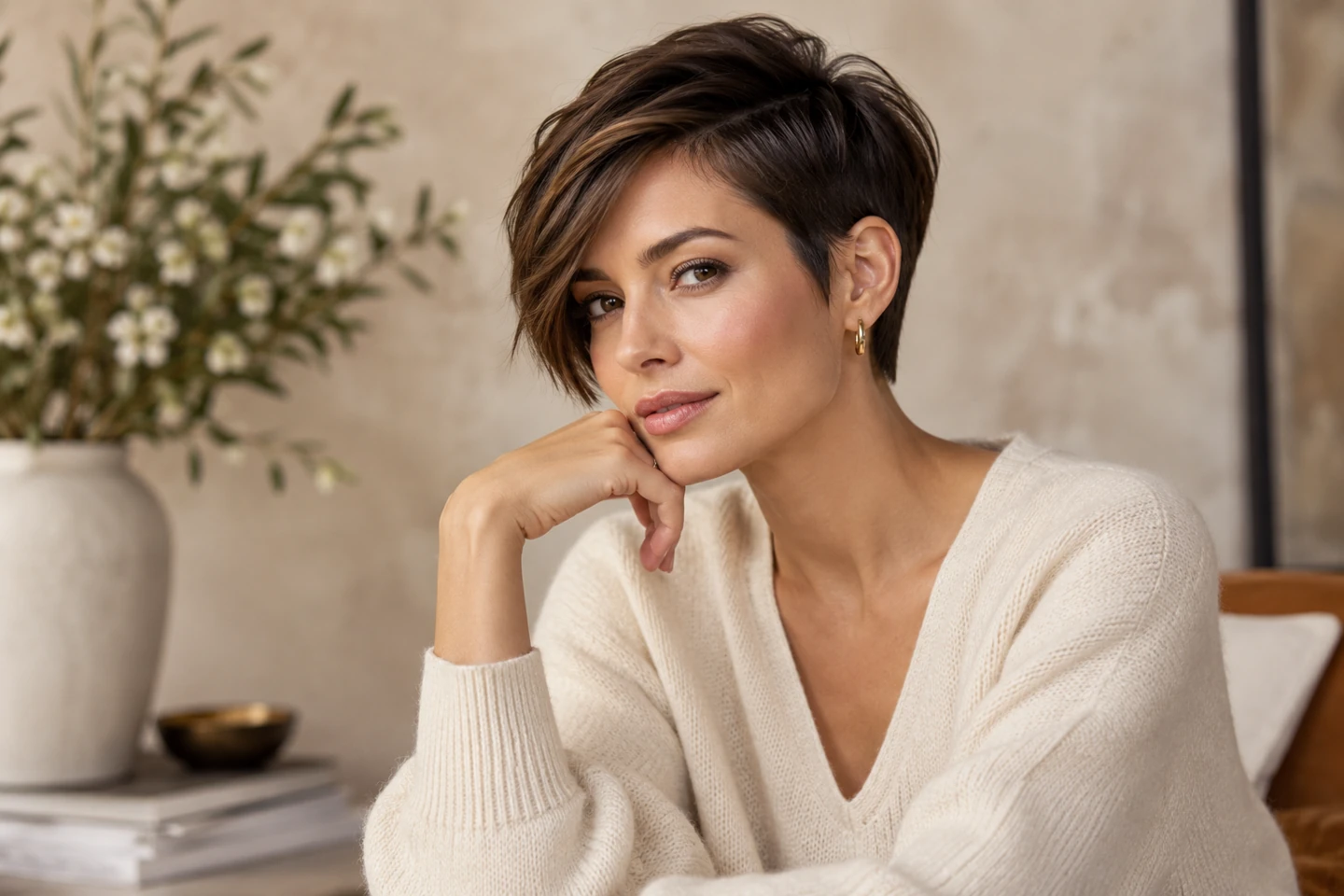
8. Pixie with a feathered nape
A feathered nape keeps the back soft instead of making a very sharp neckline the main feature. Fine points at the edge can connect naturally with a textured crown. Ask for a neckline that works with your hair growth; an uneven natural pattern may need a different approach from a straight low hairline.
This is a detail worth photographing from the side and back. Front-only inspiration often says little about the area that needs the most maintenance. Discuss how the outline will look as it grows and whether occasional neckline appointments would make the cut easier to keep.
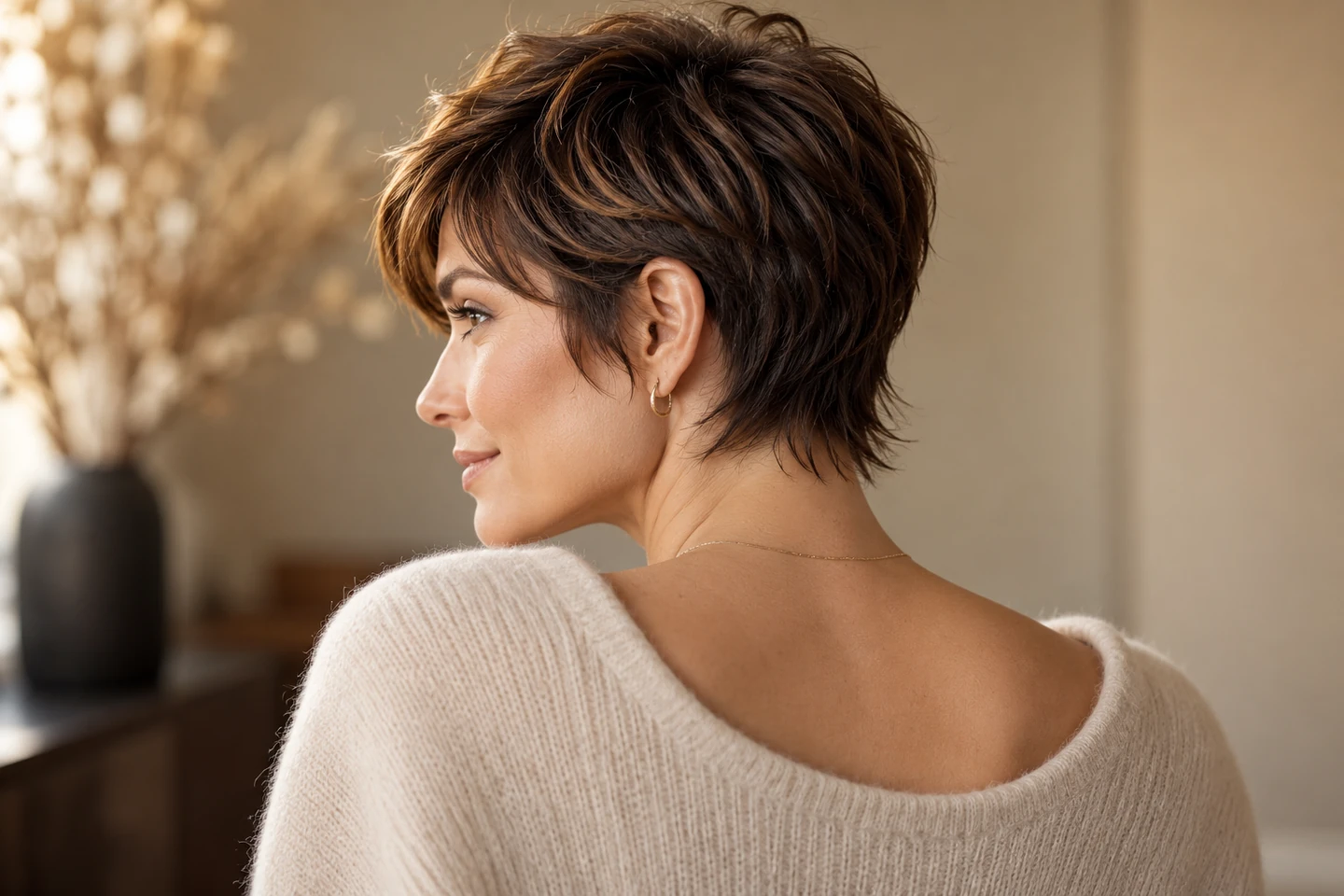
9. Ear-tuck pixie
An ear-tuck shape leaves enough length at the sides to soften the outline while keeping the back shorter. It can be helpful if you want the feeling of a crop without exposing the whole ear. Ask whether the side length will remain tucked naturally or spring out because of a wave or growth pattern.
Small differences in length matter here. Try the tuck while the hair is dry before deciding the sides are finished. If you wear glasses, test them too: frames can push short side sections outward and change the line around the temple.
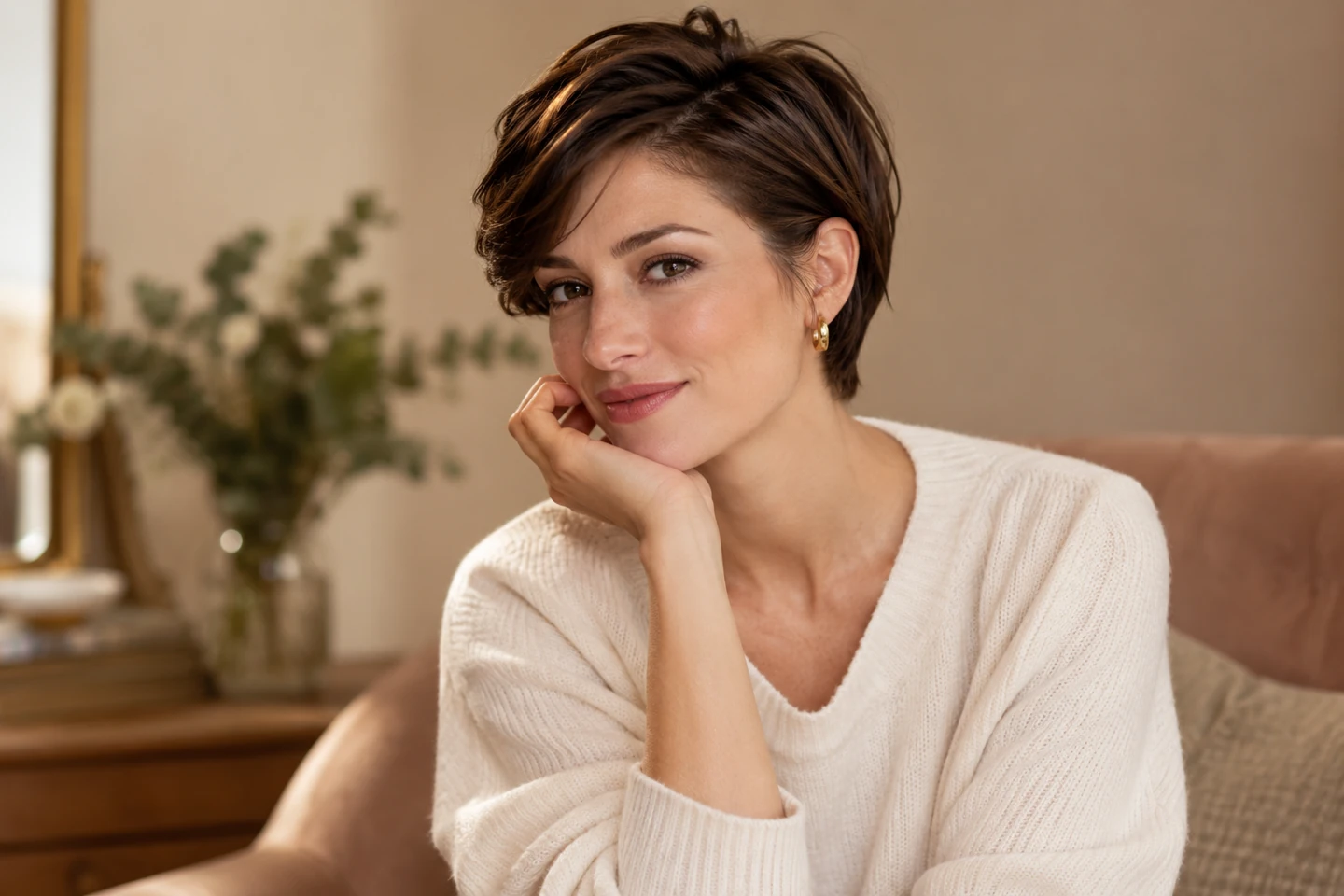
10. Pixie with a small quiff
A modest quiff lifts the front without turning the entire crown into a tall style. It works best when the top has enough length to bend and the sides remain quieter. Ask for a shape that still looks good if the lift relaxes during the day.
Begin with little product and add more only where the hair needs support. Too much heavy paste can collapse finer hair or create a stiff front section. Keep the quiff aligned with the overall silhouette so it feels like part of the haircut rather than a separate piece.
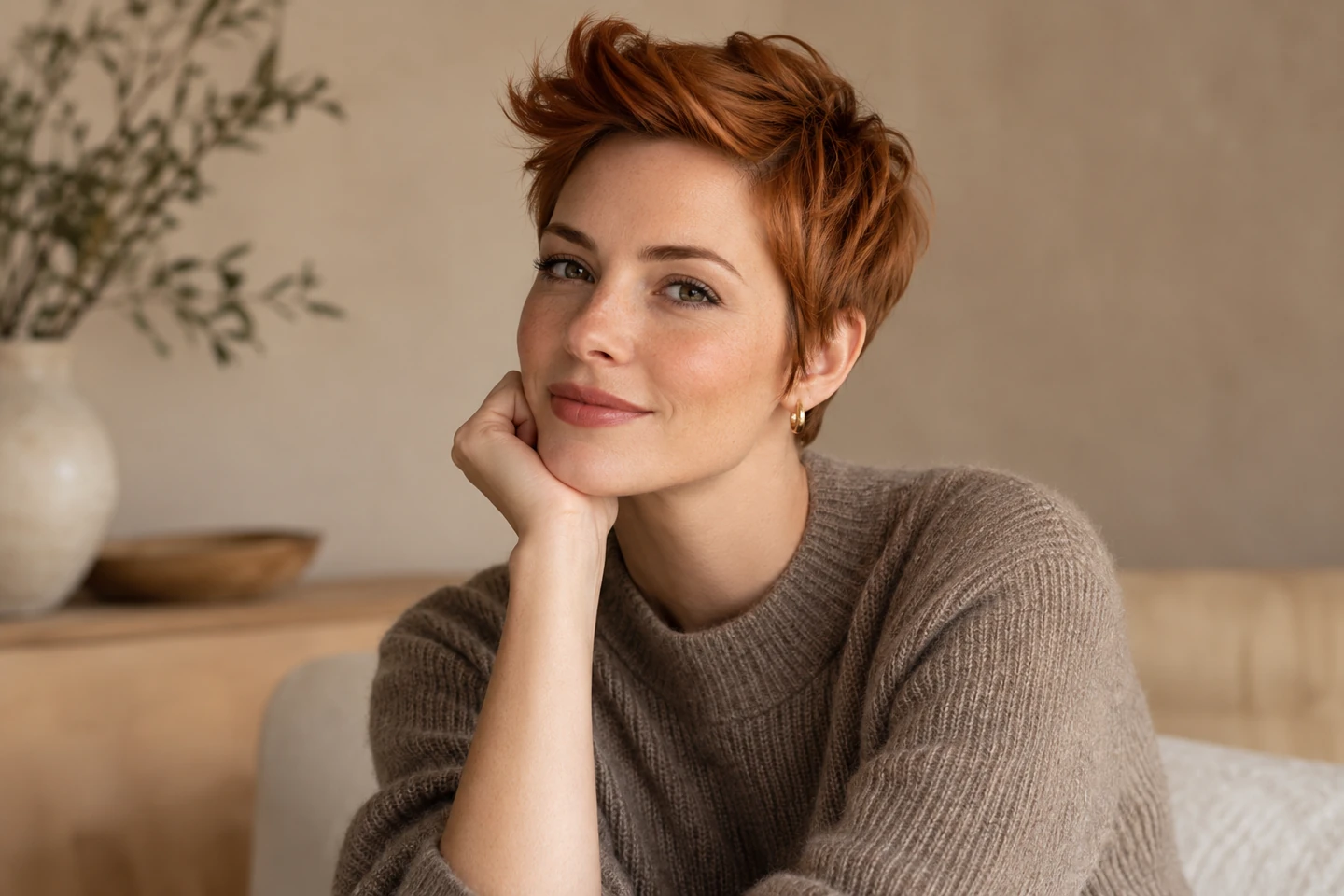
11. Smooth pixie with a deep side part
A deep side part creates a clean sweep across the top and makes a smooth pixie feel dressed up. The effect comes from the direction and finish rather than an extreme length difference. Ask your stylist to show where the part sits without fighting your natural growth.
Try the smoother version for an occasion and a looser version for everyday wear. A cut does not have to be shiny all the time to support this look. Follow styling-tool instructions if you use heat, and keep the ends moving rather than forcing the fringe into a hard curve.
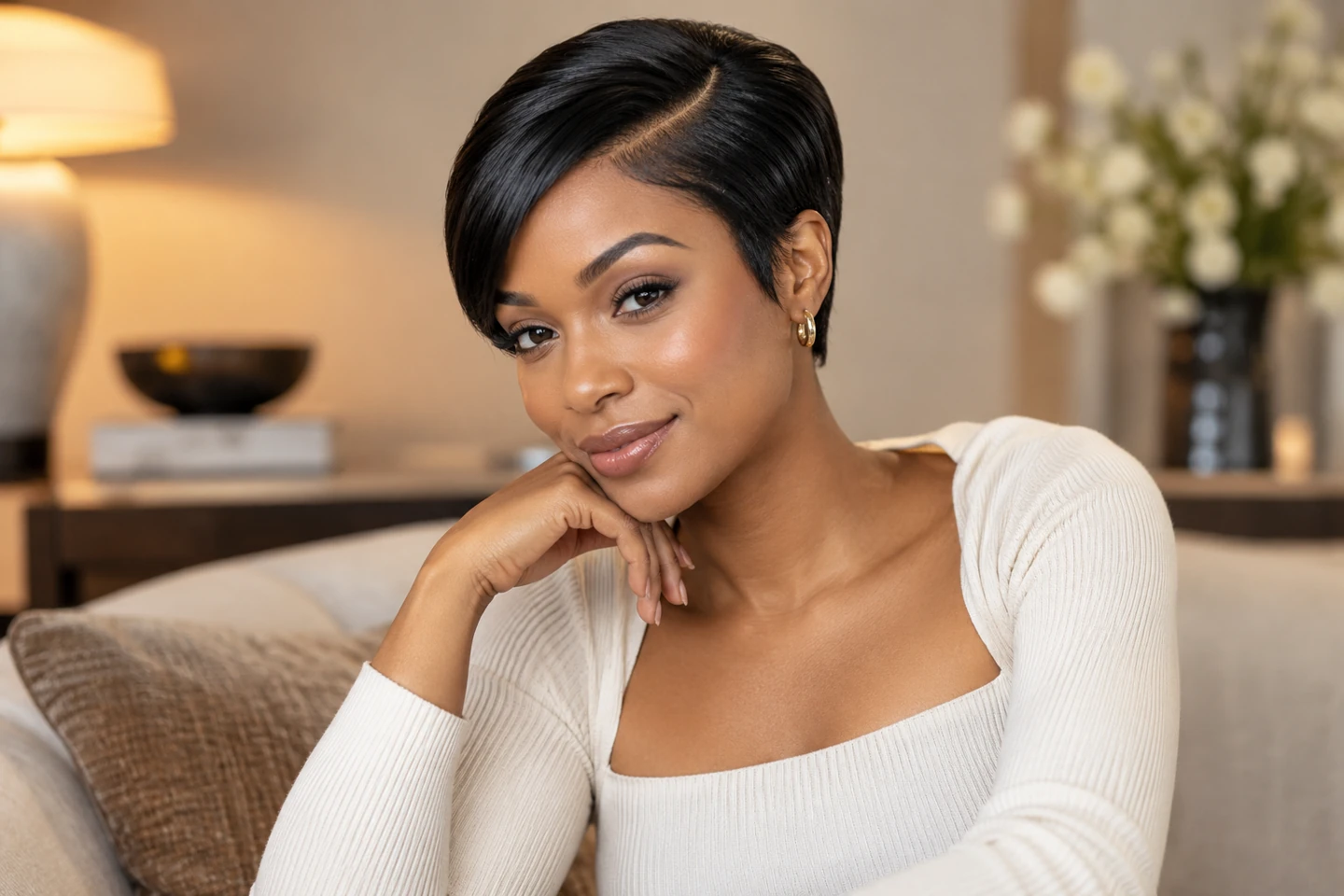
12. Silver textured pixie
Natural silver hair can make the texture of a pixie especially visible. A piecey top and softer sides allow the color variation to remain the feature. If your hair texture has changed as it has turned gray, discuss that directly instead of assuming an older haircut will behave the same way.
Ask how to keep the finish soft without losing definition. Very strong hold can make individual points look sharper than intended. The reference is about silhouette and texture; achieving an artificial silver color is a separate color-service conversation with its own maintenance needs.

13. Pixie with a softly exposed undercut
A subtle undercut can remove bulk beneath a longer top without becoming the focus of the haircut. Decide how much of the shorter section you want visible when the hair moves. Ask the stylist to show the boundary before cutting so the contrast matches your comfort level.
Think about grow-out as well as the first appointment. A hidden short section can eventually push against the longer layer above it. Discuss how to blend it later if you decide to move toward a fuller shape rather than maintaining the undercut indefinitely.
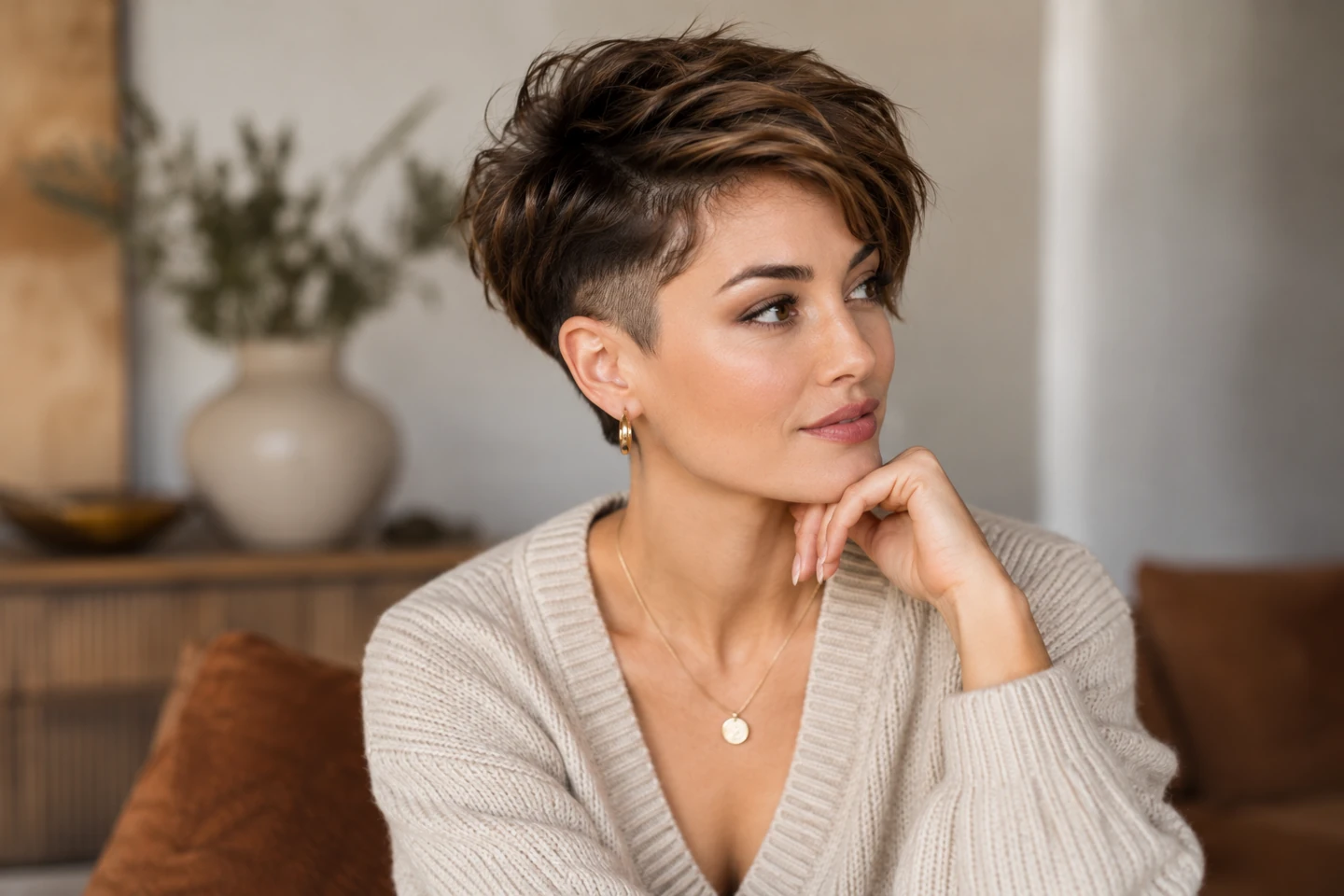
14. Bixie-inspired longer crop
A longer crop between a pixie and a short bob offers more movement around the ears and nape. It is a useful direction if you like the lightness of a pixie but want a softer perimeter. Ask which sections should stay longest so the outline does not become a rounded bob by accident.
This shape can also support grow-out, but it still needs planning. Keep the back proportionate to the front and discuss what the next haircut will aim to achieve. A little patience with the side length may produce a more coherent result than repeatedly trimming every area short.
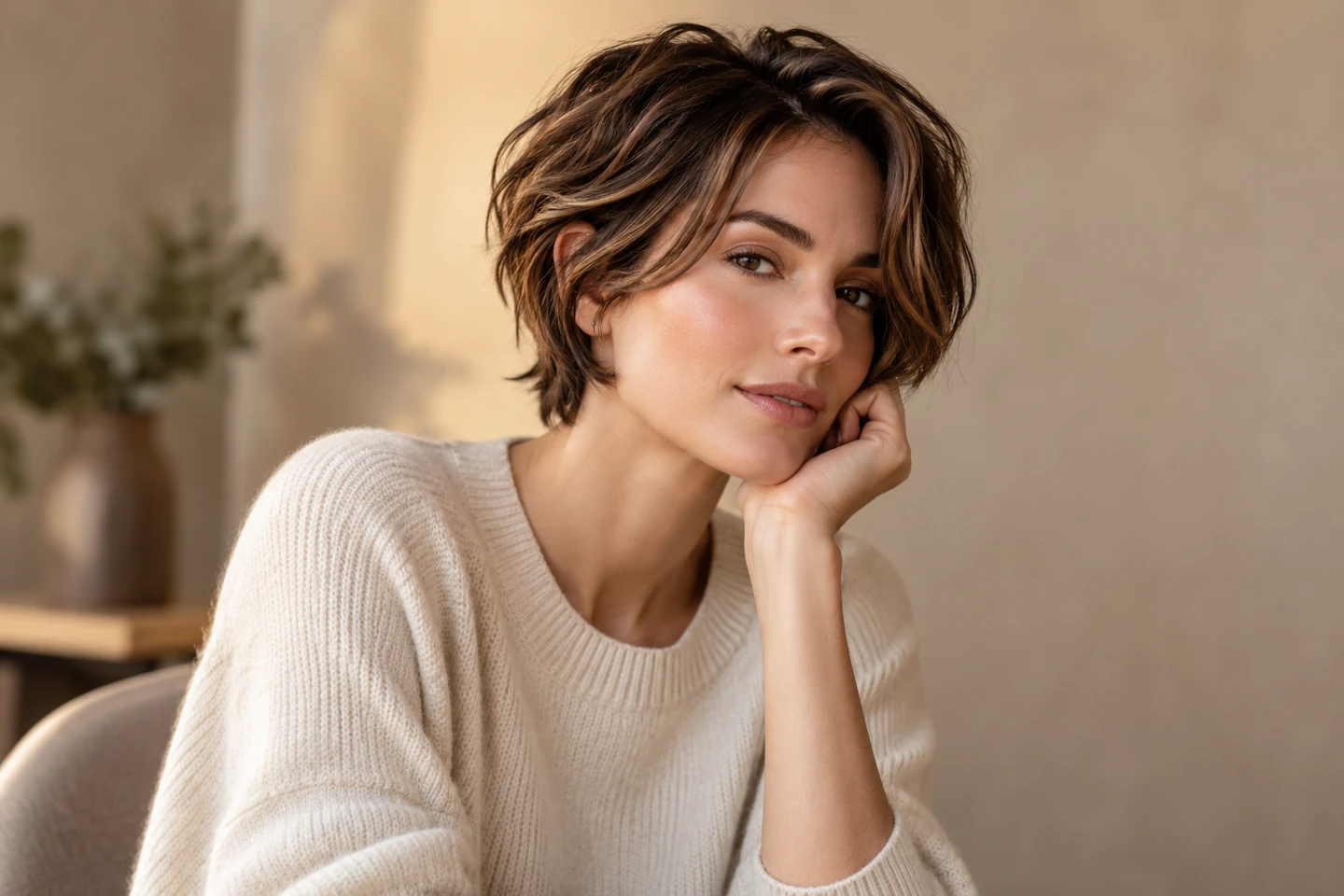
15. Micro-fringe pixie
A short micro fringe makes the front edge a clear design choice. It can look gentle when the ends are soft and the crown has natural texture, or more graphic when the edge is crisp. Decide which finish you prefer and ask how your hairline and cowlicks will affect it.
This is the reference to discuss carefully before cutting. A tiny fringe offers less room for a quick change of direction than a longer side sweep. Try showing the stylist both your ideal version and one that feels too severe, so the desired level of contrast is clear.
Frequently Asked Questions
How do I choose a pixie haircut?
Choose the outline, fringe length and amount of exposed ear or nape you like, then discuss your actual texture and growth patterns with a stylist. A similar hair texture is a more useful reference than a rigid face-shape rule.
Is a pixie always low maintenance?
No. It may take less drying time but can require frequent shape appointments or daily styling. Ask about both the salon routine and the styling needed for the specific version.
What should I show my stylist?
Bring front, side and back references if possible, plus a photo of your normal hair. Explain what you like about each image rather than asking for a generic pixie.
 10 ’90s Hair Accessory Looks to Recreate
 23 Soft Wolf Cut Ideas for Men That Look Modern, Textured and Easy to Style
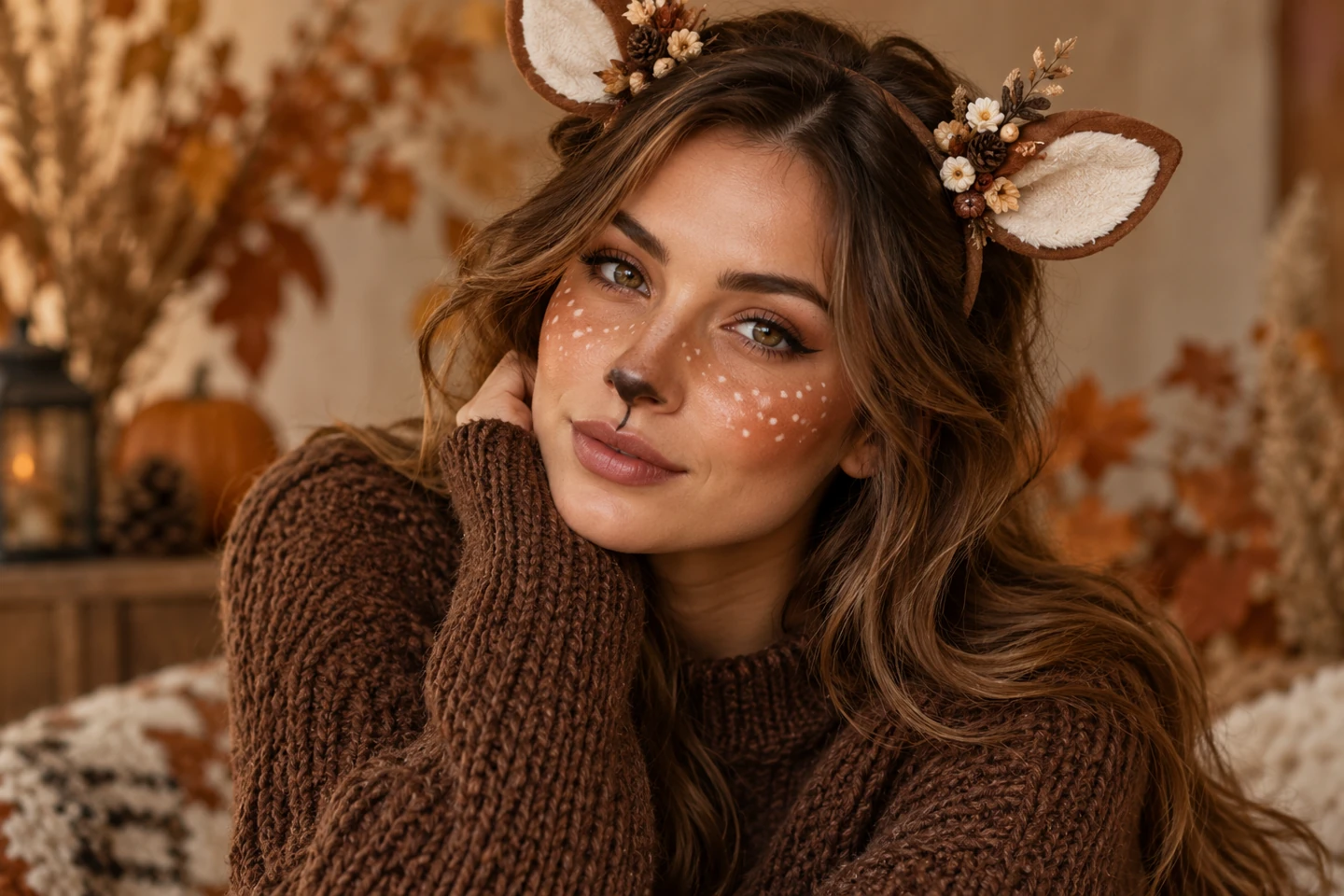 8 Fawn Halloween Makeup and Outfit Ideas to Make Your Own