 by Ecrin Labs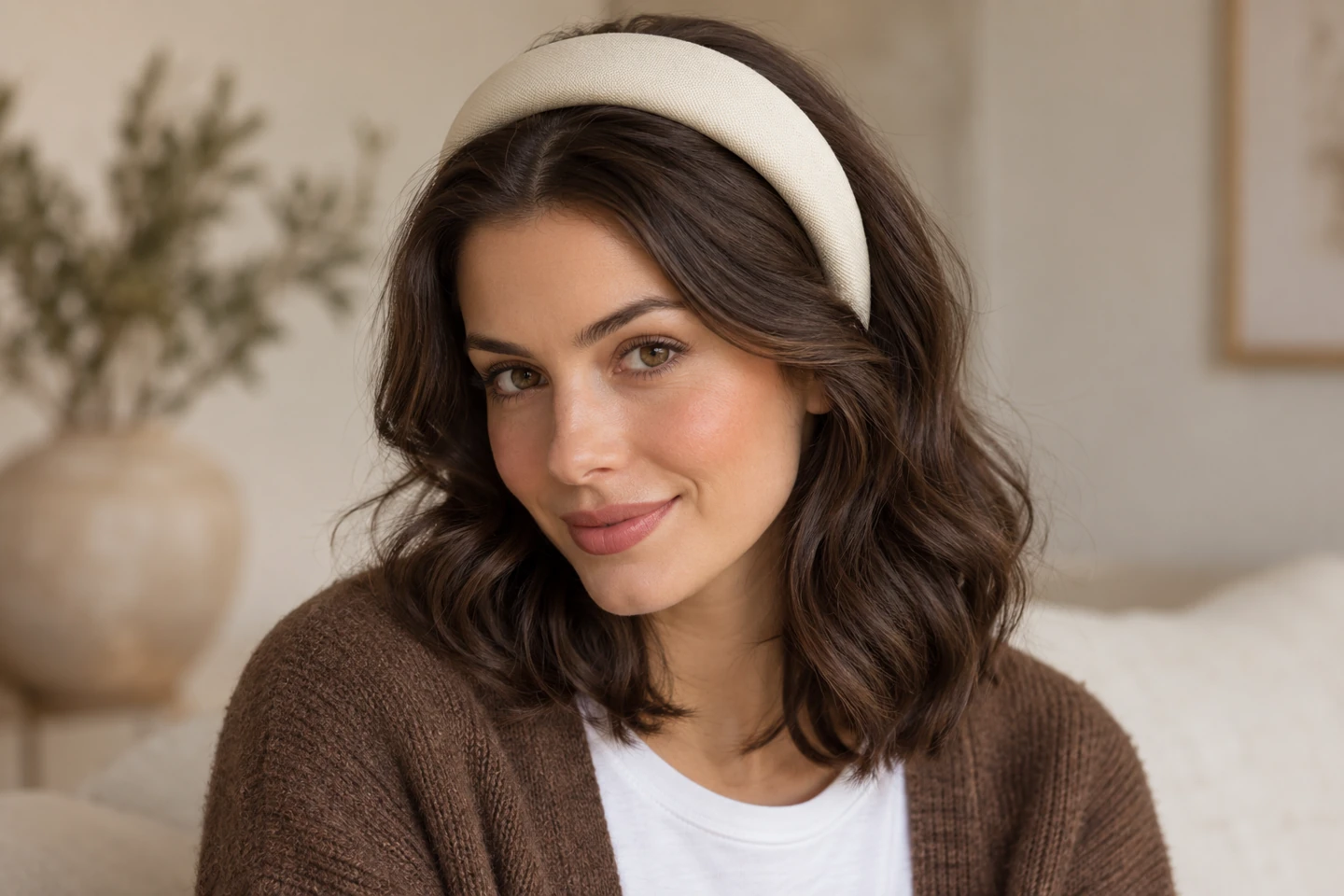
An accessory can give an ordinary hairstyle a nostalgic direction without turning the outfit into a costume. A wide headband, a soft scrunchie or a few small clips work best when they have a clear job: holding back a section, shaping the front or adding one visible accent. Start with the hair arrangement, then choose the accessory that supports it.
These are original styling concepts inspired by familiar ’90s accessory shapes, not claims about exact historical looks. The images are AI-generated illustrations. Choose accessory sizes and tension that feel comfortable with your hair; a reference can show placement, but it cannot establish how a clip will hold your particular texture.
1. Wide headband with loose hair
A wide headband makes the front of the hairstyle look deliberate while the rest stays loose. Place it where it feels secure without pressing too tightly, then decide whether you want a clean hairline or a few soft pieces in front. Both directions work; mixing them halfway can make the arrangement feel accidental.
A simple tortoiseshell or solid-color band keeps the focus on shape. Let the accessory repeat one color from the outfit rather than adding another competing pattern. With waves or curls, arrange the visible front pieces gently instead of flattening the entire top.
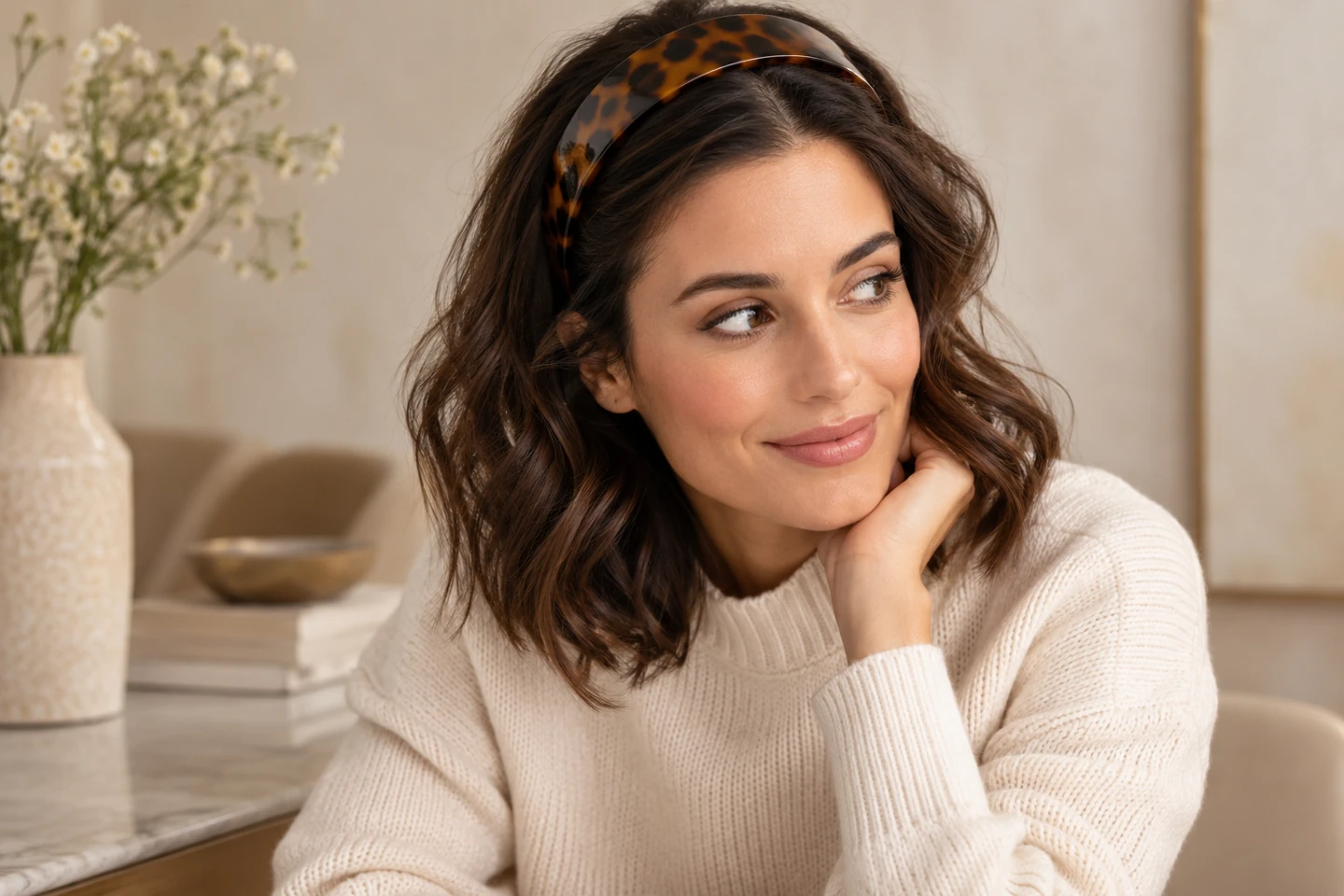
2. Scrunchie low ponytail
A soft scrunchie makes a low ponytail feel casual and finished. Gather the hair where the shape sits comfortably, then leave enough softness that it does not look tightly pulled for the sake of the accessory. A fabric color close to the outfit can make the look cohesive.
Check how the scrunchie grips your hair before choosing a large decorative version. A bulky accessory that slides around is less useful than a smaller one that holds. Let the ponytail remain the main silhouette, with the scrunchie adding texture at its base.
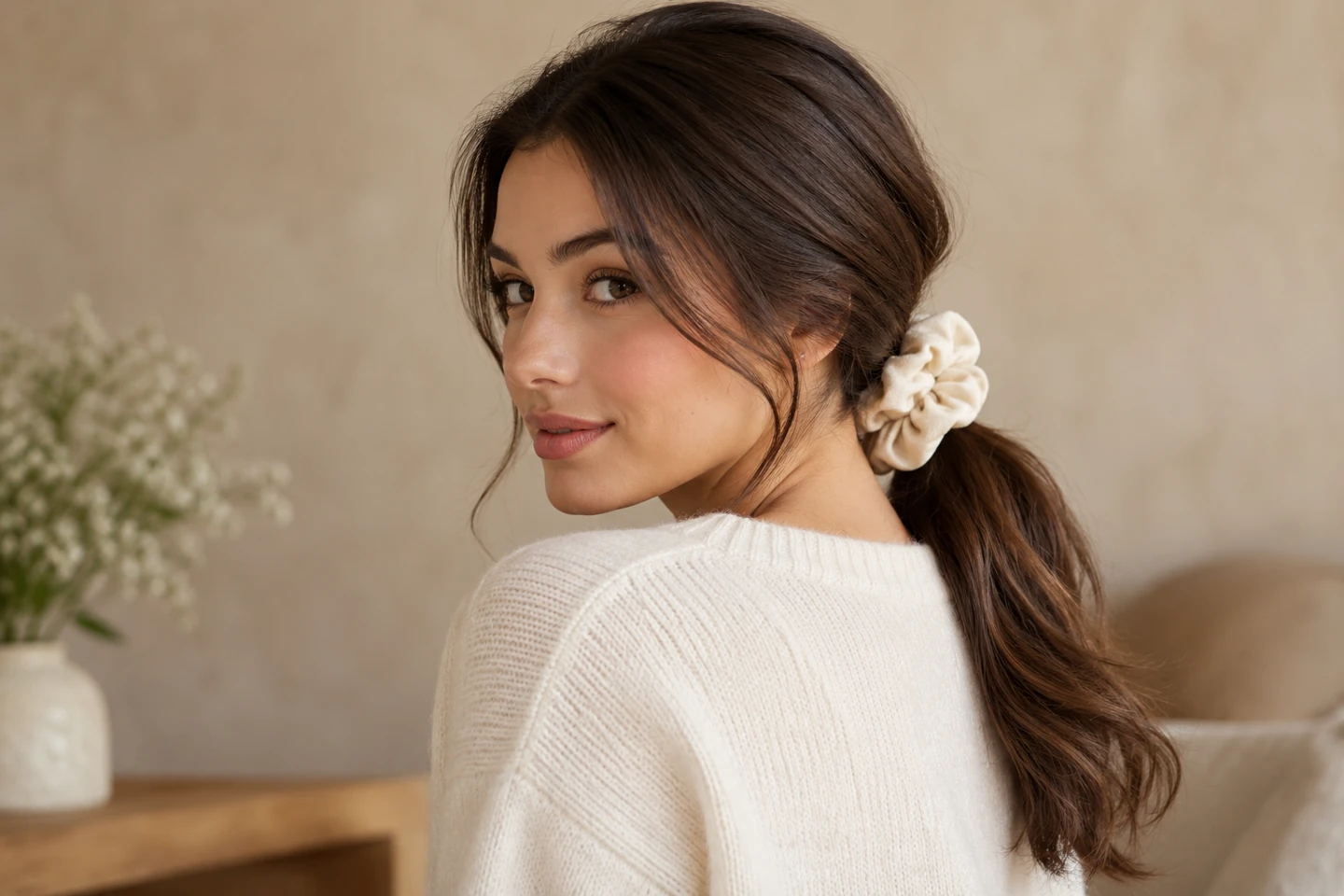
3. Claw-clip twist
A claw-clip twist gathers the lengths into a compact shape while allowing a little movement at the top. The clip needs to accommodate the amount of hair you place inside it. A very small clip may look neat in a reference but struggle with a fuller twist.
Start with the amount of hair the clip can hold comfortably and adapt the twist rather than forcing the whole length in. Let a few ends show if that fits your texture. Check the side view so the clip supports the arrangement rather than sitting far away from the head.
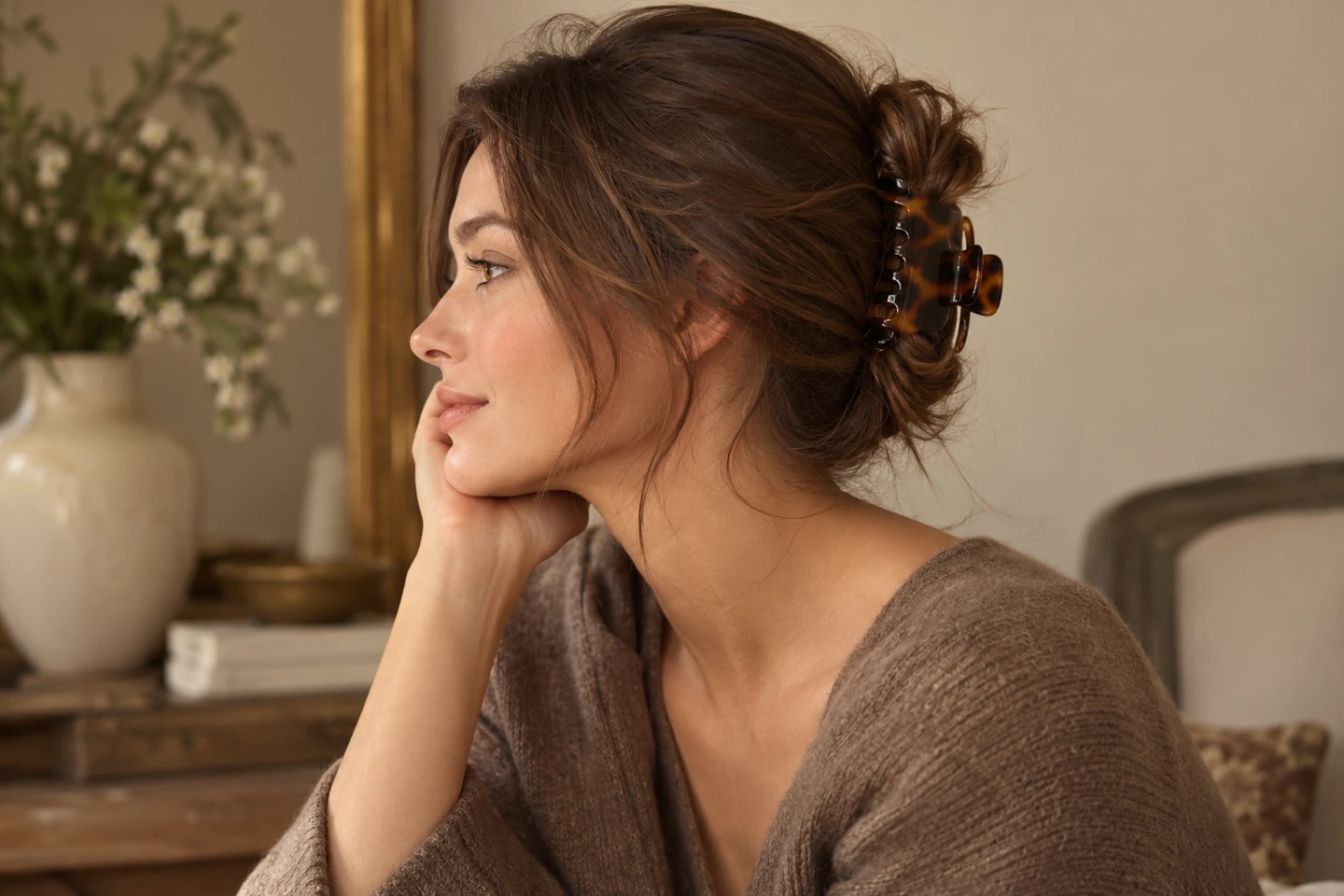
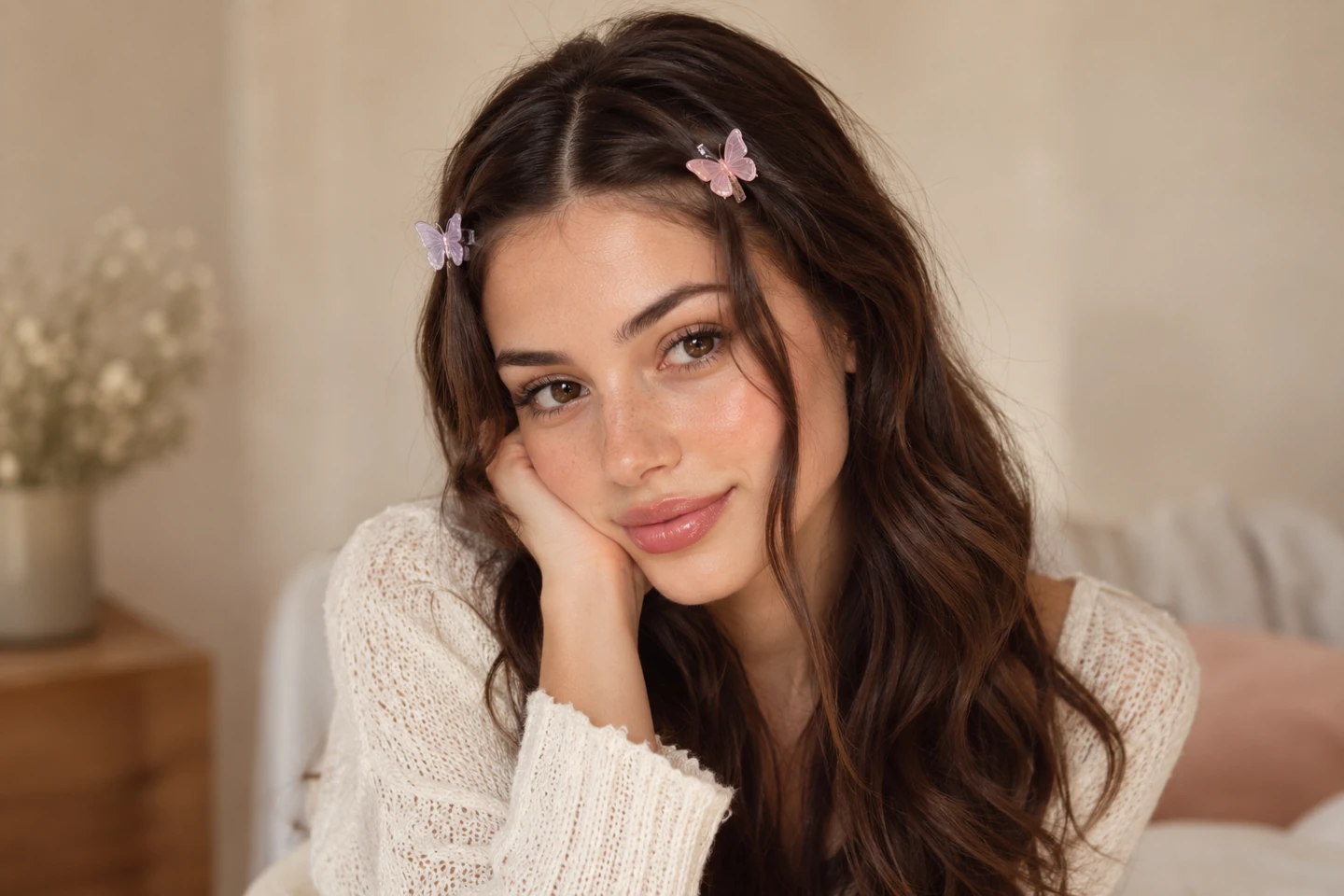
4. Butterfly clips on two front sections
Two small front sections held by butterfly clips offer a playful detail without decorating the whole head. Use a modest pair of clips and keep the rest of the hair simple. The symmetry helps the look read clearly even when the clips are small.
Choose sections that the clips can hold without tugging. On thick hair, a slightly smaller section can be more comfortable than trying to secure a large front piece with a decorative clip. With shorter hair, place the clips near the temples and keep the emphasis on the accessory rather than length.
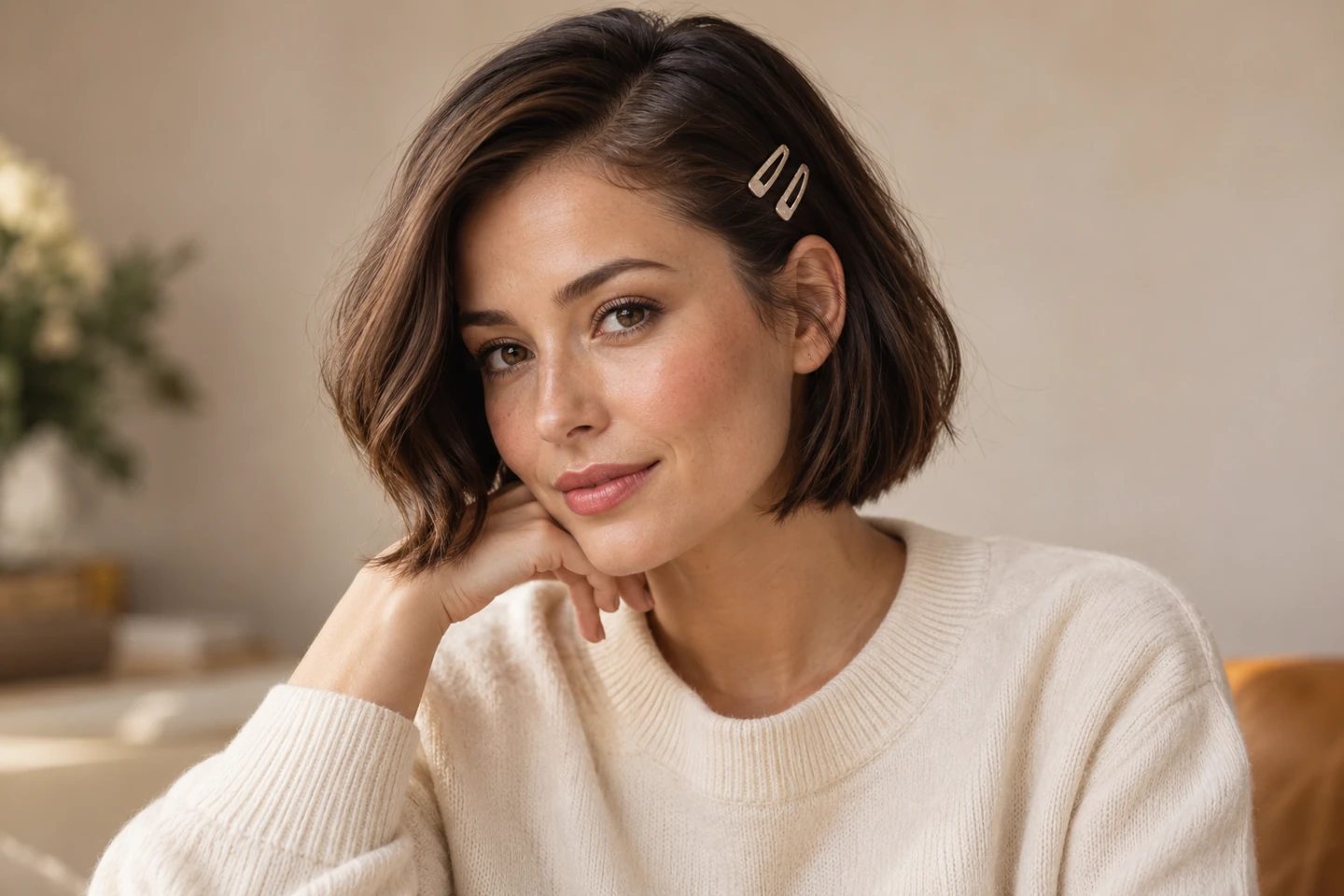
5. Side part with snap clips
A side part and two snap clips on the quieter side create a clear contrast between movement and control. Place the clips parallel or slightly staggered, then leave the opposite side softer. This is a useful way to make a simple bob or shoulder-length cut feel styled.
Avoid layering so many clips that the hardware becomes uncomfortable. A plain metallic finish or one solid color gives the look enough character. Check that the clips hold a section rather than only lying on top of it; their practical role helps the arrangement stay coherent.
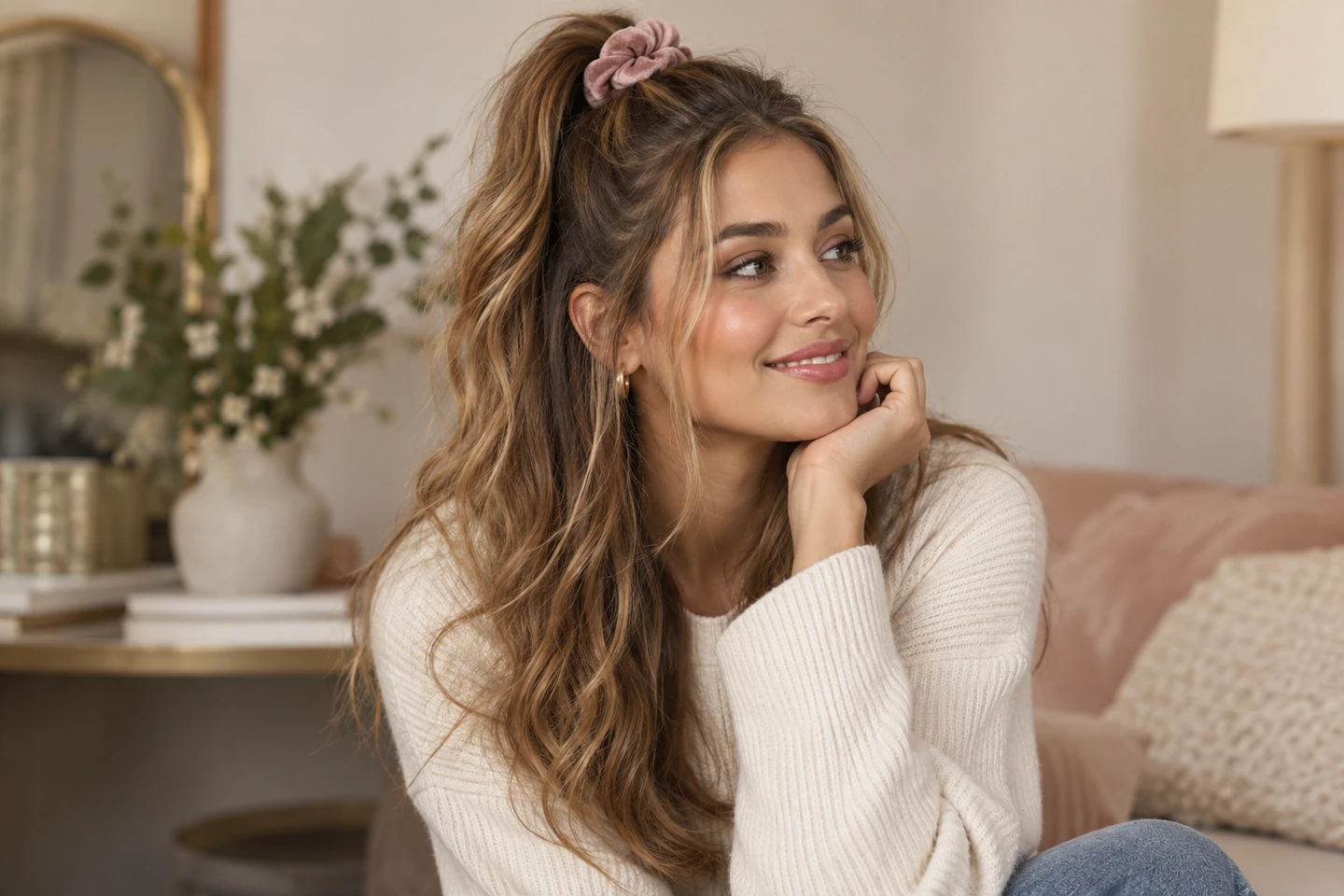
6. Half-up ponytail with a scrunchie
A half-up ponytail gives the accessory a visible place while leaving the lengths loose. Choose how much hair to gather based on the volume you want at the crown. Taking a smaller section can make the style feel lighter and keep the sides from looking tightly pulled.
Use a scrunchie proportionate to the section so it does not overpower the hairstyle. A soft texture can contrast with smooth hair or echo a casual knit outfit. Leave the remaining lengths in their natural movement rather than styling them heavily just to support the nostalgic detail.
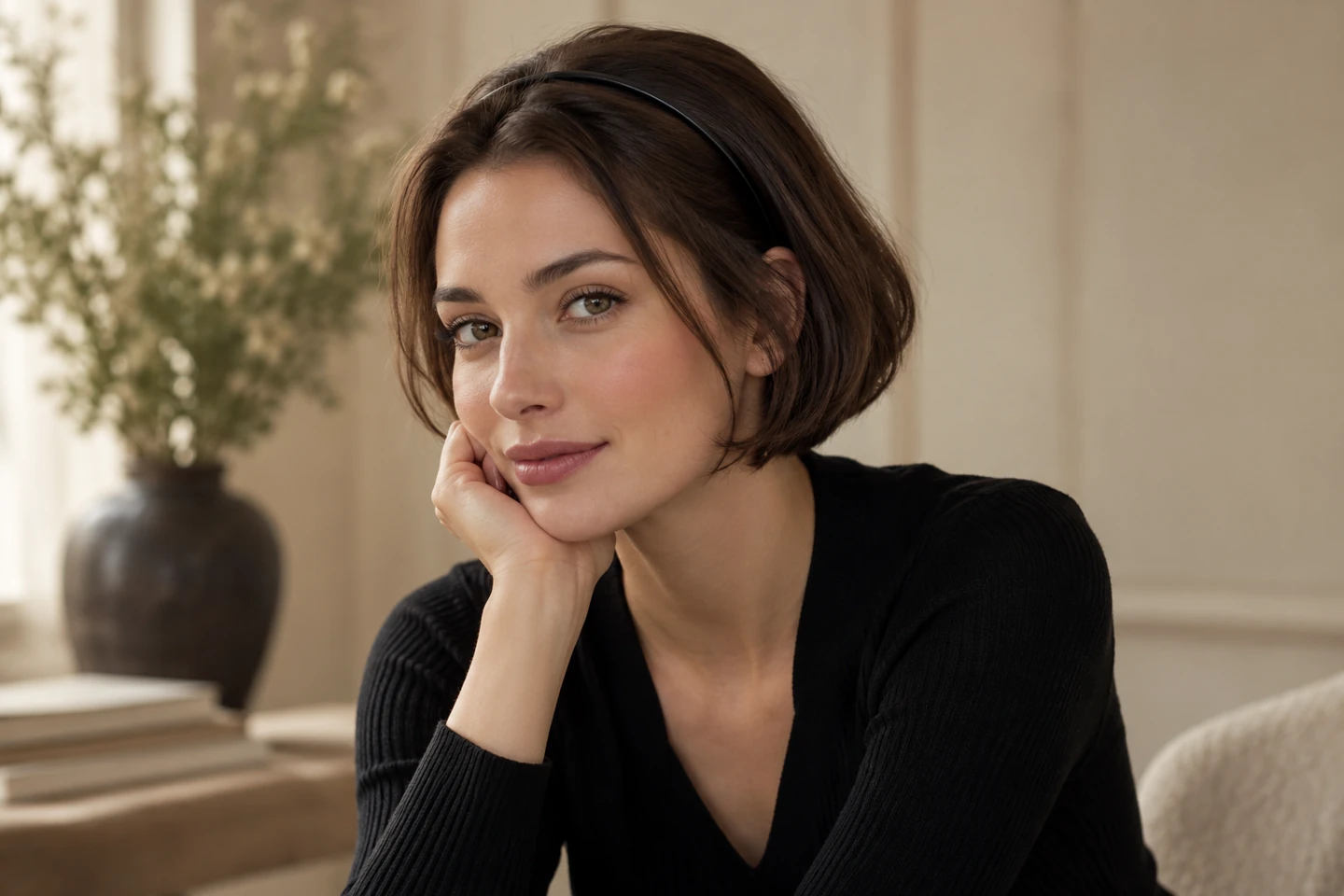
7. Thin headband with a tucked bob
A slim headband can add a small graphic line to a bob without occupying much of the hairstyle. Tuck one or both sides according to the cut and let the band sit as a visible accessory. The look feels different from a wide band because more of the hair remains the focus.
Try the arrangement with any glasses you normally wear. The band and frames may compete for the same space behind the ears. Keep the accessory light and avoid using it to force an awkward growth pattern into place; a small change in placement can work better.
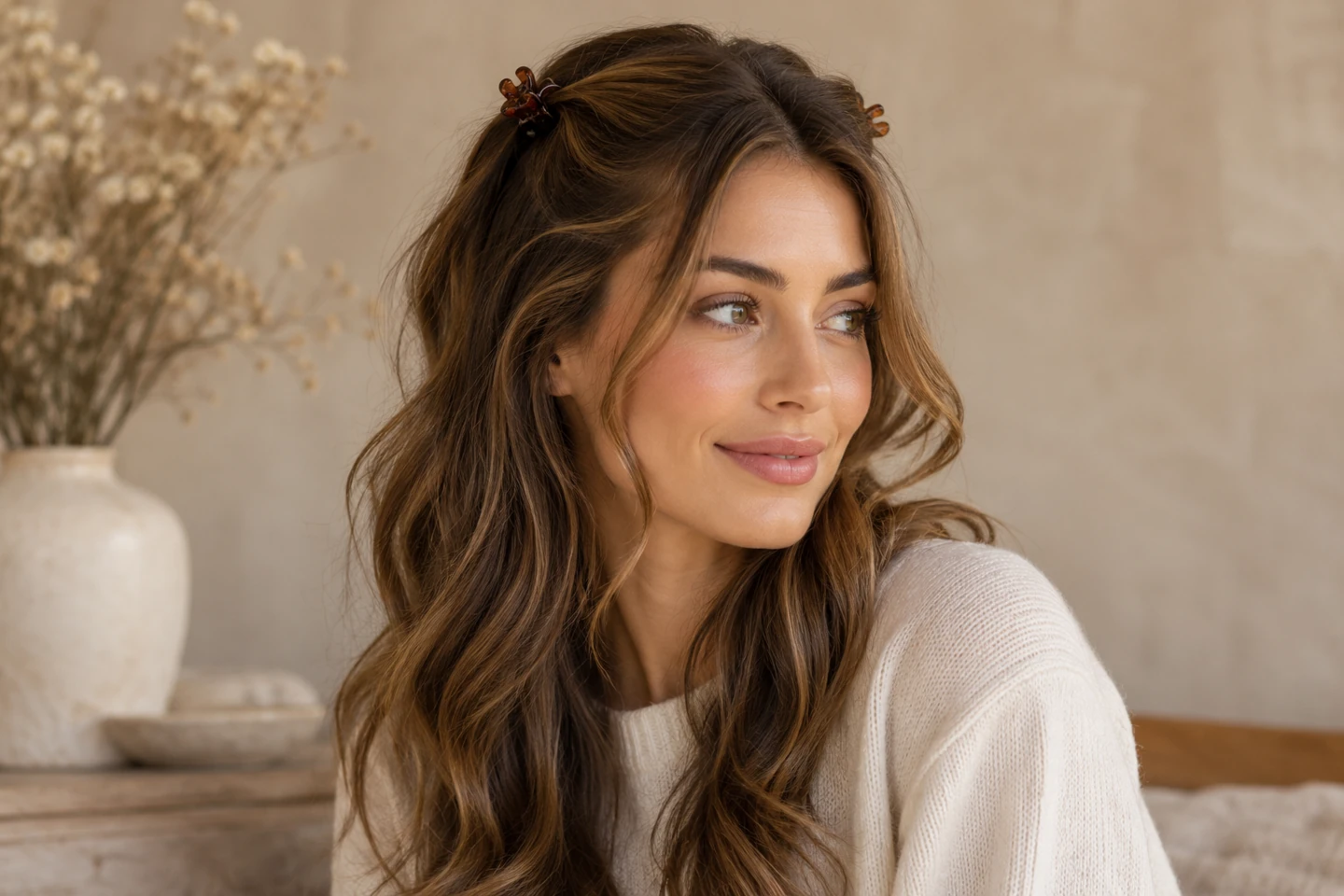
8. Mini claw clips in a half-up arrangement
A pair of mini claw clips can hold smaller sections when a full twist is not the goal. Use them to lift the sides into a half-up arrangement, leaving the middle and lengths relaxed. Choose a matched pair for a clearer visual pattern.
Mini clips are decorative but still need a realistic amount of hair to hold. Test each section for comfort and stability instead of repeatedly adding more clips. Keep the colors restrained if you want the look to feel like everyday styling rather than a full accessory display.
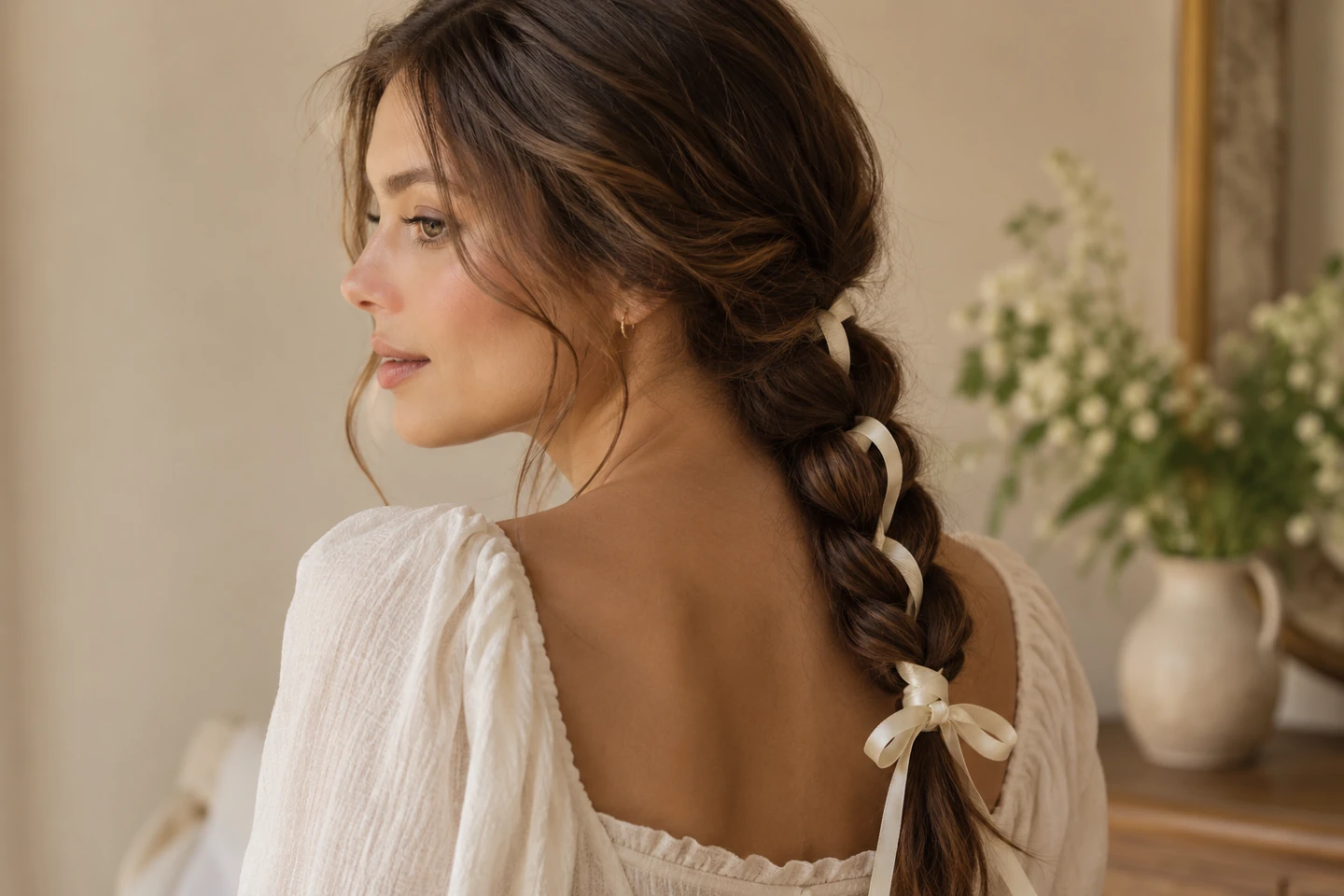
9. Ribbon through a low braid
A narrow ribbon adds a soft line to a simple low braid. Choose a length that stays clear of your hands and clothing, and let the fabric support the hairstyle rather than becoming a long trailing prop. A dark ribbon on lighter hair or a cream ribbon on darker hair creates visible contrast.
A tied ribbon at the end is an easier alternative to weaving it through the whole braid. Use whichever arrangement feels comfortable and stays secure. The idea is about a soft accessory accent, so the braid itself can remain ordinary and practical.
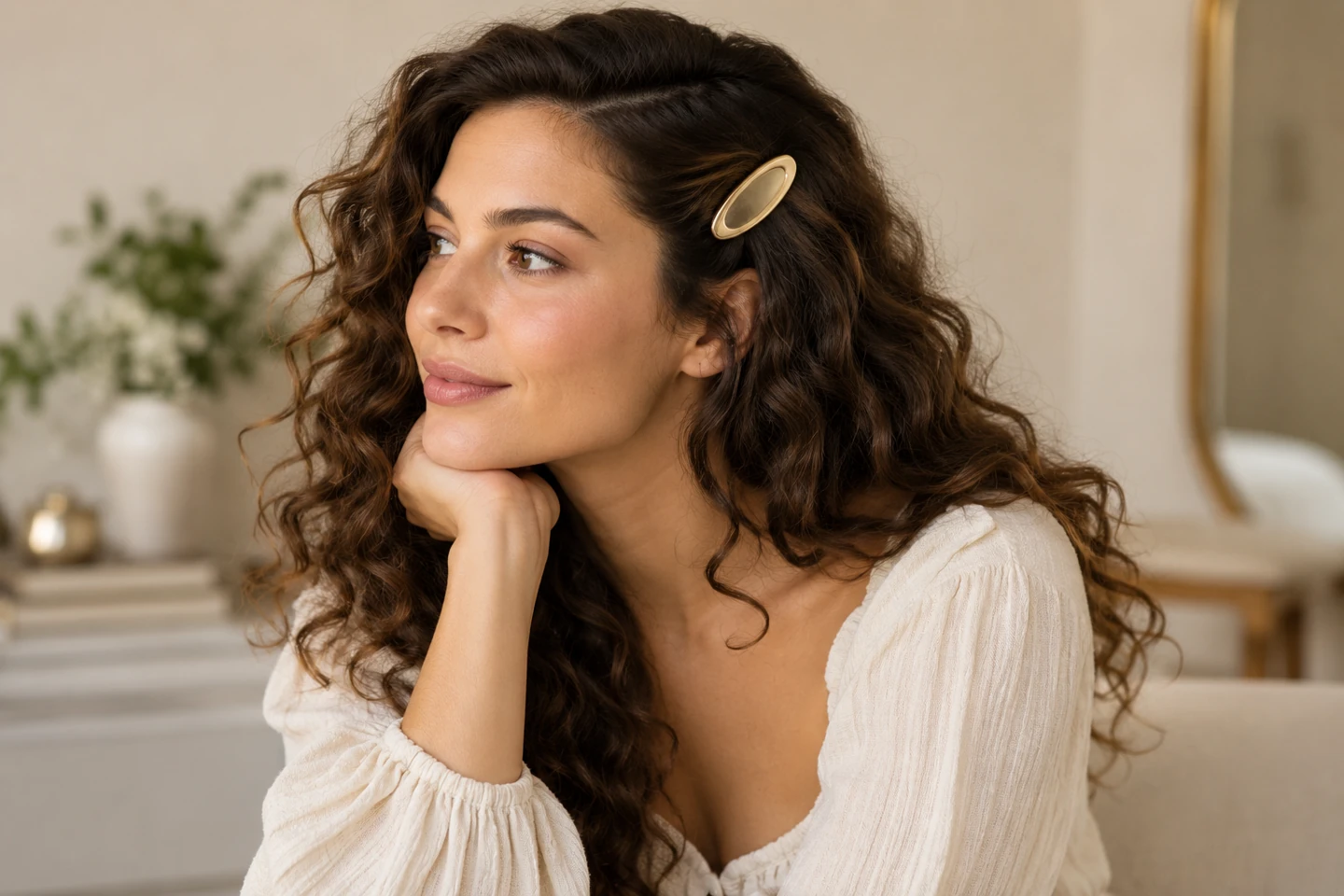
10. One statement barrette with loose texture
A single larger barrette can be enough when the hair already has visible wave or curl. Place it to hold one front section and leave the rest alone. A smooth oval or simple rectangular shape gives the accessory a clear outline without needing extra clips around it.
Check whether the barrette suits the thickness of the section you want to secure. If it presses or slips, adjust the amount of hair rather than relying on tension. A statement accessory works best when it does one job well and the rest of the hairstyle remains calm.
Frequently Asked Questions
Which ’90s-inspired accessory is easiest to start with?
A soft scrunchie or simple headband is an approachable starting point. Choose the accessory that helps with a hairstyle you already wear.
Can short hair use these looks?
Yes. Headbands, snap clips and small front-section clips can work without long lengths. Adjust the accessory size and placement to the cut.
How do I choose a claw clip size?
Match it to the amount of hair you want to secure. A full twist needs more capacity than a small half-up section; test for comfort and a secure hold.
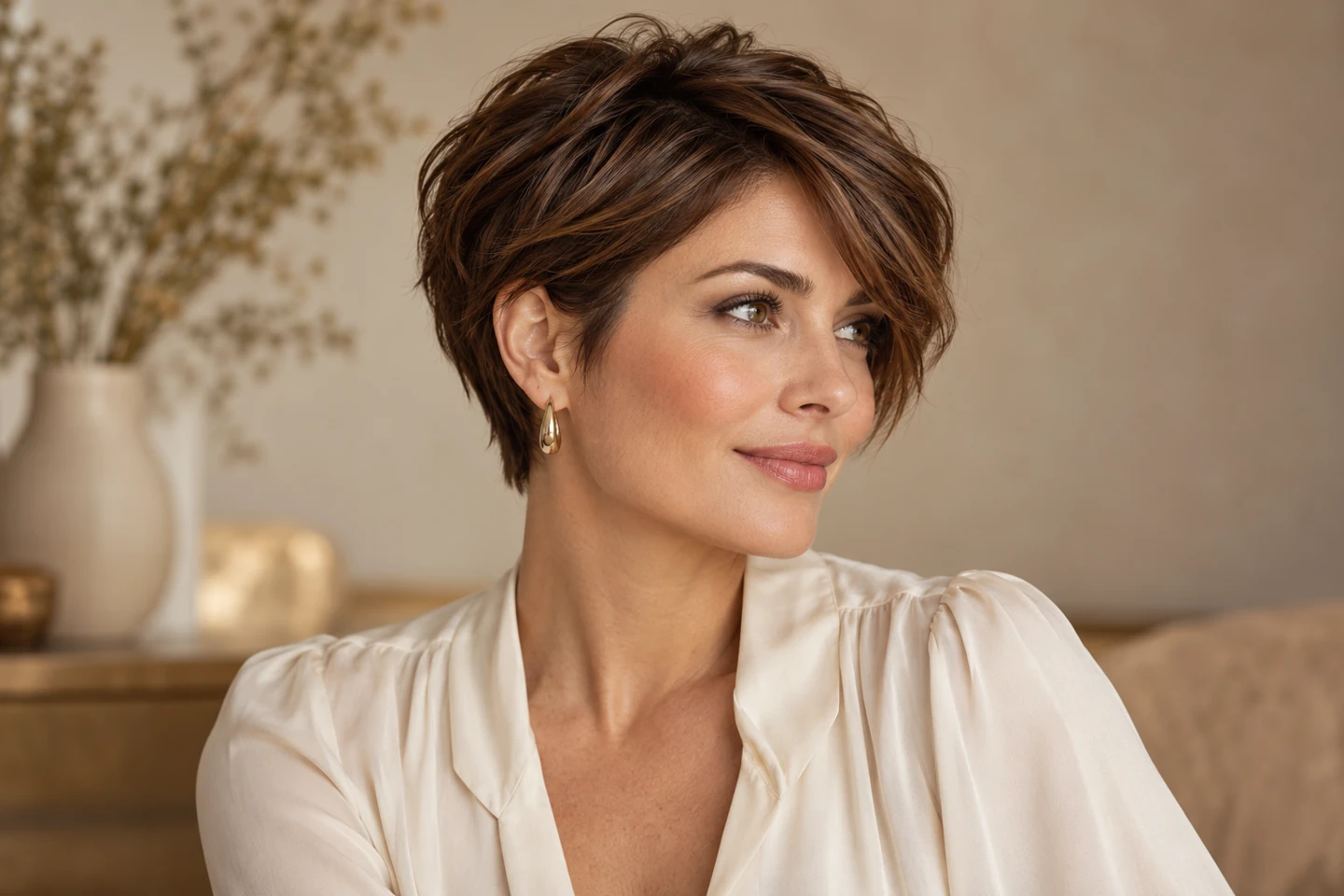 15 Feminine Pixie Cut Ideas for Different Hair Textures
 12 Easy Halloween Costume Ideas Using Everyday Clothes
 8 Fawn Halloween Makeup and Outfit Ideas to Make Your Own