 by Ecrin Labs
Perfume layering is less about wearing as much fragrance as possible and more about giving two compatible scent families a clear job. One fragrance can provide the soft base—musk, vanilla, amber or woods—while the second adds contrast through citrus, fruit, flowers, tea or spice. The result can feel more personal because the balance changes with your skin, the weather and the amount of each scent you apply.
A simple rule makes experimenting easier: begin with two fragrances, not four. Smell each one separately first, then try one light spray of the deeper or longer-lasting scent and one light spray of the brighter scent. If the combination feels muddy, reduce the heavier layer rather than adding another perfume. You can also layer on separate pulse points instead of spraying both fragrances directly on top of each other.
The 19 ideas below are scent-family combinations rather than brand-specific recipes, so you can recreate them with perfumes you already own. Fragrance can irritate sensitive skin, so follow each product's directions and avoid experimenting on irritated skin or immediately after shaving.
1. Vanilla + Amber for a warm, polished base
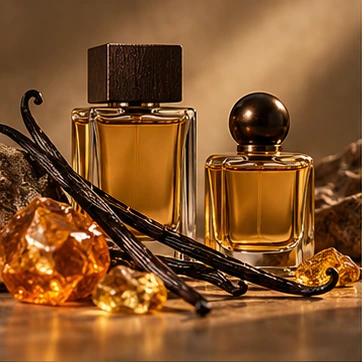
Pair a smooth vanilla with a dry or resinous amber when you want warmth without making the scent feel like dessert. Let amber do the grounding and use vanilla as the softer edge. If both perfumes are strong, start with one spray of amber and a lighter mist of vanilla so the combination keeps some air around it.
2. Citrus + White Musk for a clean everyday scent
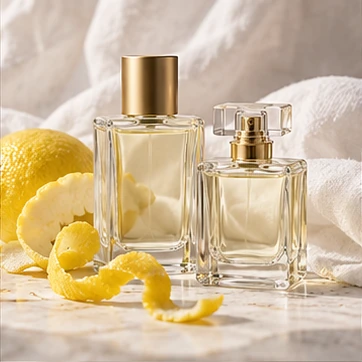
Bright lemon, bergamot, grapefruit or orange can make white musk feel fresher and less powdery. This is a useful daytime combination because the citrus gives an immediate lift while the musk leaves a softer trail after the top notes fade. Keep the citrus layer light if the musk already has a soapy character.
3. Rose + Vanilla for a softer floral
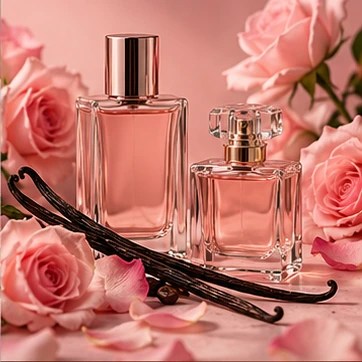
A true rose can feel sharp, green or very formal on its own. Vanilla rounds the edges and shifts the floral toward something warmer and more wearable. Choose a lighter vanilla if the rose is already sweet, or a richer vanilla if the rose has a fresh, leafy character.
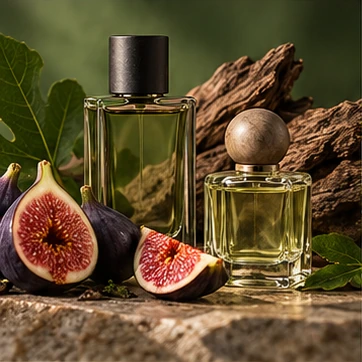
4. Fig + Dry Woods for a modern green-woody blend
Fig often brings creamy fruit, green leaves or a milky texture, which makes it especially good with cedar-like or dry woody perfumes. The wood keeps the fig from becoming too sweet, while the fruit gives a bare woody scent more dimension. This pairing works best when at least one of the fragrances stays relatively transparent.
5. Jasmine + White Musk for a soft skin-scent effect
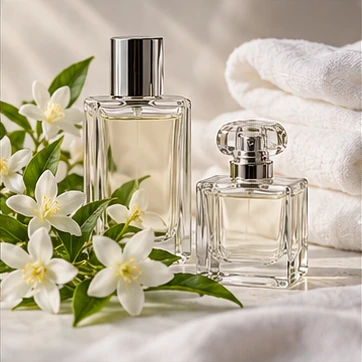
Jasmine can be luminous and floral or rich and indolic depending on the perfume. White musk makes the overall effect smoother and closer to the skin. Apply the musk first if you want jasmine to remain the star, then use the floral more sparingly so it does not overpower the clean base.
6. Coffee + Vanilla for a deep gourmand combination
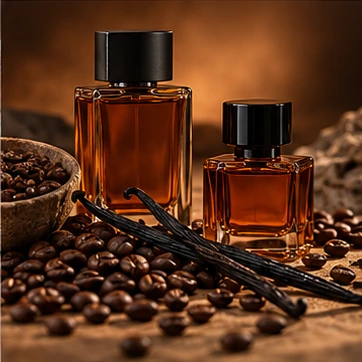
Coffee notes bring roast, bitterness and darkness; vanilla adds the creamy sweetness that makes the pairing feel more rounded. The combination becomes heavy quickly, so use the coffee fragrance as an accent if both perfumes are dense. A drier vanilla keeps the result more sophisticated than sugary.
7. Orange Blossom + Amber for warm floral brightness
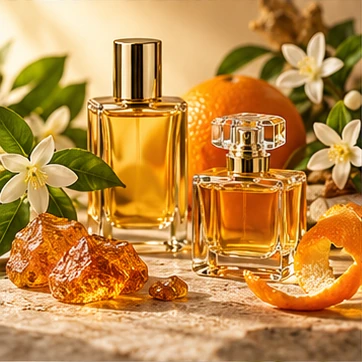
Orange blossom gives amber a floral lift without losing the warm mood. It can read fresh, honeyed or slightly green, so the exact result changes depending on the perfume. Use a lighter amber under a more radiant blossom scent for daytime, or reverse the balance at night for something richer.
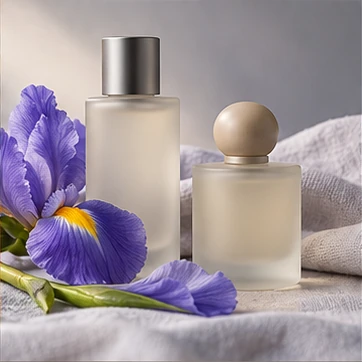
8. Clean Musk + Iris for a quiet powdery scent
Iris can feel powdery, cool, cosmetic or slightly woody. Layering it with a clean musk makes those textures softer and easier to wear. This pairing is strongest when neither fragrance is aggressively sweet, because the appeal comes from restraint and a smooth, fabric-like finish.
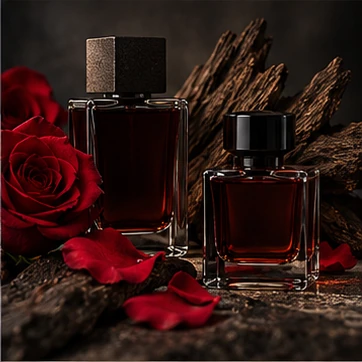
9. Oud + Rose for controlled drama
Oud and rose are a classic contrast because the dark woody depth of oud can frame the brightness of rose. The danger is using too much of both. Start with the softer fragrance, then add the stronger one in a smaller amount. If your oud is smoky or medicinal, a velvety rose usually creates the cleanest balance.
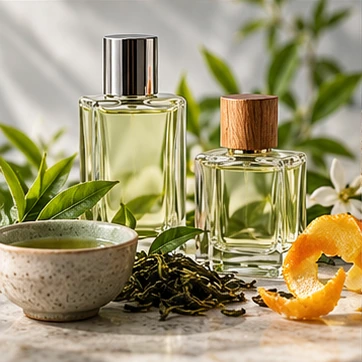
10. Tea + Citrus for a crisp, airy blend
Green tea, black tea and mate-style notes can all work with citrus. Citrus makes tea feel more sparkling, while tea gives citrus something to hold onto after the first bright minutes. This is one of the easiest combinations for warm weather because neither side has to be heavy.
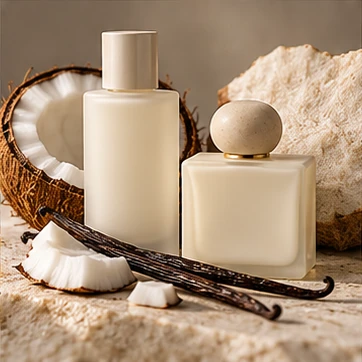
11. Coconut + Vanilla without the sunscreen effect
Coconut and vanilla can turn very sweet very quickly. To keep the combination more polished, choose a coconut fragrance with woods, salt or musk and pair it with a less sugary vanilla. Use the vanilla as a soft base rather than the dominant note, especially in warm weather.
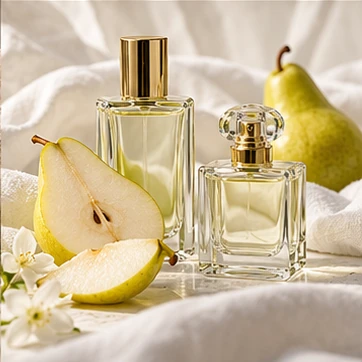
12. Pear + Musk for a bright skin scent
Pear gives musk a juicy, almost sparkling top note while the musk keeps the fruit from becoming candy-like. This combination suits people who like fruity perfumes but want the finish to stay clean. A sheer pear works better than a syrupy one if your musk already has sweetness.
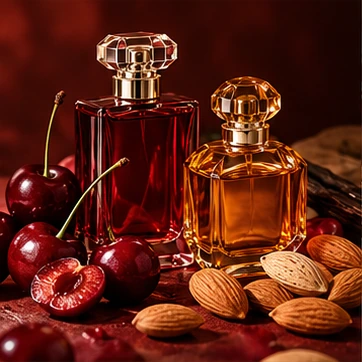
13. Cherry + Almond for a richer gourmand
Cherry and almond share a natural affinity because both can carry a slightly bitter, marzipan-like edge. Layering them creates a richer gourmand than vanilla alone. Keep one side dry or woody so the combination does not become thick and syrupy.
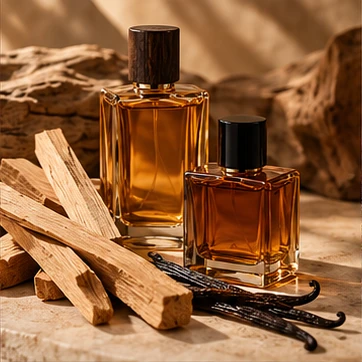
14. Sandalwood + Vanilla for smooth woody warmth
Sandalwood often feels creamy enough to meet vanilla halfway. Instead of creating sharp contrast, this pairing builds a smooth continuous base that can smell warm and expensive. Use a drier sandalwood to keep the vanilla from becoming dessert-like, or a soft milky sandalwood for maximum creaminess.
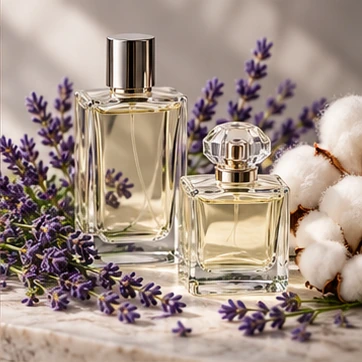
15. Lavender + White Musk for a clean aromatic layer
Lavender can feel herbal, aromatic or slightly sweet depending on the fragrance. White musk smooths the sharper herbal edges and makes the blend feel cleaner. This pairing works especially well when you want something calm and understated rather than obviously floral.
16. Patchouli + Rose for an earthier floral
Patchouli gives rose an earthy, shadowy base and can make a familiar floral feel more dramatic. Use a modern, cleaner patchouli if you want the rose to stay polished; a darker patchouli creates a more vintage effect. Start with less patchouli than rose because the earthy note can dominate quickly.
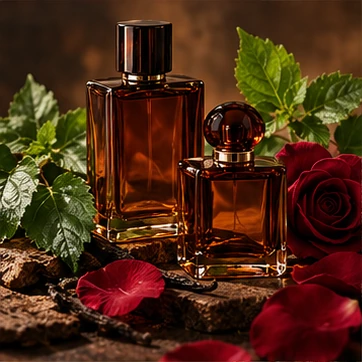
17. Incense + Vanilla for smoky sweetness
Incense adds smoke, resin and dryness to vanilla, which can make a sweet fragrance feel darker and more dimensional. Keep the incense layer small if it is very strong. The best balance still lets you recognize vanilla clearly after the smoky opening settles.
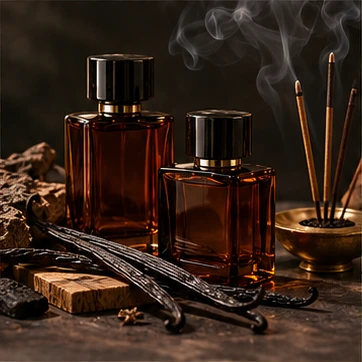
18. Neroli + Woods for a bright tailored scent
Neroli and orange-blossom-style notes can feel sparkling and green. Dry woods give them structure and make the result feel more tailored. Use the floral-citrus scent on top if you want brightness first, or let the wood dominate if you prefer a cleaner, more understated dry-down.
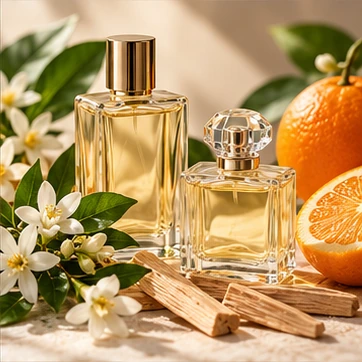
19. Build a three-layer signature scent only after two layers work
Once you have a two-fragrance pairing you genuinely like, add a third layer only to solve a specific problem. Citrus can brighten a heavy blend, musk can soften sharp edges, and woods can ground something too sweet. Keep the third fragrance to the smallest amount and test the combination for a full wear before deciding it works.
Frequently Asked Questions
What order should perfume layers go in?
There is no universal order, but a practical starting point is to apply the deeper or longer-lasting fragrance first and the brighter or more transparent fragrance second. You can also spray different pulse points instead of stacking both sprays in exactly the same place.
How many perfumes should you layer at once?
Start with two. Two fragrances make it easier to understand what is working. Add a third only after you already like the first pairing and know what you want the extra layer to change.
Can you mix perfumes together in the bottle?
It is better to layer finished perfumes when you wear them rather than combining products inside their original bottles. Mixing bottles can change the formula and makes it difficult to undo the experiment.
How do you stop layered perfume from becoming too strong?
Use fewer total sprays than you would use when wearing each fragrance separately. If the result feels heavy, reduce the denser woody, amber, oud or gourmand layer first.
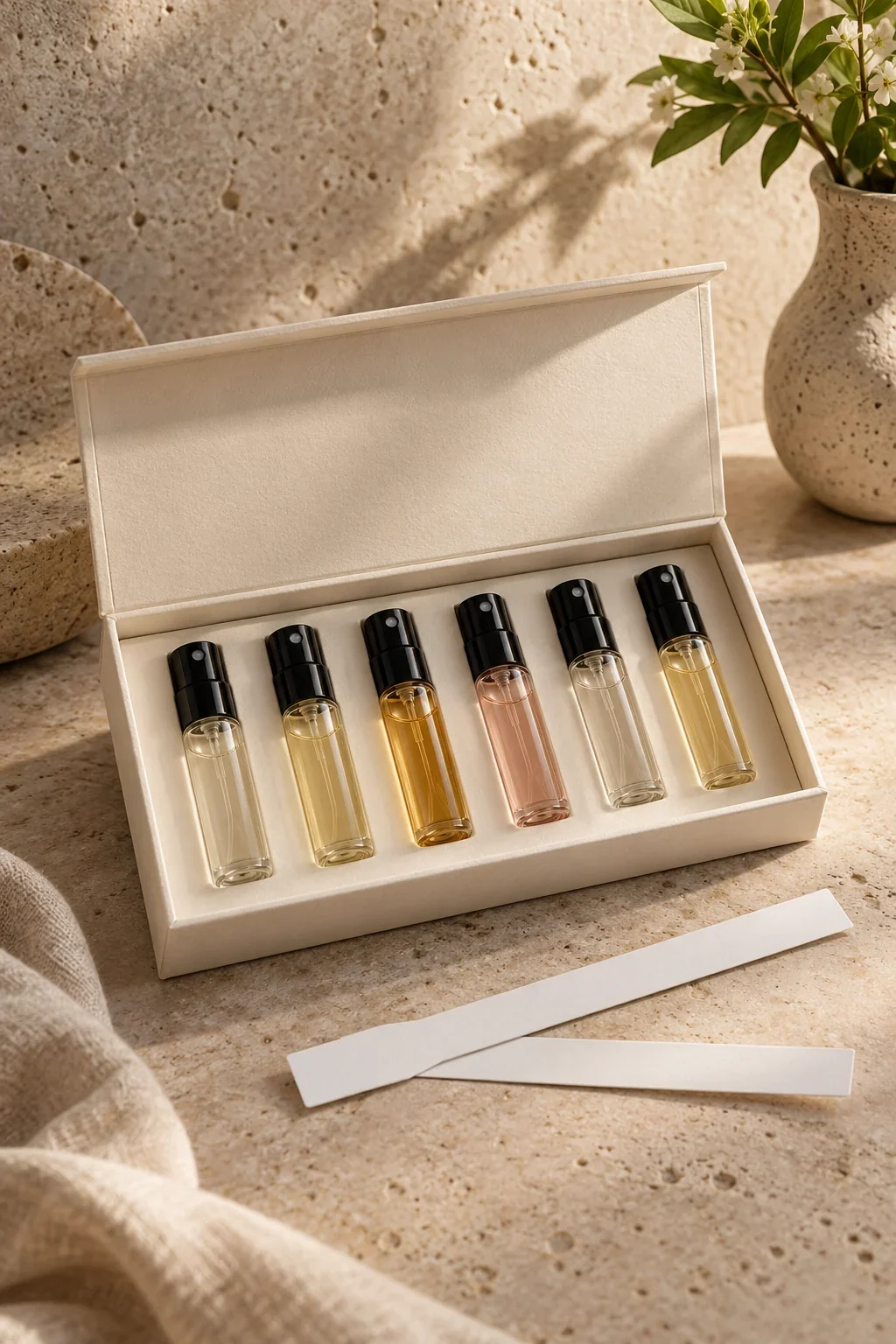 How to Choose a Perfume Discovery Set You Will Actually Use
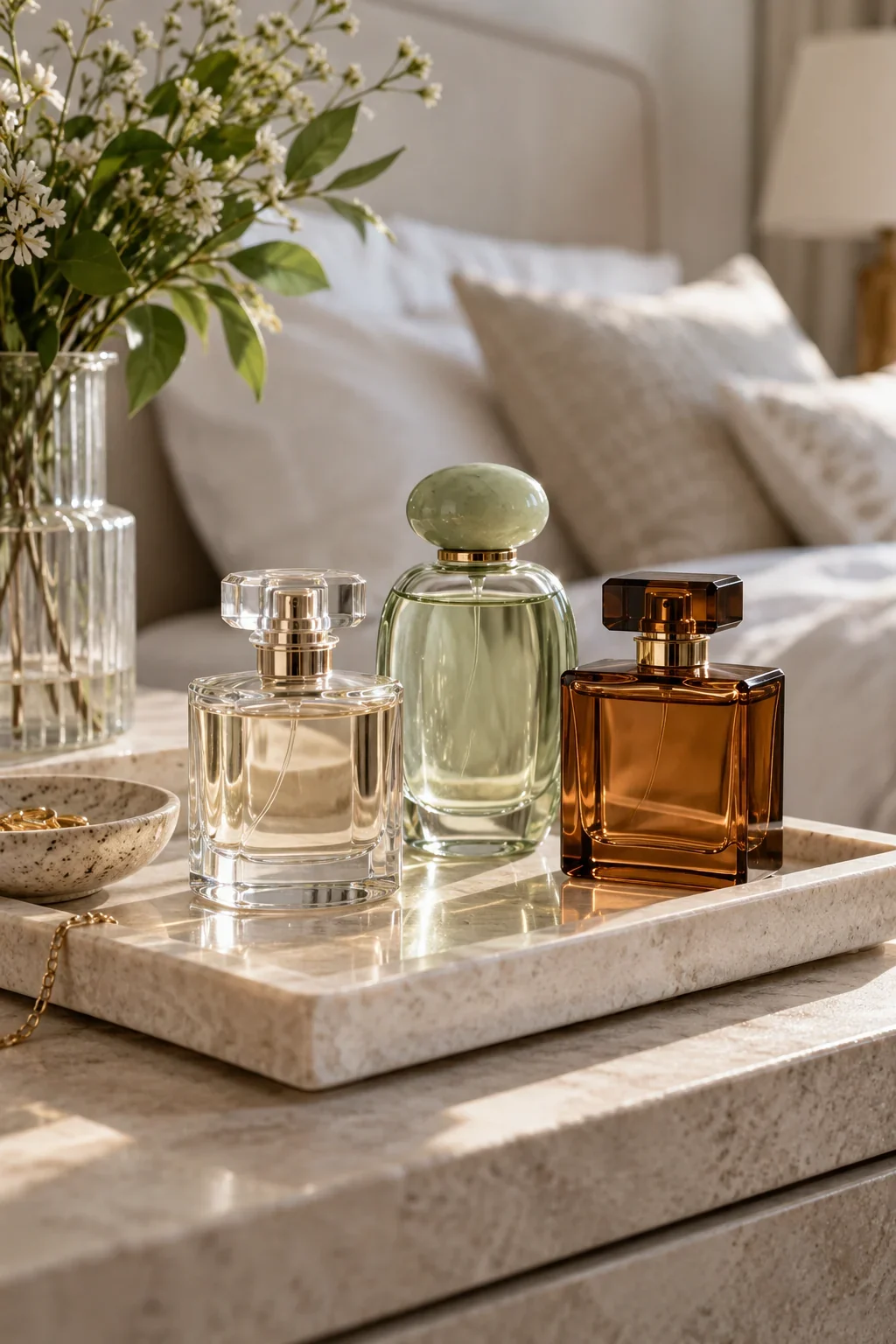 Build a Small Fragrance Wardrobe for Everyday, Work and Evening
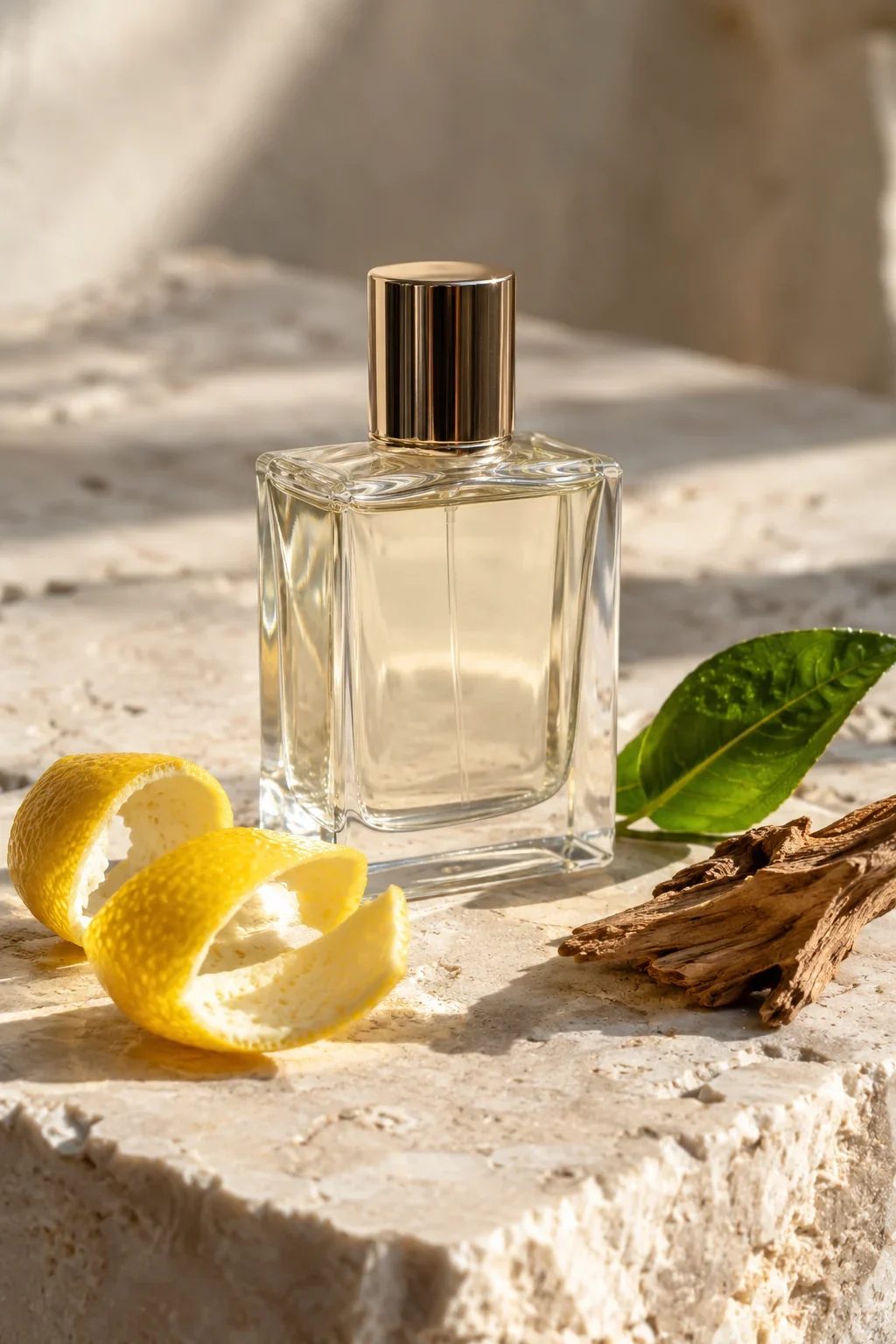 Fragrance Notes Explained: A Simple Perfume Testing Journal