 by Ecrin Labs
Botanical wallpaper can add color, pattern and visual depth without filling a room with extra objects. For fall, muted greens, ochre, brown, rust and cream pair especially well with warm wood, linen and soft lamp light.
These twelve ideas cover bedrooms, living rooms, entries, powder rooms, dining areas and small reading corners. The emphasis is on choosing the right print scale and contrast for the size and light level of the room.
Always test a large wallpaper sample in the actual space before ordering full rolls. Pattern repeat, wall color and evening lighting can change how dense or bright a print feels.
1. Soft botanical bedroom wall
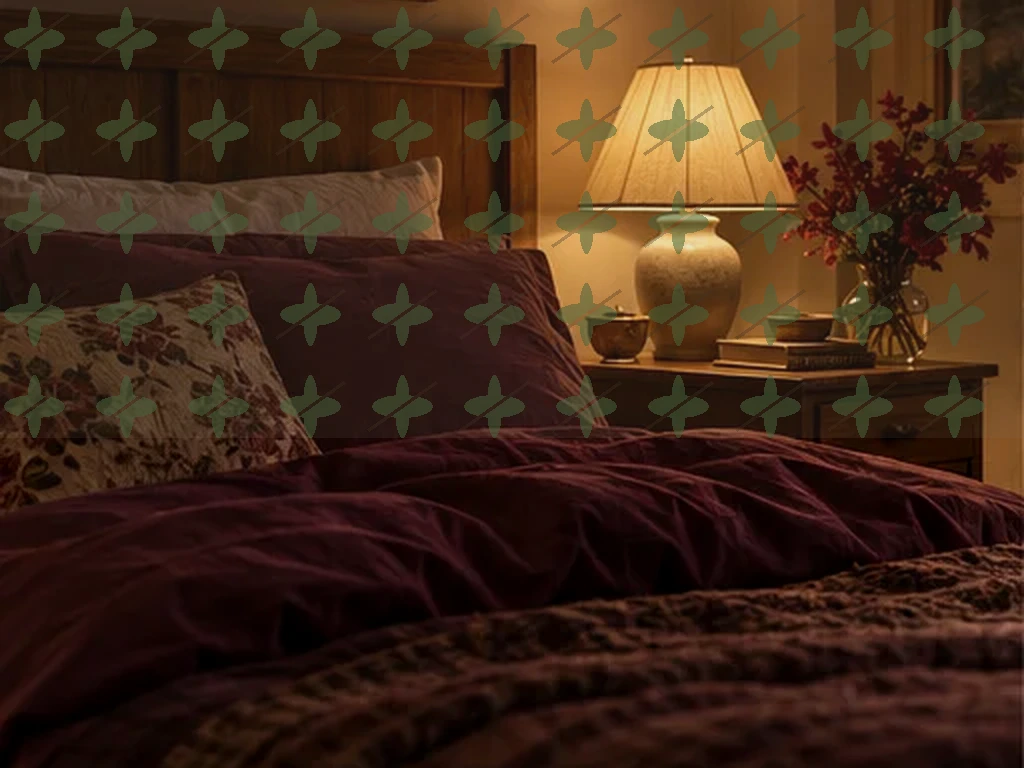
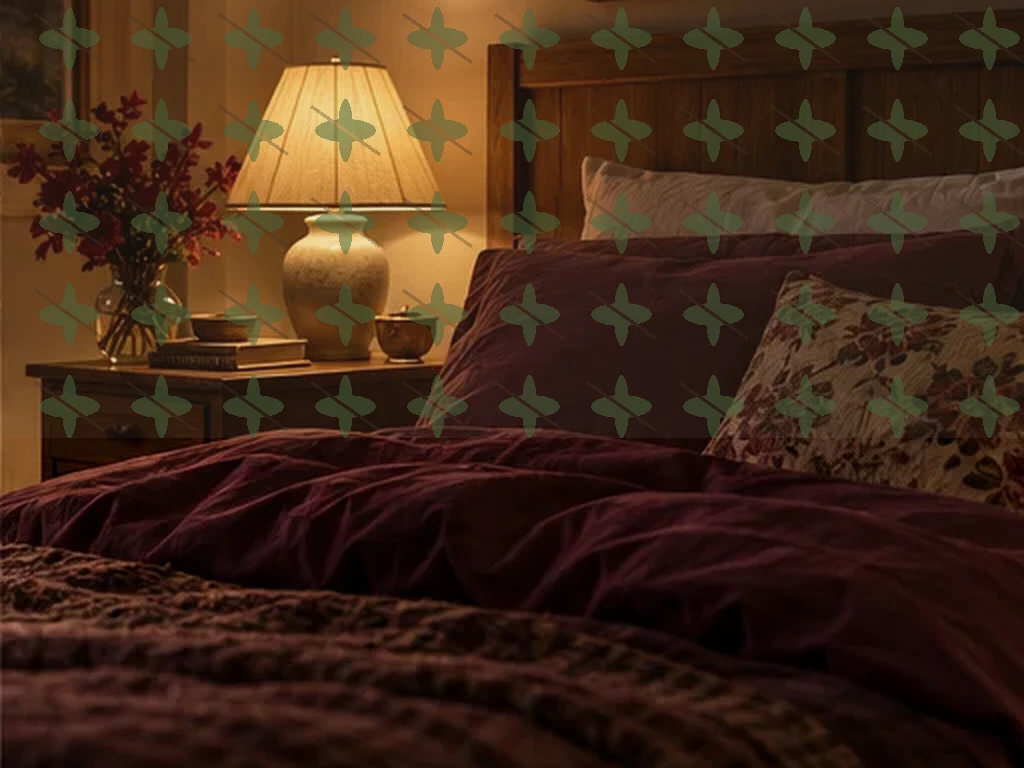
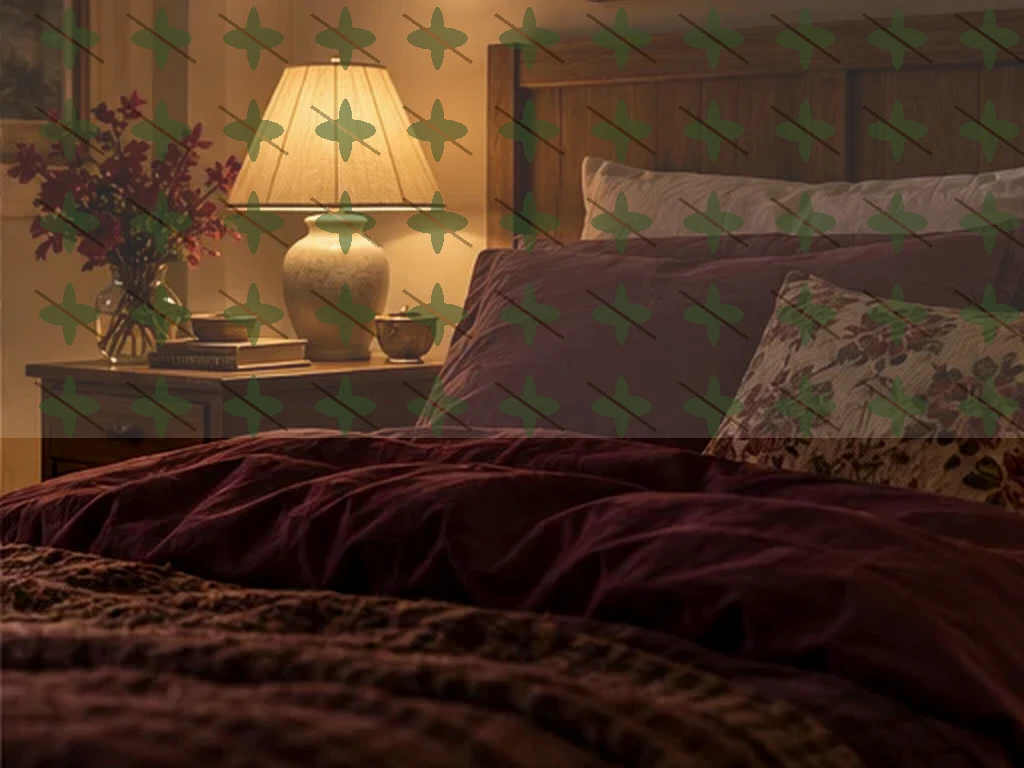
A low-contrast leaf or floral pattern behind the bed can add depth without making the room visually busy. Choose a print with enough open background space to keep the bedroom calm.
Pull one or two colors from the wallpaper into plain bedding and keep the headboard simple. This lets the pattern become the feature without competing layers.
2. Moody green living-room wallpaper
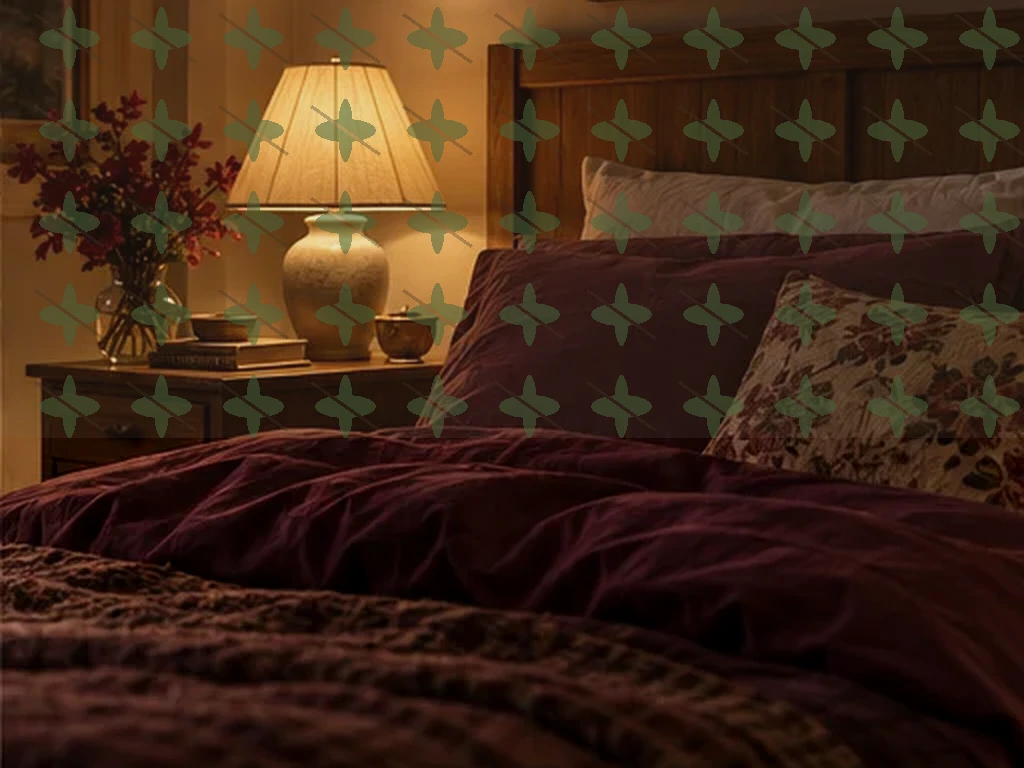
Deep green botanical wallpaper creates a cocooning fall mood, especially on a wall with good daylight. Cream upholstery and warm wood keep the room from becoming too dark.
Use larger-scale leaves in a bigger room and avoid adding several other dense patterns. A restrained rug or curtain gives the wall space to breathe.
3. Vintage floral dining nook
A vintage-inspired botanical print can make a small dining nook feel collected and intimate. Ochre, faded green and brown work especially well with wood tables and simple lighting.
Keep the furniture silhouette relatively clean so the wallpaper supplies the nostalgia. One warm pendant or wall sconce can reinforce the cozy mood.
4. Botanical powder room
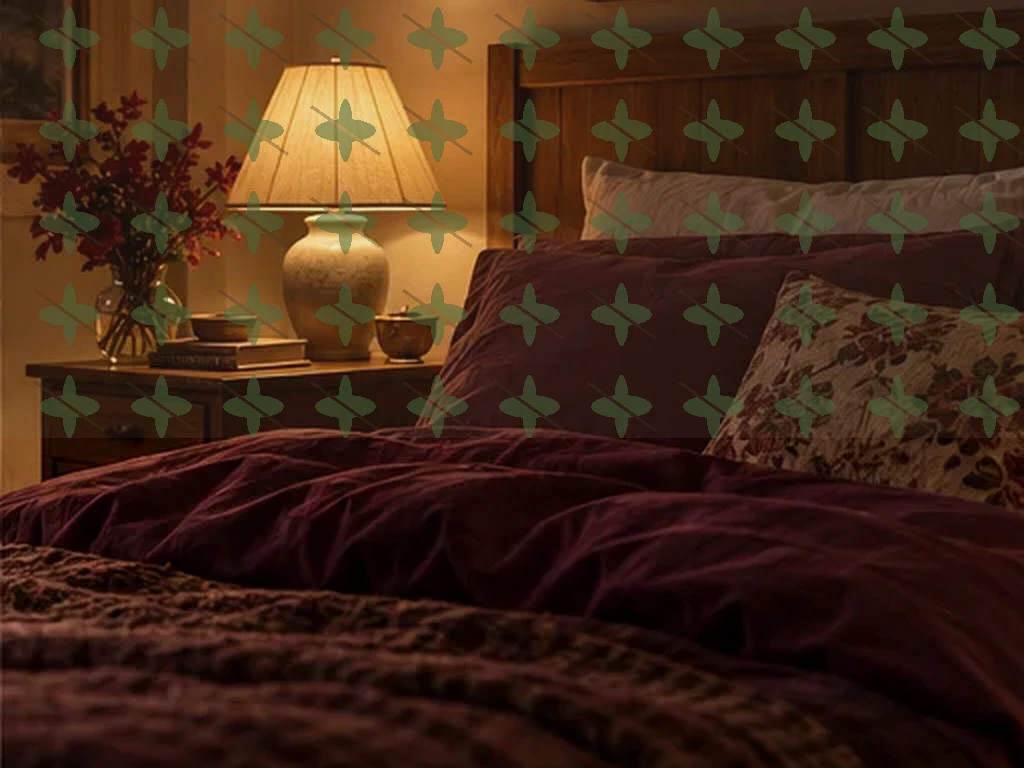
A powder room is a good place for a bolder botanical print because the space is small and used in short intervals. Large leaves or dramatic florals can create strong impact.
Choose materials suitable for the room conditions and make sure the pattern does not interfere with mirrors, fixtures or important wall details.
5. Entryway botanical statement wall
Wallpaper in an entry can create a memorable first impression without committing an entire living area to pattern. It works especially well behind a console or bench.
Use a print that connects to colors visible in the next room. That small repetition helps the entry feel part of the home rather than a separate theme.
6. Botanical reading nook
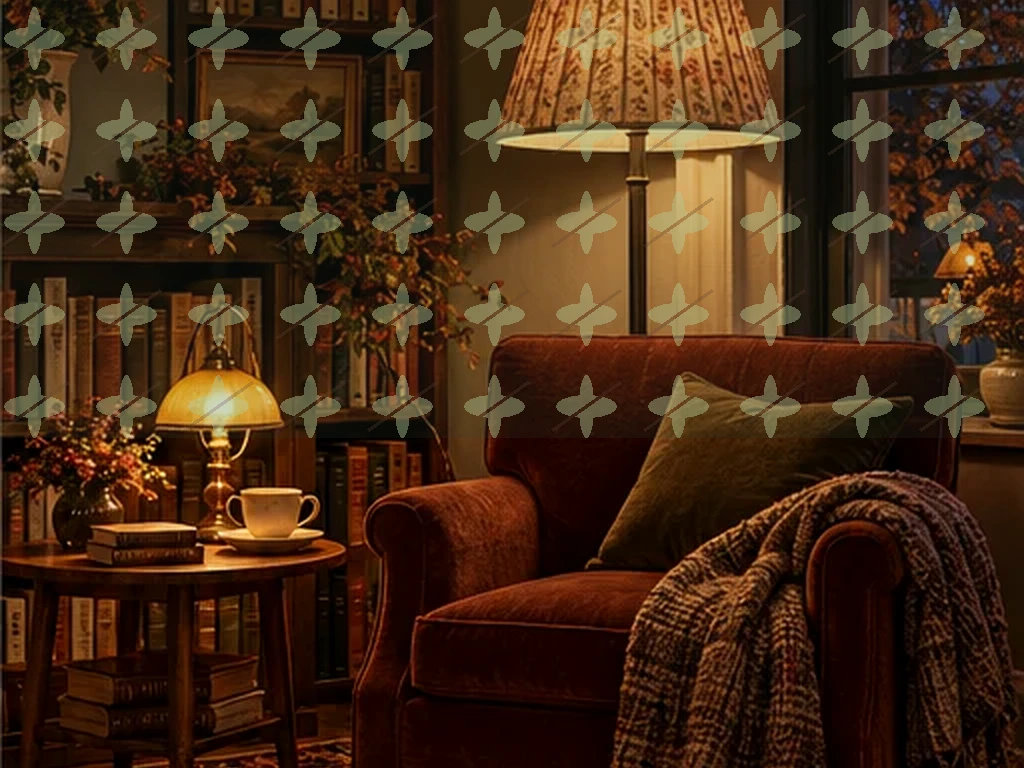
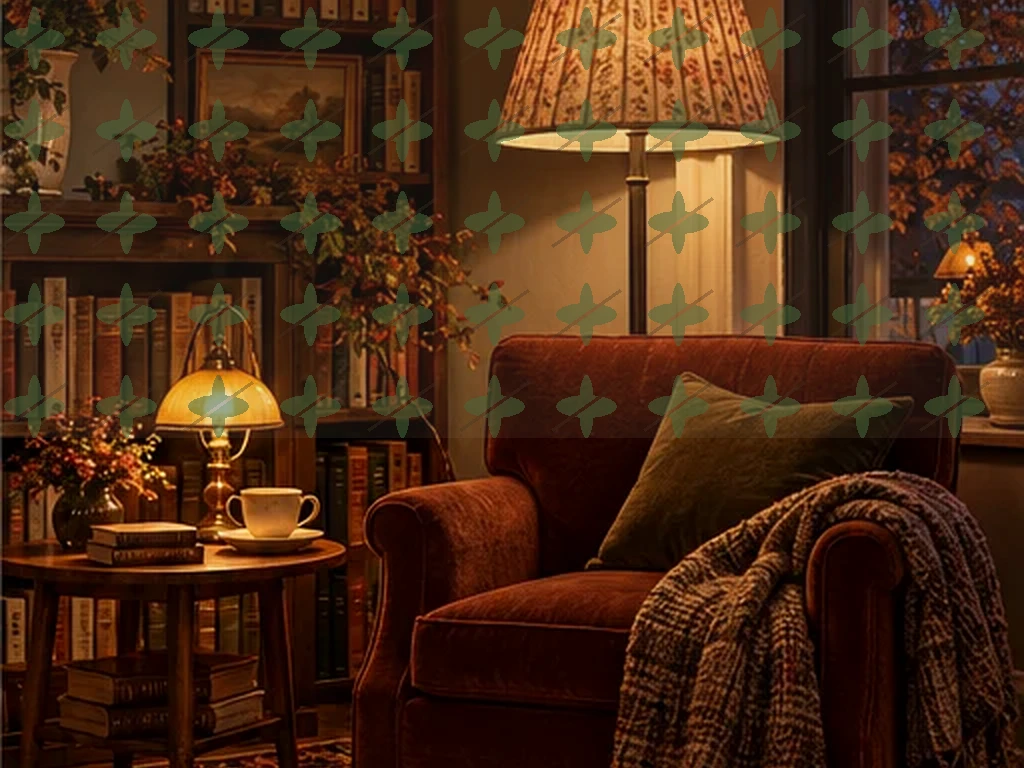
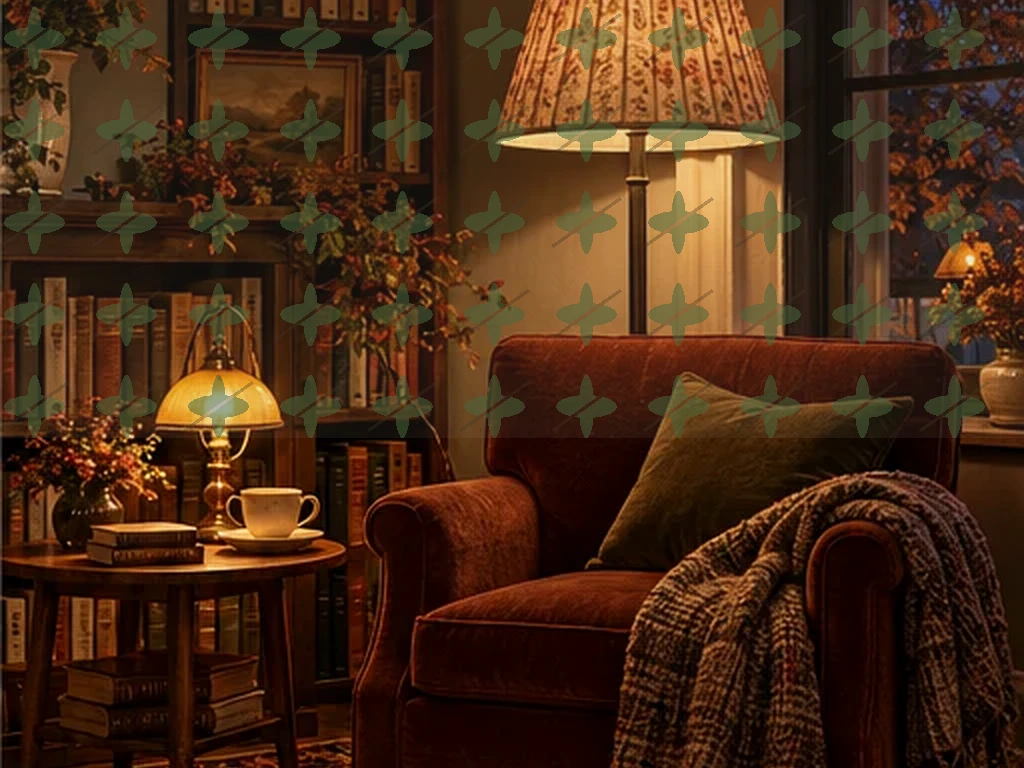
A compact reading corner can handle a richer botanical backdrop because the wallpaper frames a specific activity zone. Add a comfortable chair and warm directional light.
Keep the surrounding accessories simple and tactile—wool, linen, wood and a small side table. The pattern should create atmosphere without making the nook cluttered.
7. Light botanical wallpaper for small rooms
Pale backgrounds with soft green or taupe leaves can add interest to a small room without visually closing it in. Lower contrast usually feels calmer.
Pair the wallpaper with furniture close to the background color so the eye moves through the room smoothly. Dark accents can be limited to a few deliberate pieces.
8. Dark botanical wallpaper with light furniture
A charcoal, brown or deep-green botanical wall looks strongest when balanced by light upholstery and pale textiles. The contrast keeps the room dramatic but readable.
Repeat one dark tone in a small lamp, frame or table leg so the wall feels connected to the furnishings rather than isolated.
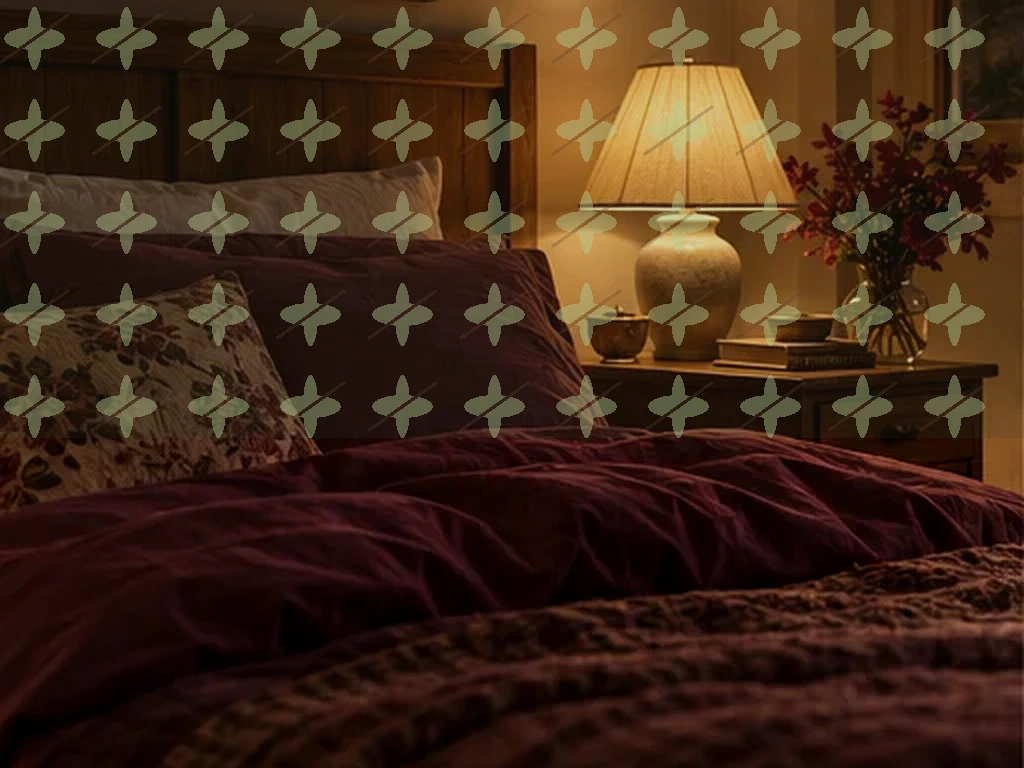
9. Botanical mural wall
A mural-style botanical design creates a larger scene rather than a repeating pattern. It can make one wall feel more like artwork and reduce the need for extra framed pieces.
Measure the wall carefully and plan where key leaves or flowers will fall relative to furniture. The composition matters more with murals than with small repeats.
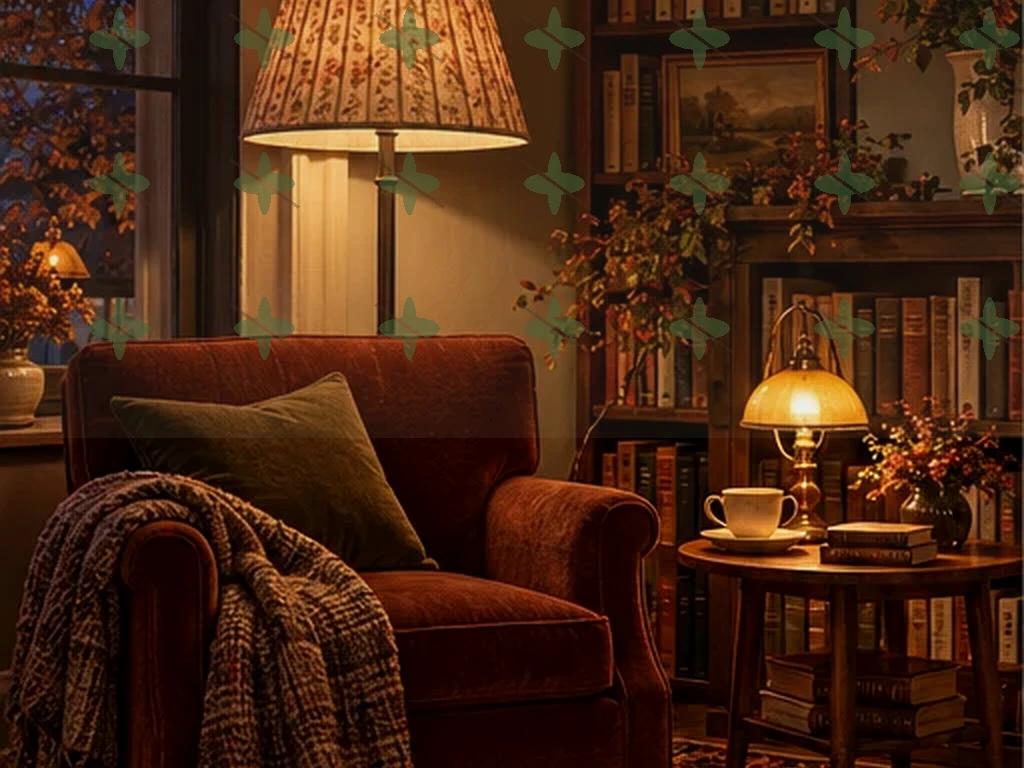
10. Half-wall botanical wallpaper
Wallpaper above wainscoting or a painted lower wall gives pattern a clear boundary and can make traditional rooms feel more intentional.
Choose a lower-wall color that appears somewhere in the print. The repeated tone makes the two surfaces feel designed together instead of split at random.
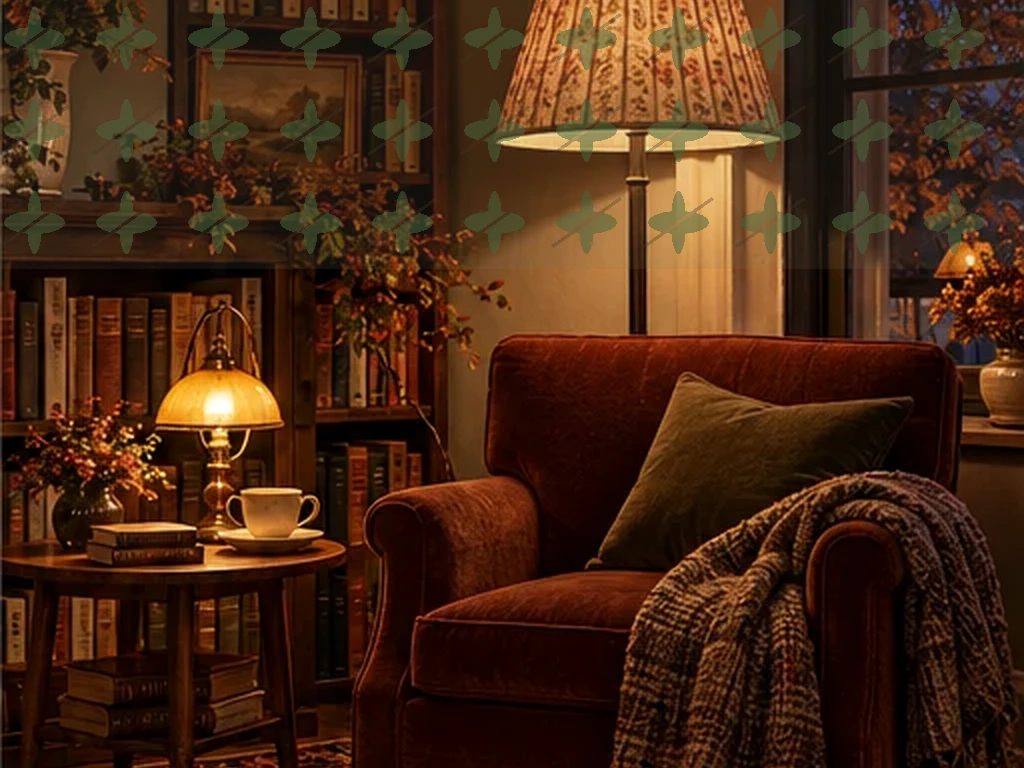
11. Framed botanical wallpaper panels
Framing sections of wallpaper like oversized art provides pattern with less commitment. It is useful for renters or anyone who likes to change rooms frequently.
Use identical frames for a formal look or one large panel for a cleaner modern result. Make sure the selected section of print has a balanced composition.
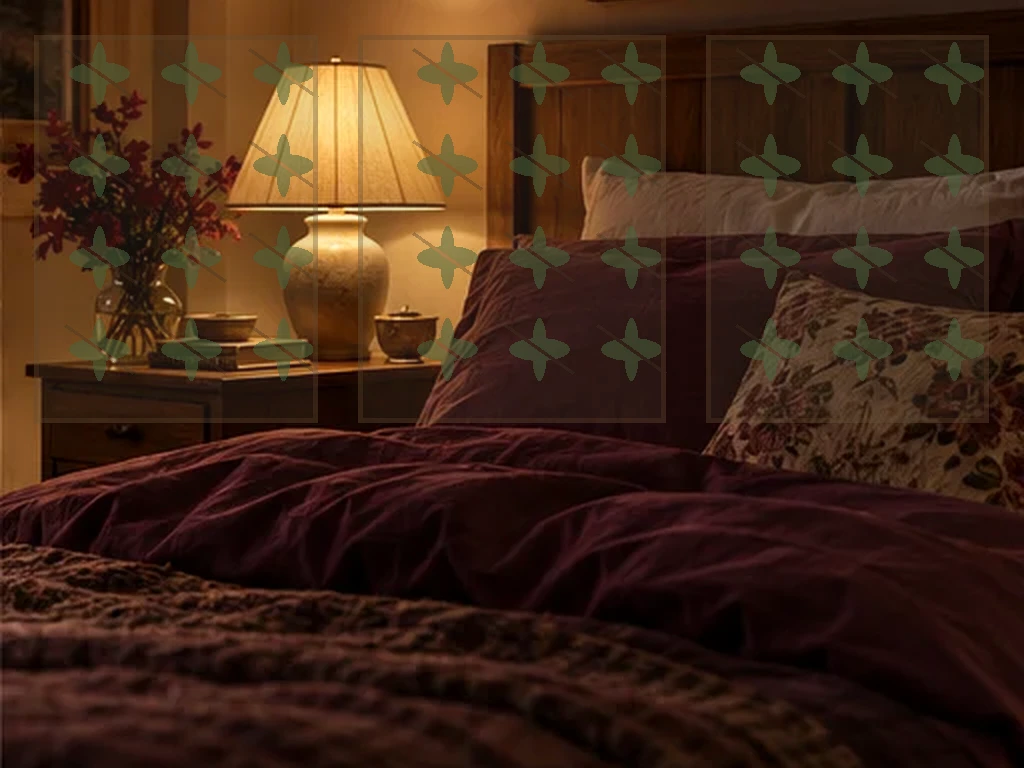
12. Removable botanical wallpaper accent
Peel-and-stick or removable wallpaper can create a seasonal or renter-friendly update when the wall surface and product are compatible.
Order a sample first and follow the manufacturer's surface-preparation instructions. A small entry, desk wall or reading nook is a practical place to test the idea.
Frequently Asked Questions
Should botanical wallpaper cover every wall?
Not necessarily. A feature wall, half wall, mural or framed panel can add enough pattern without covering the entire room.
How do I choose wallpaper scale?
Test a large sample in the room. Larger rooms can often handle larger motifs, while low-contrast prints are usually easier in compact spaces.
What colors work with botanical wallpaper?
Warm wood, cream, linen, muted green, ochre, brown and brass are easy companions for fall botanical palettes.
Can renters use botanical wallpaper?
Removable wallpaper or framed wallpaper panels can be lower-commitment options, but always check the wall surface and product instructions first.
 12 Moss Green and Chocolate Brown Living Room Ideas
 Warm Lighting Ideas for a Cozy Burrowcore Home
 Trinket Shelf Ideas for Small Collections